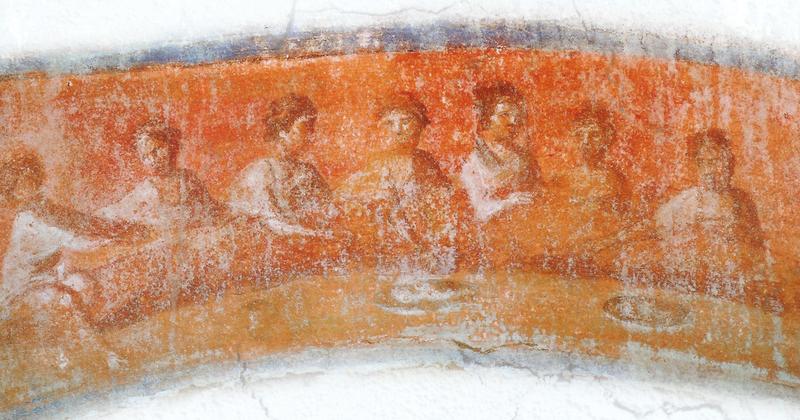
The Apologist Who Believed Too Much
A sophomore apologetics assignment on Justin Martyr's First Apology cost me the church I was raised in. What chapter 66 says about the Eucharist.
· 39 min read
Augustine, Jerome, Chrysostom, Irenaeus, and the others who worked out Christian doctrine in the first centuries — read closely, in what they actually wrote.
114 articles in this topic
A sophomore apologetics assignment on Justin Martyr's First Apology cost me the church I was raised in. What chapter 66 says about the Eucharist.

A Catholic exegesis of Matthew 13:44–52: the hidden treasure, the pearl of great price, the dragnet, and the scribe who brings out the new and the old.

The Didache may be older than the last books of the New Testament, yet no Bible ever carried it. What the earliest church order says, and why it was left out.

Quoted as Scripture in Alexandria and bound into Codex Sinaiticus, the Epistle of Barnabas bore an apostle's name—yet the New Testament closed without it. Why.

1 Clement was read as Scripture at Corinth and bound into Codex Alexandrinus. How the letter came so close to the New Testament, and why the Church left it out.
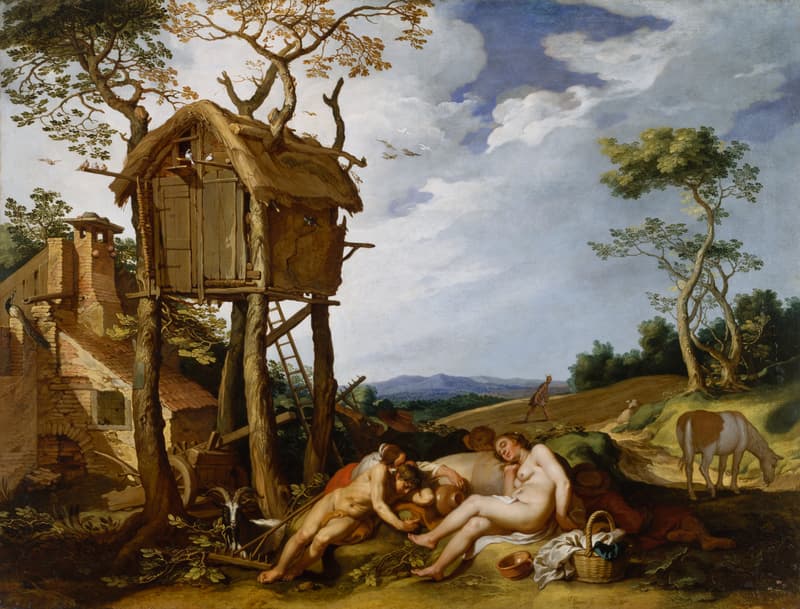
A Catholic exegesis of Matthew 13:24–43: the parables of the weeds, mustard seed, and leaven, the Psalm 78 citation, and Augustine’s corpus permixtum.

Caius, or Gaius, the twenty-eighth pope (283–296), governed in the long peace before Diocletian's storm—a confessor, not a martyr, whose gravestone survives.

Eusebius, the thirty-first pope (309 or 310), reigned four months before the emperor Maxentius exiled him—and his rival Heraclius—over the fate of the lapsed.

Eutychian, the twenty-seventh pope (275–283): a reign Eusebius counts in months and Rome in years, legends of beans and buried martyrs, and one true stone.

The First Letter of John gives us “God is love,” the antichrists, and the Bible’s most famous fake verse. A Catholic reads 1 John and its road into the canon.

The Letter to Philemon: Paul, the runaway slave Onesimus, and 'no longer a slave but a brother.' A Catholic look at slavery, Paul's shortest letter, and canon.

Callixtus I is the sixteenth pope (c. 217–222): a former slave, convict, and cemetery administrator whose policy of readmitting grave sinners after penance scandalized the rigorists—and won.

Cornelius, the twenty-first pope (251–253), faced the rigorist antipope Novatian—and staked the Church's authority on its power to forgive the lapsed after penance.

Dionysius, the twenty-fifth pope (259–268): the first pope not venerated as a martyr, who rebuilt Rome after persecution and defined the Trinity before Nicaea.

Eleutherius is the thirteenth pope (c. 175–189)—the deacon who became pope, correspondent of the martyrs of Lyons, and the pope a medieval legend made converter of Britain.

Fabian is the twentieth pope (236–250): a layman chosen when a dove settled on his head, the organizer of Christian Rome, and the first pope whose martyrdom is documented history.

Felix I is the twenty-sixth pope (269–274): a martyr's crown he never earned and a famous letter on Christ he never wrote—both forgeries over one solid fact.

Lucius I is the twenty-second pope (253–254): an eight-month reign spent partly in exile, and a confessor the oldest Roman calendar declines to call a martyr.

Pontian is the eighteenth pope (230–235): the first pope to abdicate, exiled with Hippolytus to the mines of Sardinia—where pope and antipope were reconciled.

Sixtus II, the twenty-fourth pope (257–258): the peacemaker who healed the rebaptism schism, then died under Valerian's sword—a martyrdom Rome wrote down.

Soter is the twelfth pope (c. 166–175), known almost entirely through a letter from Corinth praising Roman charity. His own letter was read at Sunday worship—then lost.

Stephen I is the twenty-third pope (254–257): the rebaptism war with Cyprian, the first surviving papal appeal to the succession of Peter, and a martyrdom the earliest records do not support.

Urban I is the seventeenth pope (c. 222–230). Almost nothing certain is known of his reign—the vivid life is legend—and even his grave is disputed between two catacombs.

Victor I is the fourteenth pope (c. 189–199)—the African who threatened to cut off the churches of Asia over Easter, cut off Theodotus the cobbler for heresy, and marks the papacy's turn to command.

Zephyrinus is the fifteenth pope (c. 199–217), known chiefly through the hostile pen of Hippolytus. His clumsy formulas on the Trinity ended up in Denzinger's collection of the Church's dogmatic declarations.

1 Timothy built the Church's offices — bishops, deacons, the pillar of truth. A Catholic look at church order, the authorship debate, and its road to canon.

2 Timothy is Paul's farewell: 'all Scripture is inspired,' guard the deposit, the good fight. A Catholic look at inspiration, authorship, and the road to canon.

The Letter to Titus: church order on Crete, 'our great God and savior,' the bath of rebirth. A Catholic look at grace, authorship, and its road to canon.

2 Thessalonians warns against a forged letter — and is itself one of Paul's disputed letters. A Catholic look at the man of lawlessness and the restrainer.

Paul never saw Colossae and an earthquake soon wrecked it—yet its letter was never doubted, and it spawned a forged 'Laodiceans' that haunted the Bible for centuries.

Ephesians was never doubted—yet its address may be a blank, Marcion called it 'Laodiceans,' and modern critics doubt Paul. A Catholic reads its road through the canon.

Philippians was never doubted—yet Polycarp spoke of 'letters,' critics cut it in three, and its hymn built Christology. A Catholic reads its road through the canon.

A Catholic on 1 Corinthians — the quarrelsome church whose letter preserves the oldest creed and the earliest Eucharist in the New Testament, and its road into the canon.

A Catholic on 2 Corinthians — Paul's most personal letter, its power-in-weakness gospel, and the integrity debate behind a book the Church never doubted.

Galatians was never doubted—yet Marcion put it first, the church fought over it, and Luther called it his own. A Catholic reads its road through the canon.

The Third Letter of John is the shortest book in the Bible, never names Jesus, and records a real first-century church quarrel over hospitality. A Catholic reads Gaius, Diotrephes, and its long road into the canon.

A presbyter in Asia forged the Acts of Paul 'out of love for Paul'—and was deposed for it. How the book gave the Church Thecla, the baptized lion, and 3 Corinthians, and why it was still left out of the canon.

John's is the highest Christology in the New Testament — the Gospel the Gnostics loved and a few of the orthodox feared. A Catholic examines its authorship, the Alogi, and its path to the canon.

1 Thessalonians is most likely the oldest surviving Christian writing. A Catholic examines its date, the parousia, the misread “rapture,” and its path into the New Testament canon.

Luke's second volume tells how the Church went from an upper room in Jerusalem to the heart of Rome. A Catholic examines the authorship, the 'we' passages, the historicity debates, and the path of Acts to the canon.

A Catholic reading of Revelation: who wrote it and when, why the Christian East nearly rejected it, and the four ways Christians have read its visions.

Luke, the Gentile physician and companion of Paul, wrote the longest Gospel — and the one Marcion tried to hijack. A Catholic examines its authorship, sources, theology, and path to the canon.

A Catholic on the Book of Romans — the one letter no critic could deny, the most tangled text in the New Testament, and why it stands first among Paul's letters.

The Gospel of the Hebrews survives only in scraps quoted by the Fathers — the risen Christ appearing to James, the Holy Spirit called his mother. A Catholic reads the fragments and asks why it never entered the New Testament.

The First Letter of Peter is the one catholic epistle the early Church never doubted. A Catholic reads its author, its ‘Babylon,’ its theology of suffering, and the riddle of the spirits in prison.

The Second Letter of John runs thirteen verses, signs itself only ‘the Presbyter,’ and tells a church to shut its door on false teachers. A Catholic reads its author, its ‘chosen Lady,’ and its long road into the canon.

The earliest Christian tour of heaven and hell was nearly canonized — read in church, defended by Clement of Alexandria. Why the Apocalypse of Peter was left out.

Jude runs twenty-five verses, quotes two books outside the canon, and nearly did not make the cut. A Catholic reads its authorship, its apocrypha, and its road to Scripture.

The one New Testament book a Reformer tried to demote. A Catholic on the Epistle of James—its disputed road to the canon, its authorship, and the faith-versus-works fight.

The shortest Gospel was tied to Peter from the earliest testimony, yet read least in antiquity. A Catholic examines Mark's authorship, abrupt ending, and path to the canon.

A Catholic account of Saint Matthias, chosen by lot to replace Judas — the first act of apostolic succession and the last casting of lots in Scripture.

A scholarly Catholic account of Judas Iscariot — what his name means, why the Gospels give him two different deaths, what the Church actually teaches about his damnation, and whether he received the Eucharist.

A Catholic account of Saint James the Less—apostle son of Alphaeus, possible brother of the Lord and bishop of Jerusalem, and the brothers of Jesus.

Nestorianism split Christ into two persons and refused to call Mary Theotokos. Here is what Nestorius actually taught, how Ephesus answered, and why the 'Nestorian Church' is misnamed.

A scholarly Catholic account of Saint Simon the Zealot: what “Cananean” means, why the “Zealot party” label is anachronistic, and why his death is unknown.
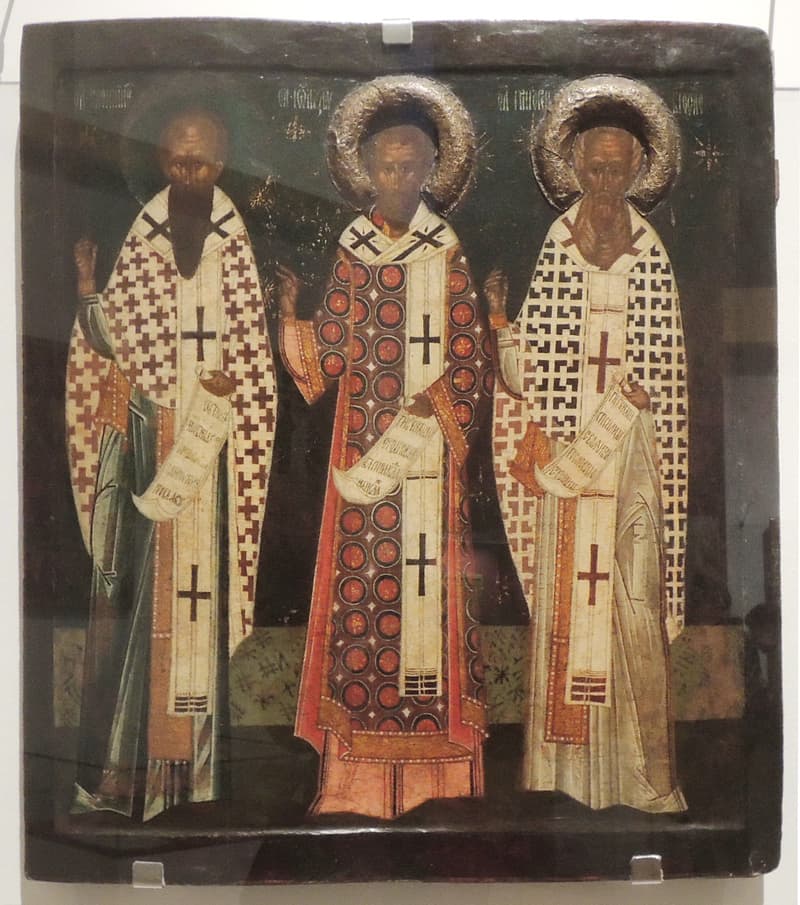
Eunomianism, the radical Arianism of Aëtius and Eunomius, claimed God’s essence could be fully known—and was condemned at Constantinople in 381.
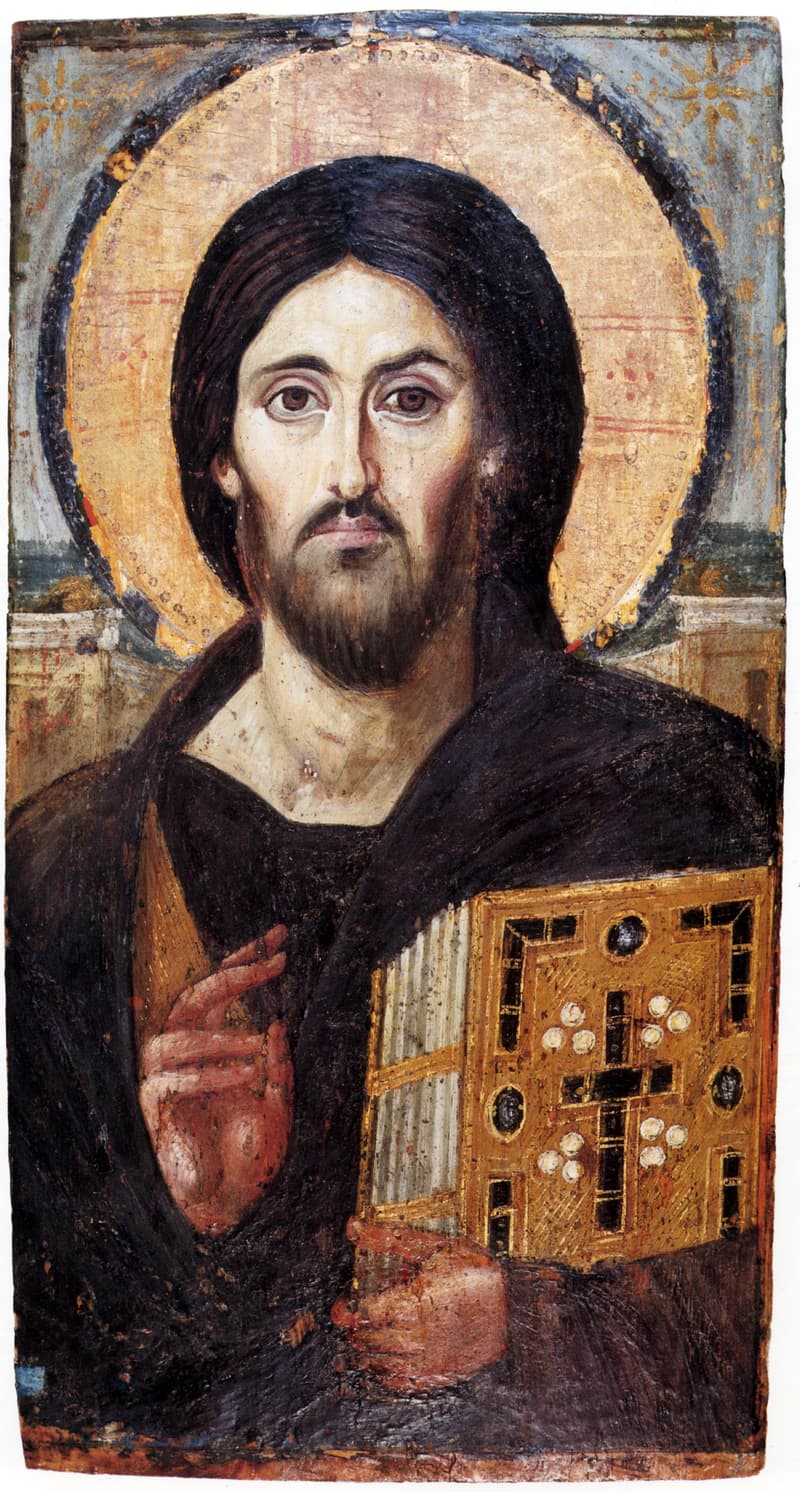
Marcellus of Ancyra fought Arianism so hard he fell into the opposite error—a Trinity that expands and contracts. The Creed's 'no end' clause answers him.
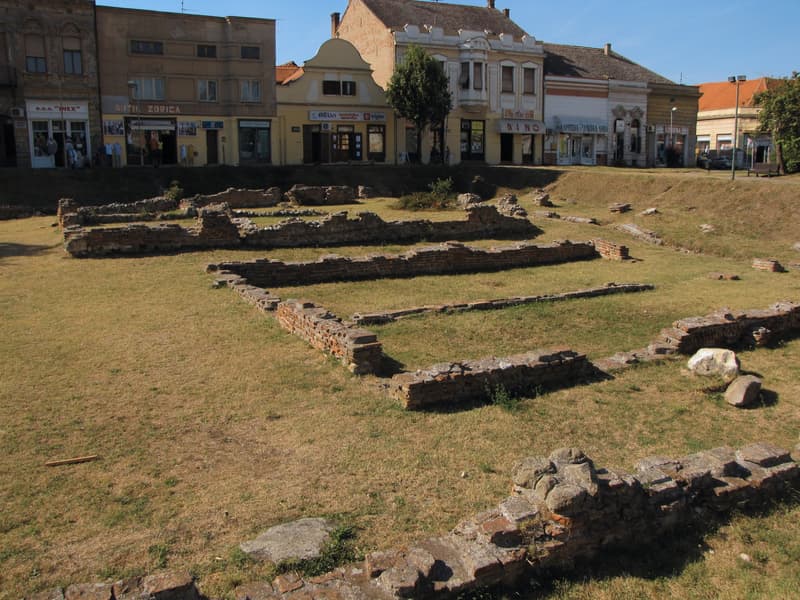
Photinus of Sirmium taught that Christ was a mere man, exalted but not preexistent. His name became the early Church's shorthand for denying the Incarnation.
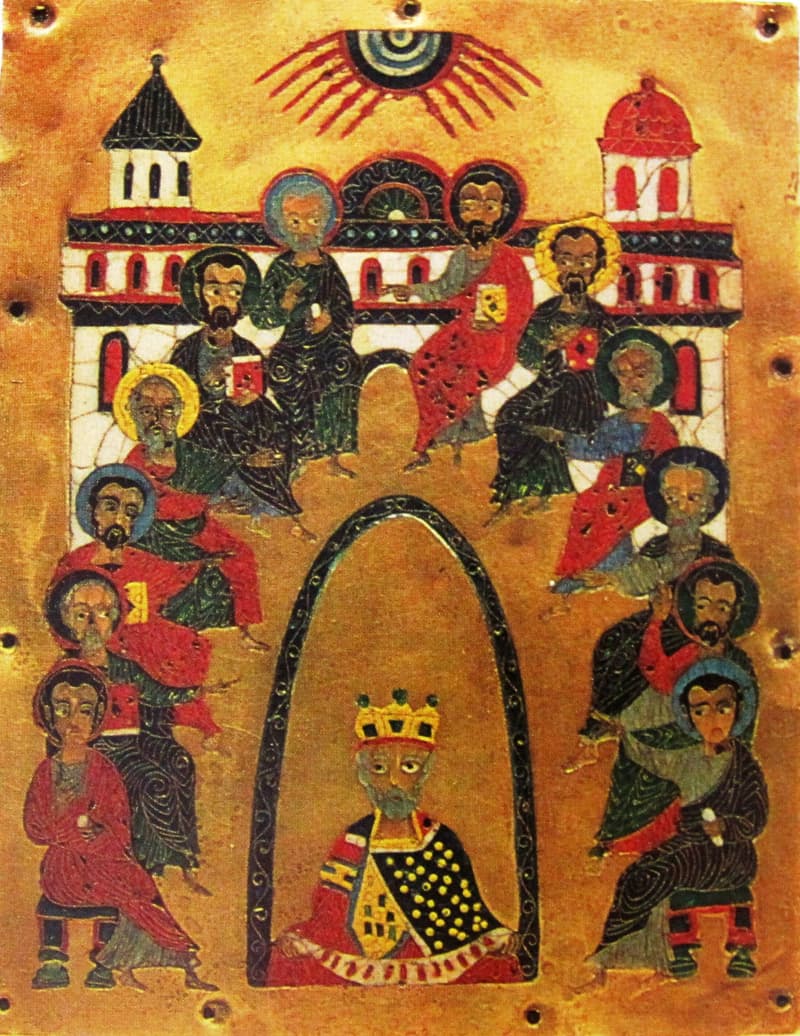
The Pneumatomachians ('Spirit-fighters') denied the Holy Spirit's divinity. Their challenge produced the third article of the Creed at Constantinople in 381.

A scholarly Catholic account of Saint Jude Thaddaeus—the apostle of three names, the Epistle of Jude, the mission legends, and the patron of hopeless causes.

A scholarly Catholic account of Saint Matthew the Apostle: the call at the Capernaum customs post, the Matthew/Levi question, and his contested death.

Anicetus is the eleventh pope (c. 155–166), who received Polycarp of Smyrna and let the Easter-date dispute stand in peace. The martyr title has no early source.

Pius I was the tenth pope (c. 140–154), brother to Hermas of The Shepherd and the bishop under whom Rome expelled Marcion. No early source calls him a martyr.

Hyginus, the ninth pope (c. 138–142), reigned as Valentinus and Cerdo brought Gnosticism to Rome. The martyr title attached to his name has no early source.

2 Samuel 21:19 in Hebrew credits Elhanan, not David, with killing Goliath. The Catholic tradition has long-standing tools for the textual problem.

1 Samuel 13:8–14 explained: why Saul was rejected, what ‘a man after God’s own heart’ means, why the army was scattering, and how this relates to 1 Samuel 15.
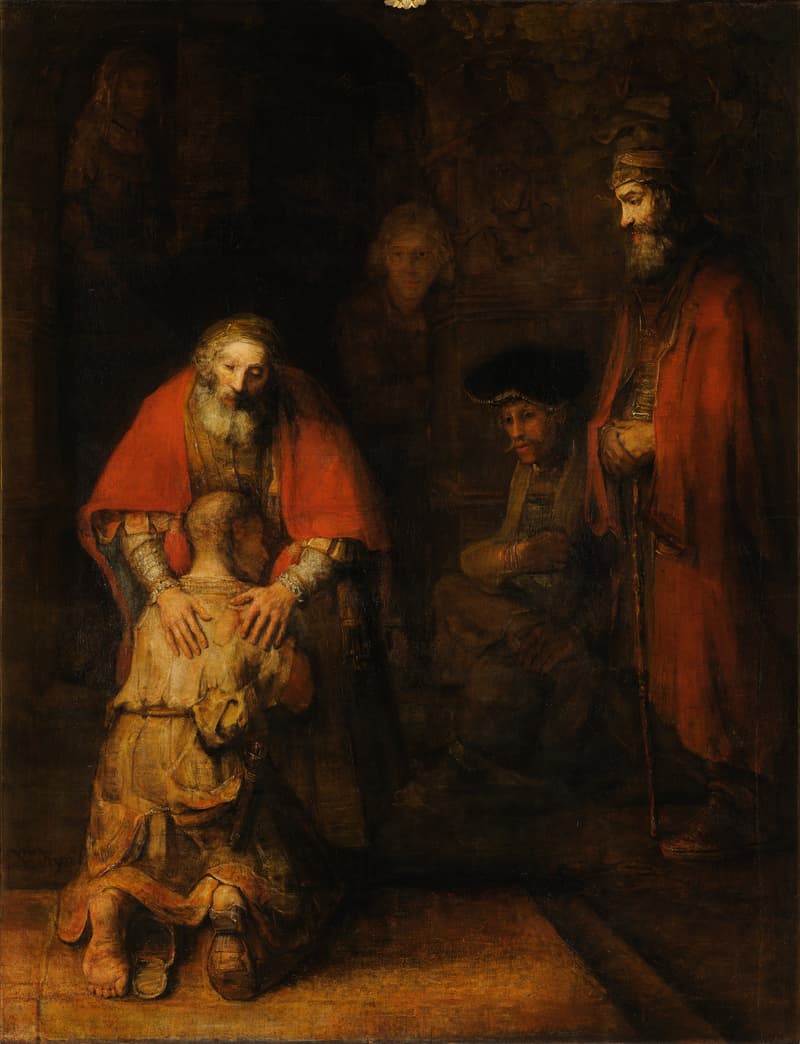
A scholarly Catholic history of the sacrament of reconciliation: its biblical, patristic, medieval, and Reformation roots, for curious Protestant readers.

A scholarly Catholic account of Saint Bartholomew the Apostle — the Nathanael identification, the Eusebius–Pantaenus trace to India, the Armenian Apostolic tradition, and the witness of Catholic liturgy.

A scholarly Catholic account of Saint Philip the Apostle—his four Johannine scenes, the Two Philips problem at Hierapolis, and the witness of Catholic liturgy.

The Eve–Mary parallel begins with Justin Martyr around 155, deepens in Irenaeus and Tertullian, runs through every century of the Christian tradition, and was retrieved at Vatican II. A reference-length essay on the typology, its primary sources, and what it does and does not commit a reader to.

Telesphorus is the eighth pope and the first after Peter whose martyrdom rests on a primary source. The Christmas Mass and seven-week Lent later credited to him are another matter.

A scholarly account of Saint James the Greater: son of Zebedee, Boanerges, the first apostle martyred, and the twelve-century Compostela tradition.

A scholarly account of Saint Thomas the Apostle: the Johannine doubt scenes, the confession of Christ's divinity, and the Mar Thoma tradition of India.

A scholarly account of Saint John the Apostle: the New Testament evidence, the Ephesus mission, his care for Mary, the Patmos exile, and why he alone did not die a martyr.

Sixtus I is the seventh pope—the sixth name on Irenaeus's list. Tradition gave him the Sanctus and a martyr's death; the earliest sources are far more reticent.
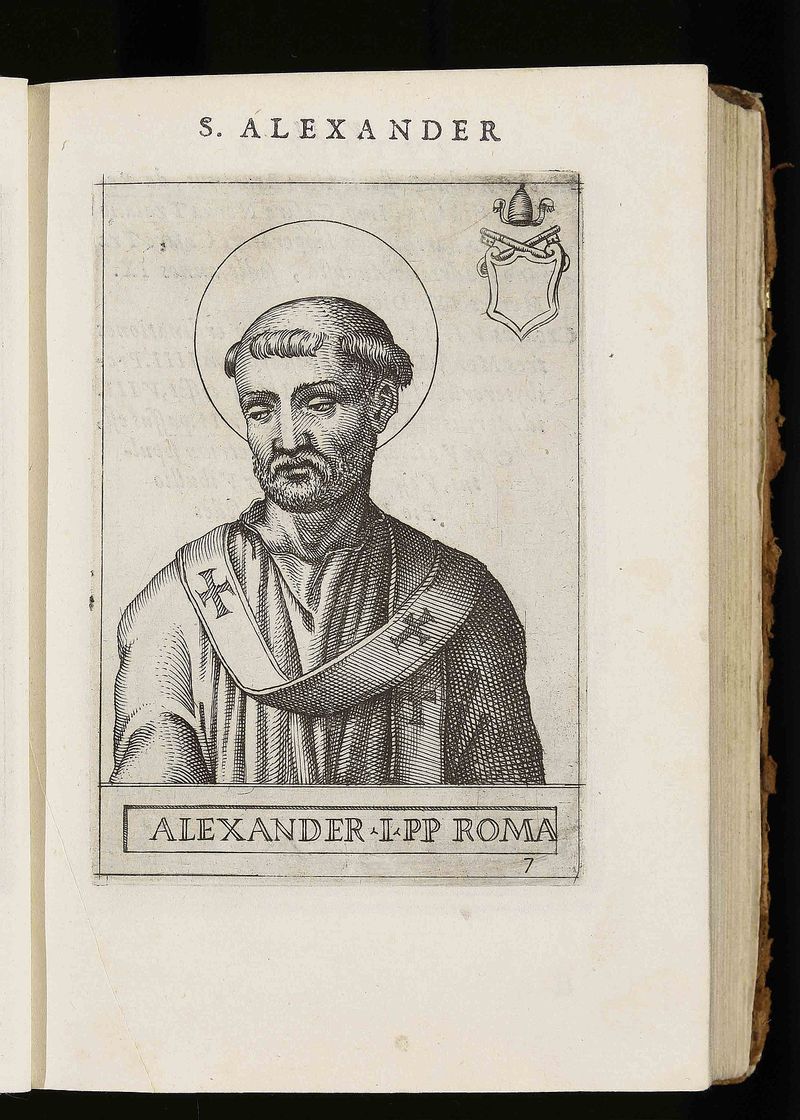
Alexander I is the sixth pope—a name on Irenaeus's list. Tradition gave him holy water and a martyr's death; the earliest sources are far more reticent.

A Catholic exegesis of 2 Kings 13:20–21: the Hebrew, the LXX, Sirach 48, and the patristic case that Elisha's bones warrant relic veneration.
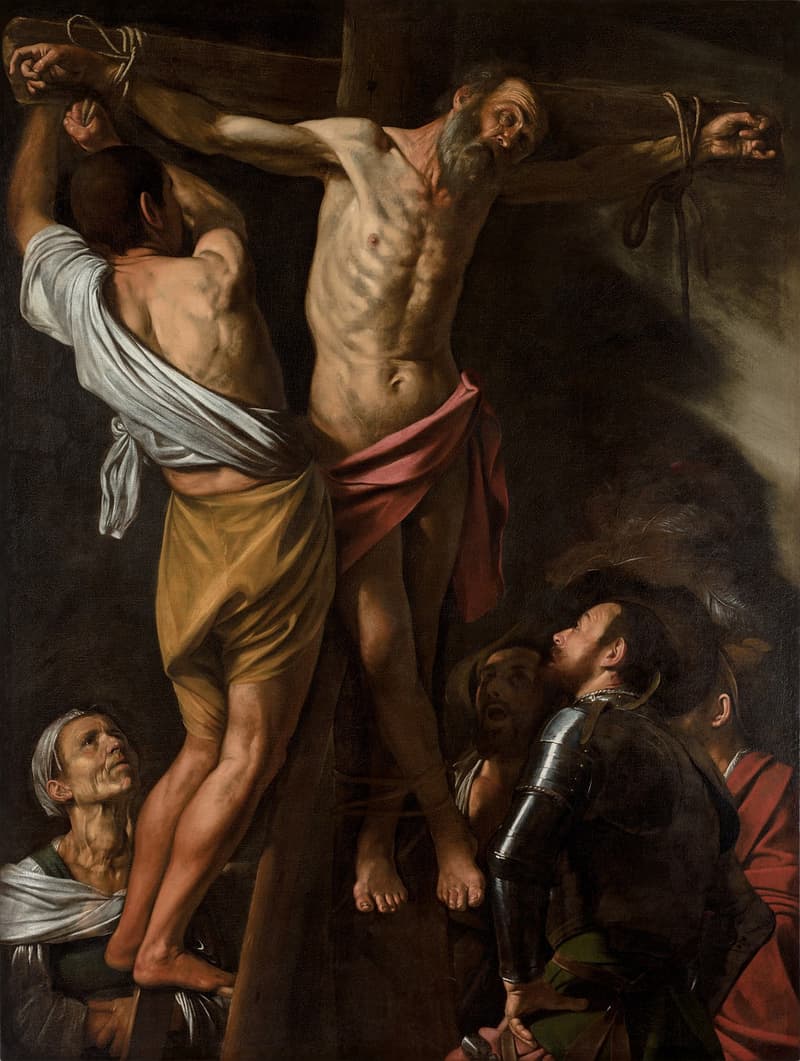
A scholarly account of Saint Andrew the Apostle: New Testament sources, the Patras martyrdom, the saltire X-cross legend, the relics, and Scottish patronage.
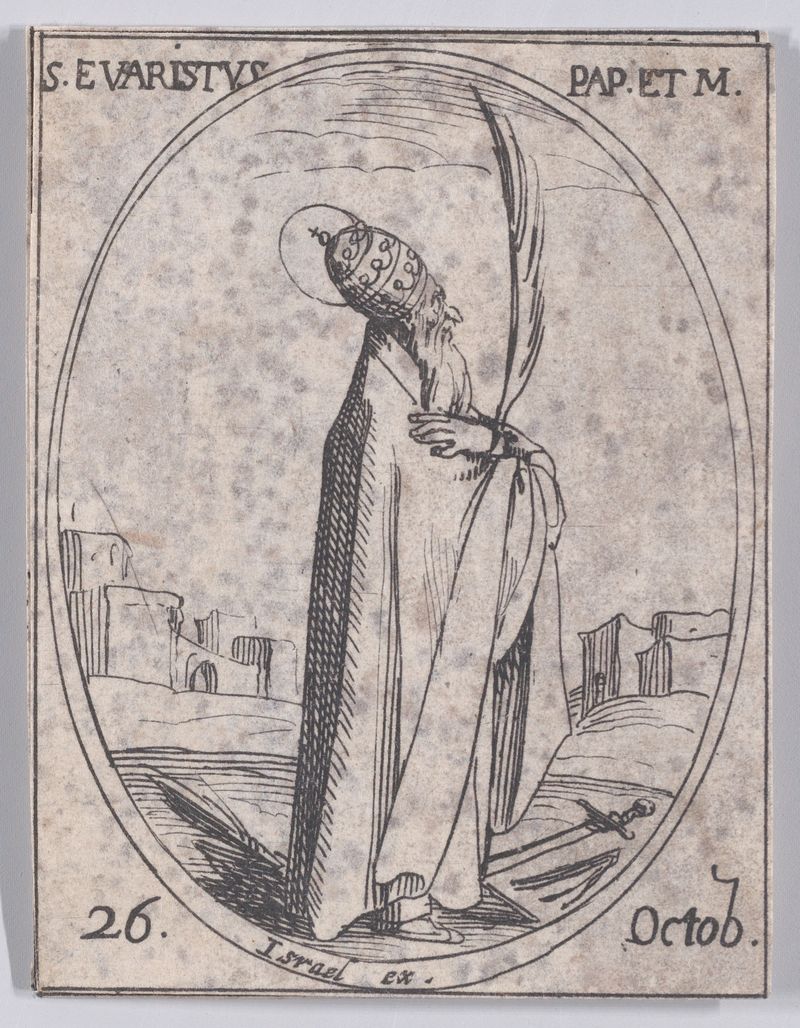
Evaristus is the fifth pope—a name on Irenaeus's list. Here's what the earliest sources actually say, and what the Liber Pontificalis added 400 years later.
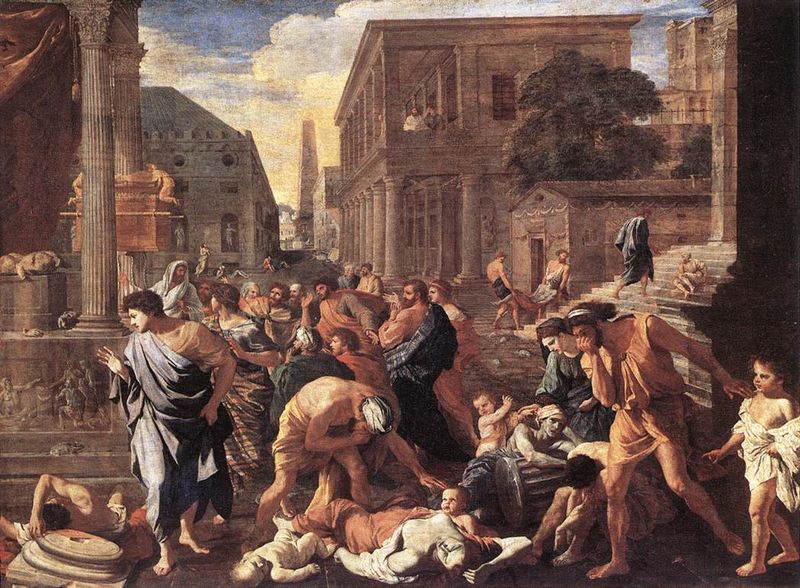
1 Samuel 5:1–5 explained: the Philistine grain god Dagon falls face-down before the ark at Ashdod, head and hands severed on the threshold. Catholic typology.
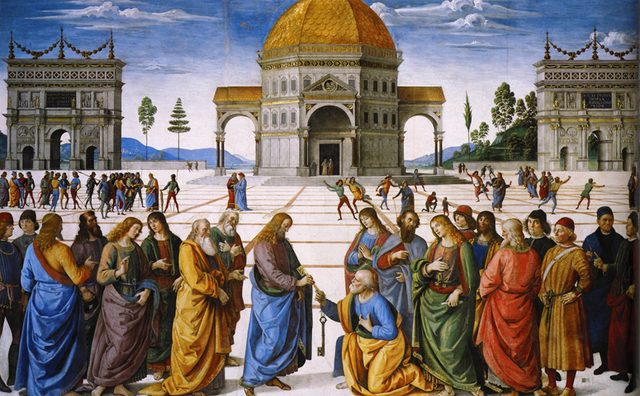
Apostolic succession traced from AD 96 to the 1992 Catechism: the patristic evidence, Tertullian’s legal logic, the Protestant critique, and why three in four Christians still require it.
A Yale MDiv convert's case for the Real Presence and transubstantiation—steelmanning Zwingli, Calvin, Luther, Carson, and Mathison, then answering each.
Clement of Rome wrote our earliest post-apostolic Christian letter. His message to Corinth still shapes apostolic succession and Roman primacy debates.
Few New Testament books faced more persistent doubt than 2 Peter. Its disputed authorship, weak patristic attestation, and long road to the canon.
The most popular Christian text you've never heard of — and how the Church discerned that the Shepherd of Hermas belonged to Tradition, not Scripture.
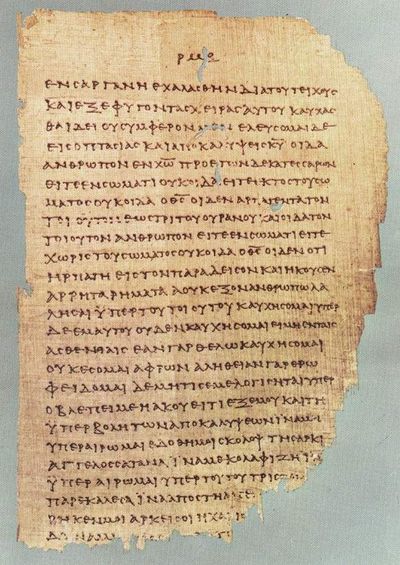
Hebrews—anonymous, disputed, indispensable. Its three-century canonical battle and the theology that shaped Catholic worship.
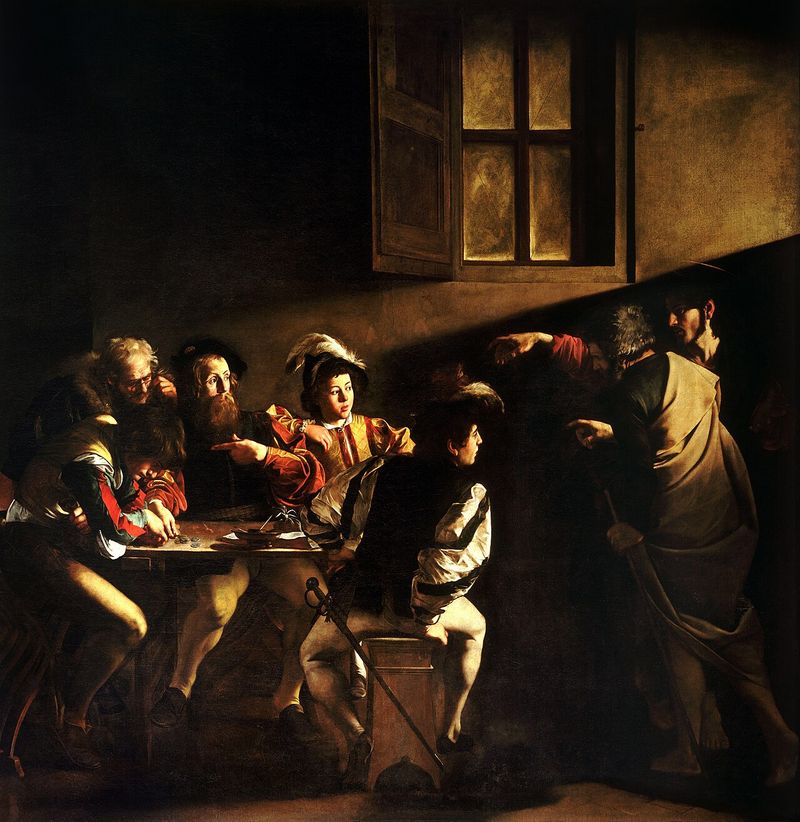
Few books shaped early Christianity as deeply as Matthew. Explore its authorship debates, composition, theology, and canonical status.
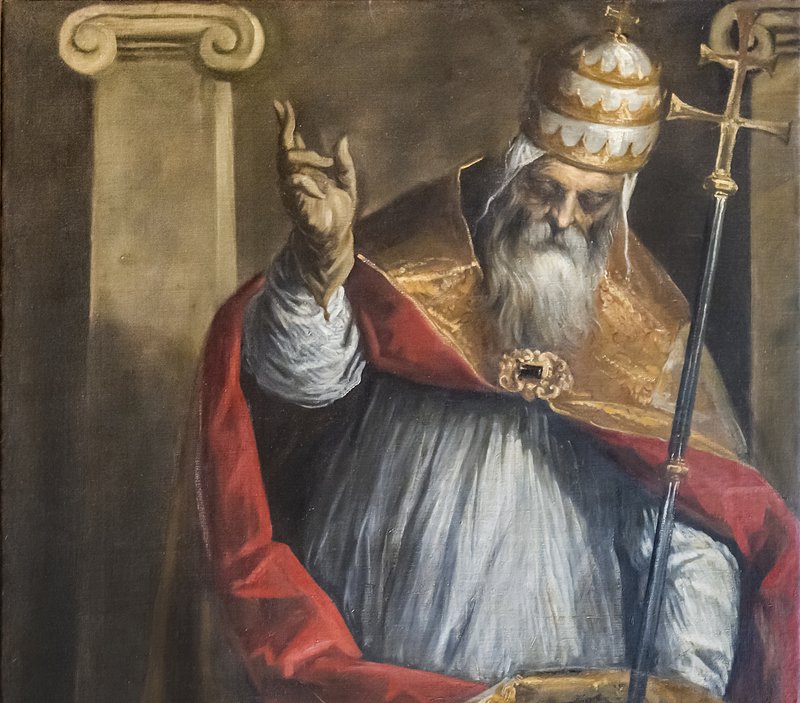
The third Bishop of Rome is named at every Mass, yet almost nothing about him can be verified. The honest history of Anacletus, the pope history can barely see.
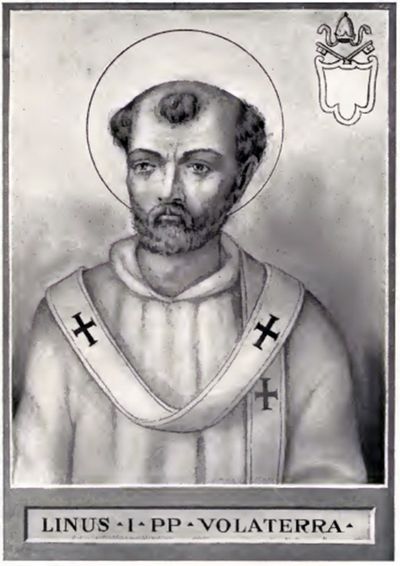
Nearly everything claimed about Pope Linus dissolves under scrutiny—yet he remains the earliest test case for apostolic succession. What does the evidence actually say?
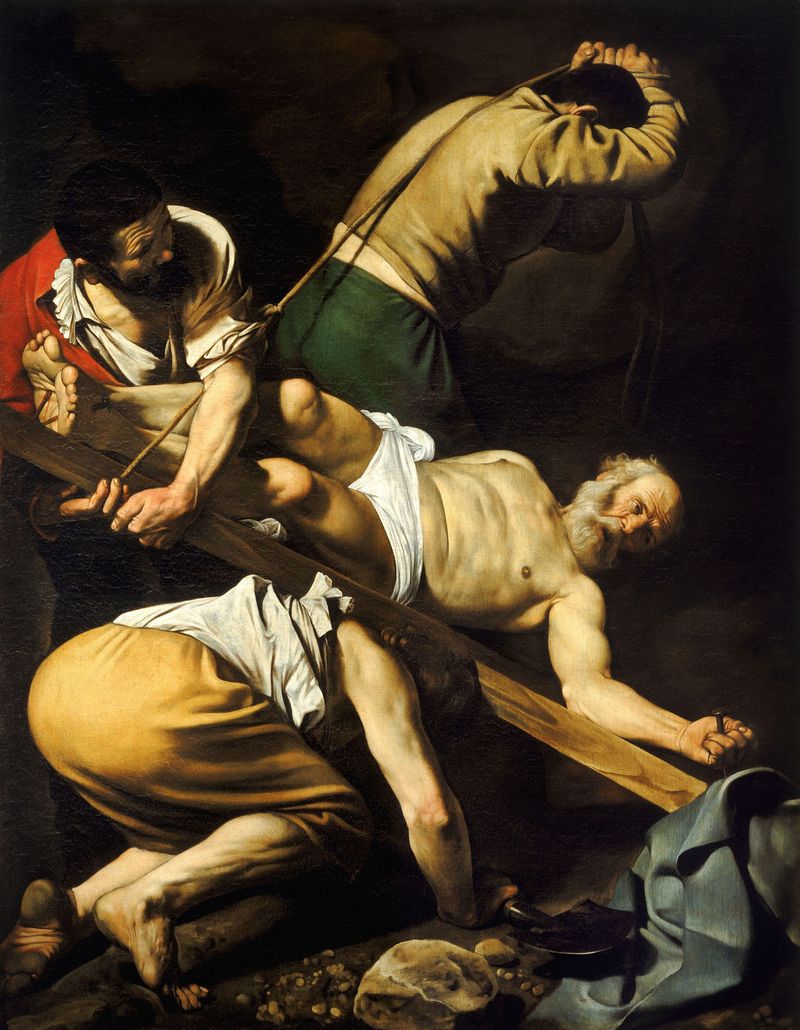
The life of Simon Peter—first among the apostles and first pope—traced through Scripture, the Church Fathers, and modern archaeology at Capernaum and Rome.

What does 'uncover his feet' mean in Ruth 3:4? The Hebrew euphemism debate, three scholarly camps, and why Catholic exegesis must hold the ambiguity.
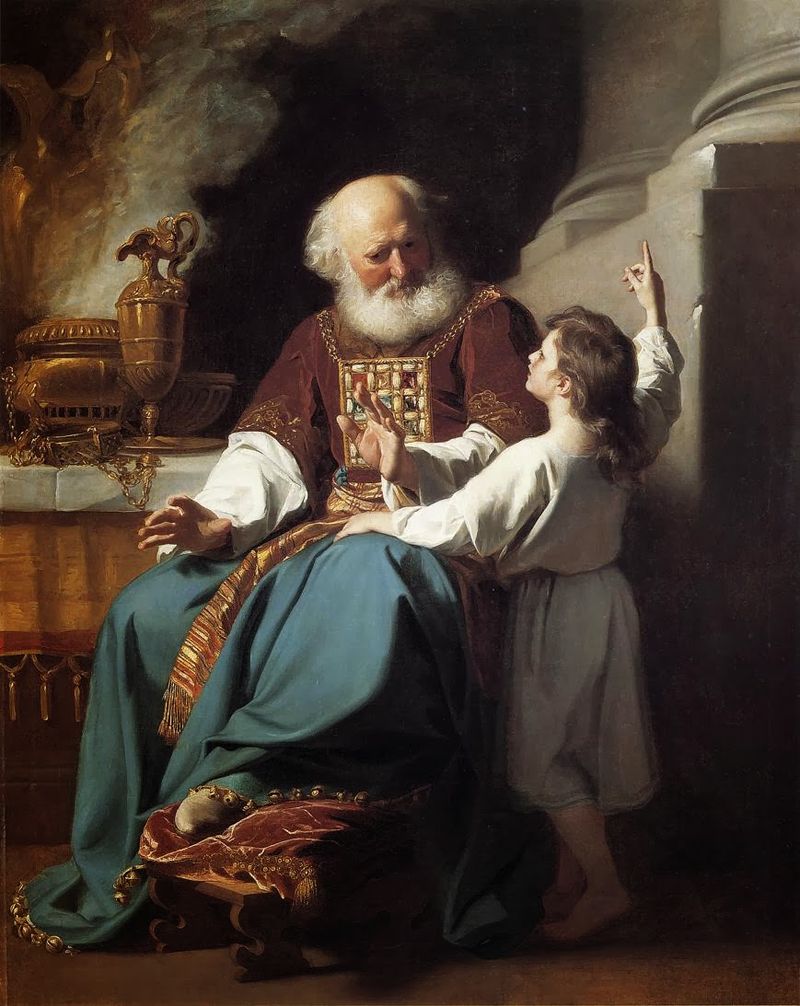
An exegetical study of 1 Samuel 2:25—the Hebrew ḥāpēṣ, the hardening tradition, and the Catholic response from Aquinas to Trent to De Auxiliis.
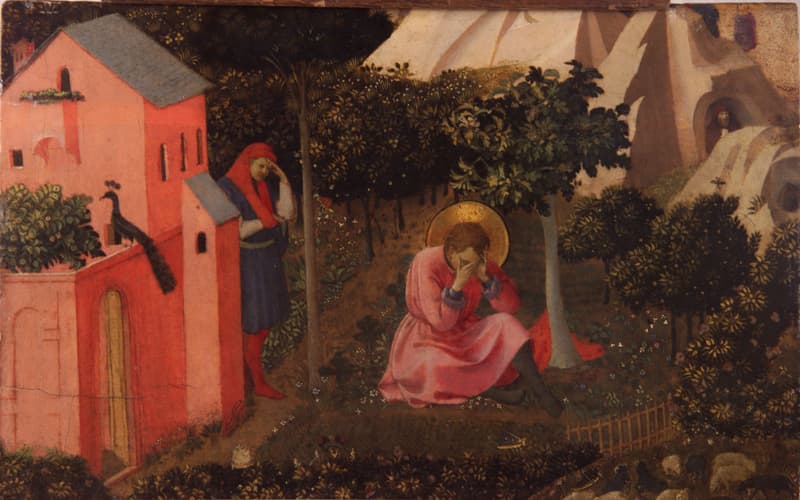
Donatism, the fourth-century heresy that rejected sacraments from sinful clergy—and Augustine's ex opere operato answer, which still refutes it today.
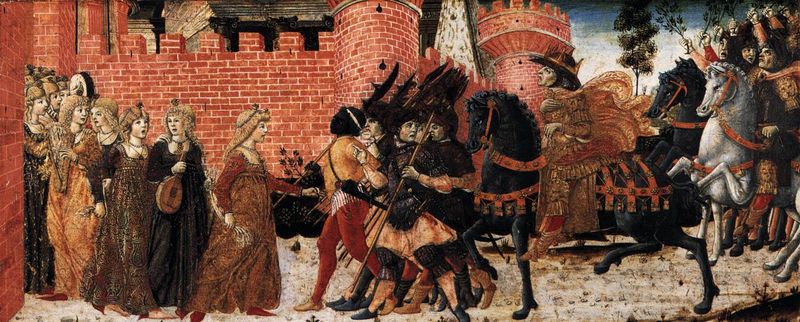
Did Jephthah sacrifice his daughter? A Catholic reading of Judges 11 with Augustine, Aquinas, the Fathers, the Catechism, and the full exegetical tradition.
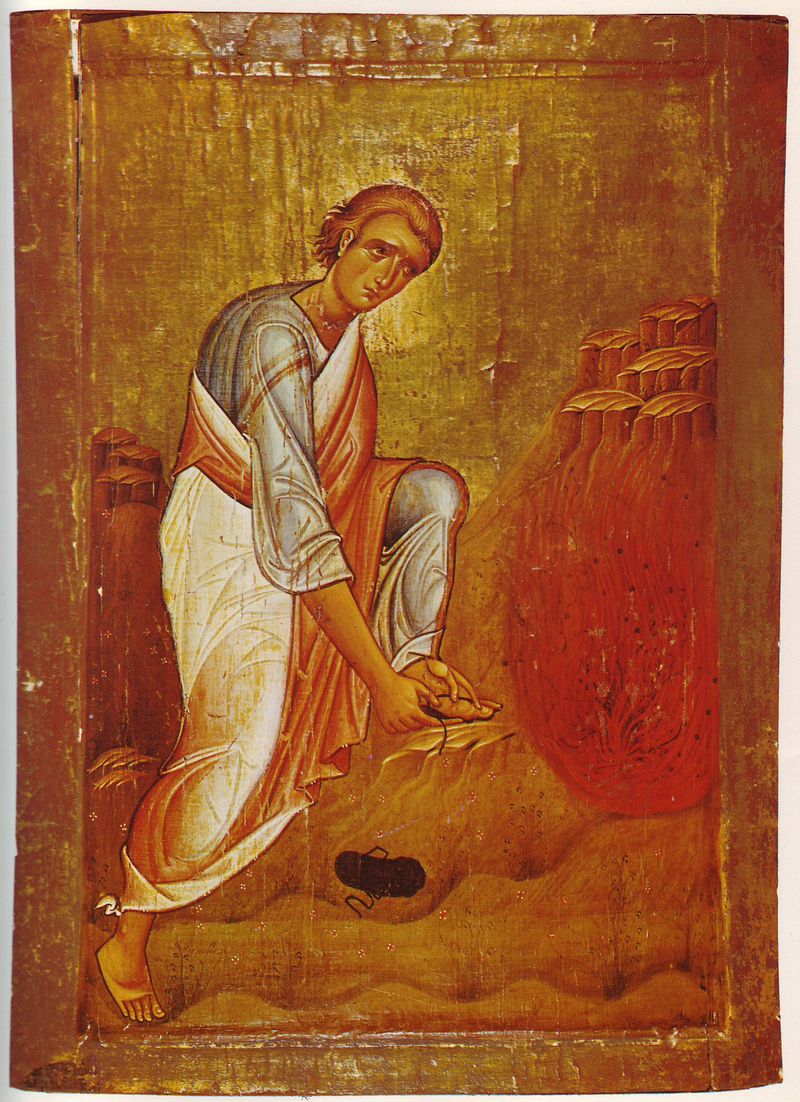
Who is the Angel of the Lord in the Old Testament? A Catholic survey of the biblical evidence, the major interpretive positions, and why this mysterious figure matters for Christology.
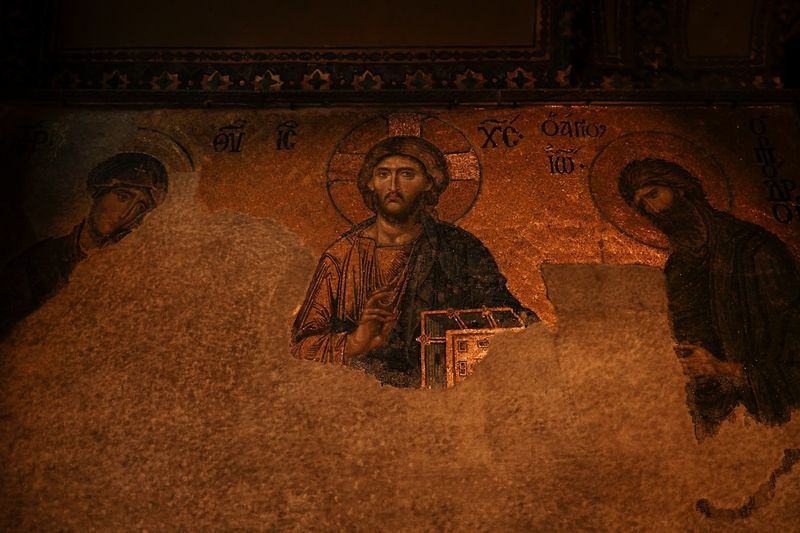
How Athanasius understood Christ's work through incarnation, deification, and the triumph over death—resources for a richer Catholic theology of the cross.
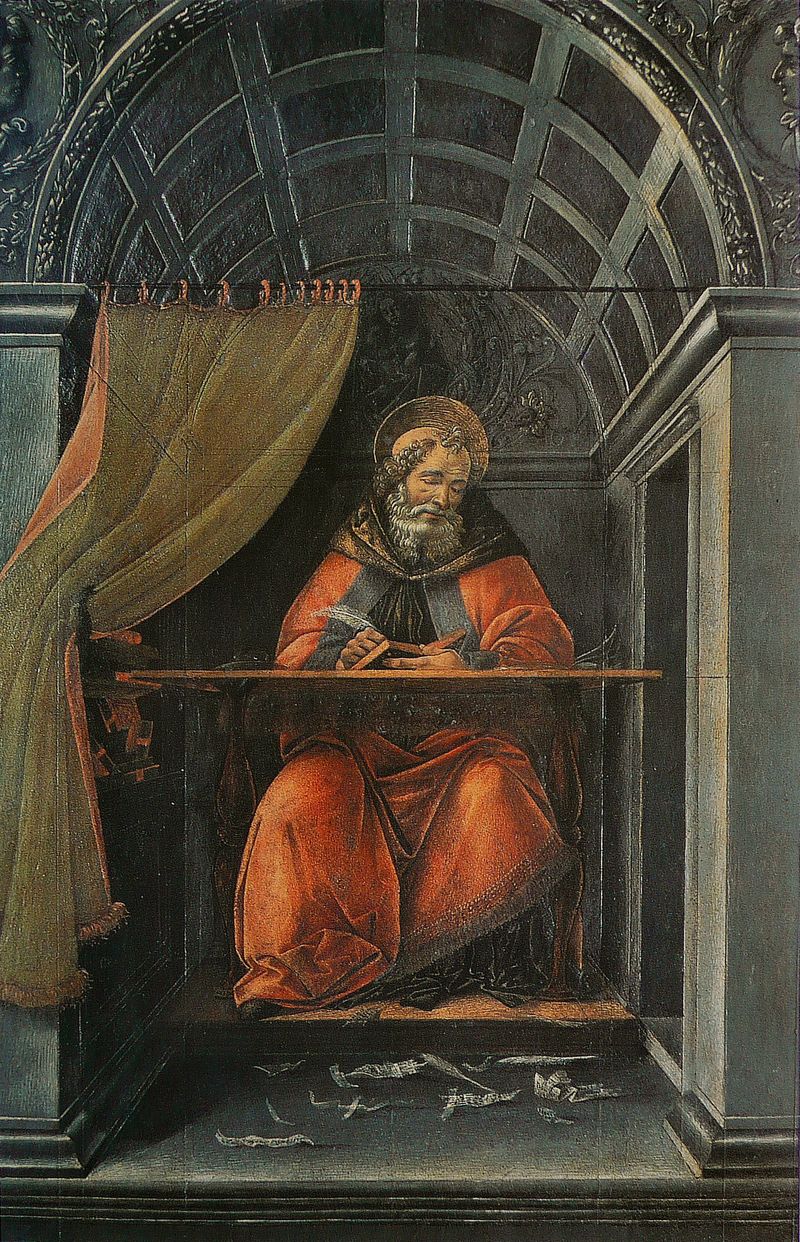
How Augustine's Trinitarian theology shaped atonement doctrine—victory, sacrifice, grace, and love united in Catholic soteriology.

What is Christus Victor? The earliest Christian atonement theory teaches that Christ defeated sin, death, and the devil. Explore the Church Fathers' witness.
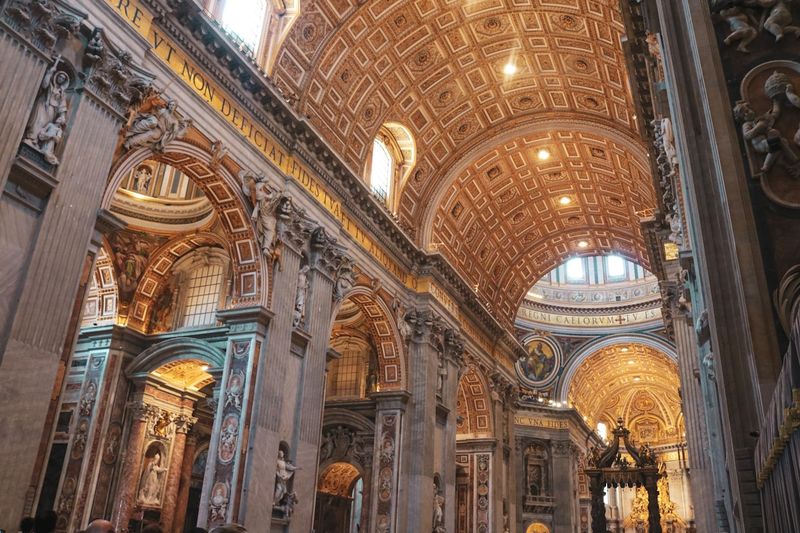
How the Golden-Mouthed Father understood Christ's atonement through victory, ransom, sacrifice, and exchange—a patristic synthesis that enriches Catholic theology.
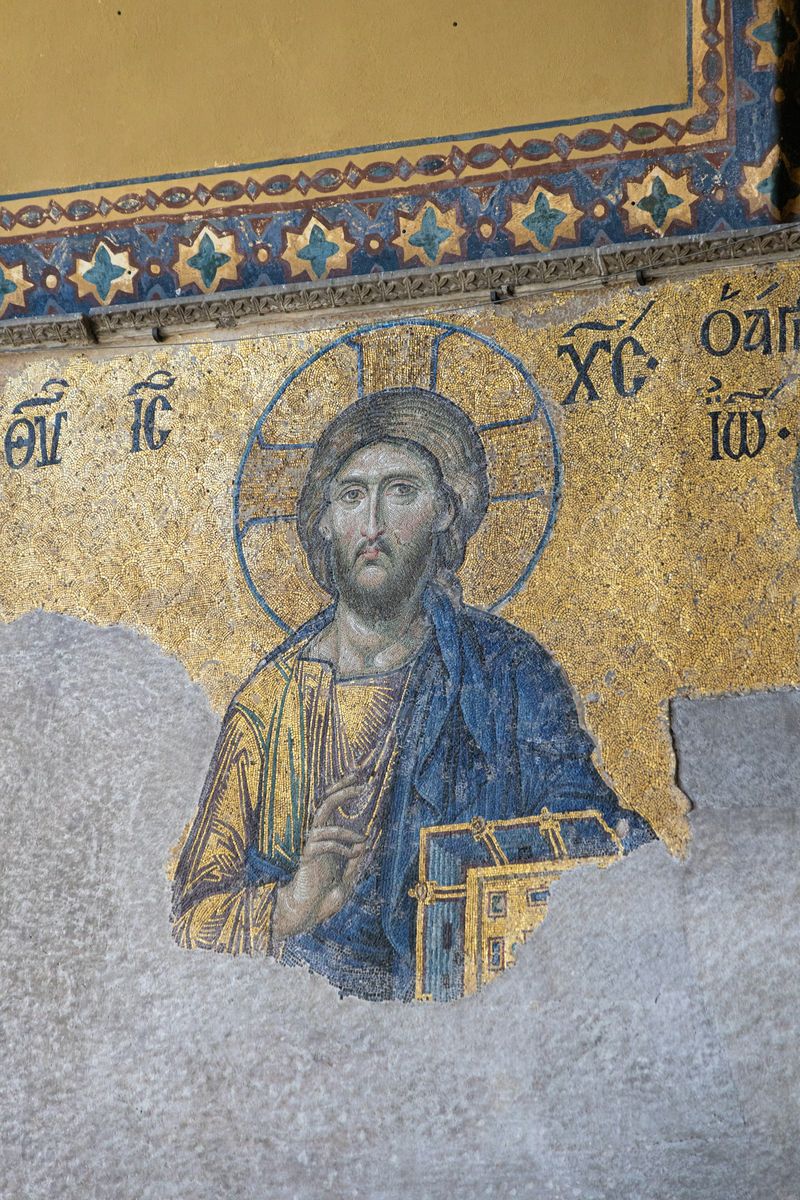
Gregory of Nyssa's Christus Victor theology: the fishhook, divine deception, theosis, and universal restoration in early patristic soteriology.
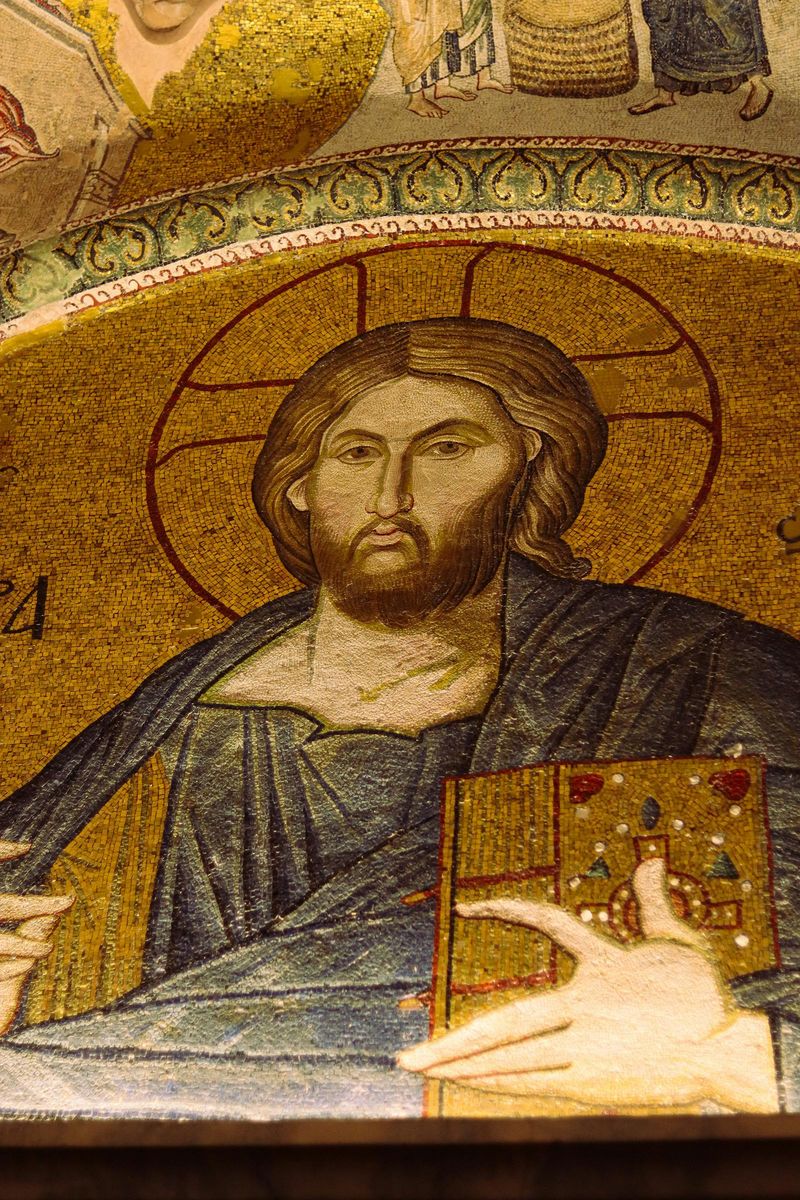
What is Arianism? A Catholic guide to the Arian heresy — what Arius actually taught, why it was condemned at Nicaea, and why the debate over Christ's divinity still matters.
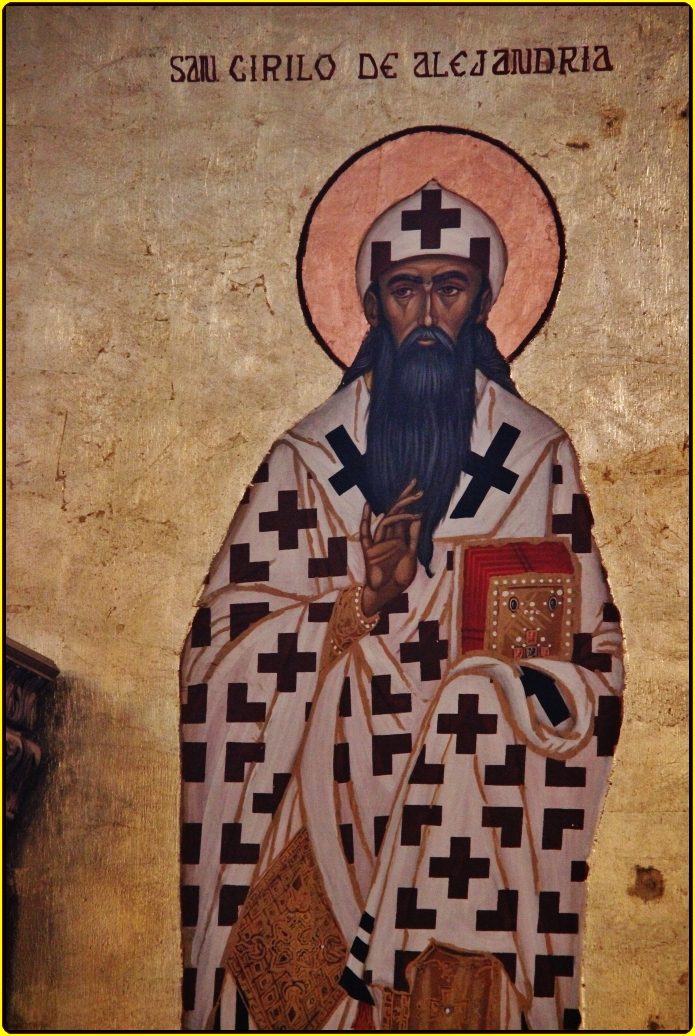
What did Cyril of Alexandria teach about the light shining in the darkness? Exploring his Commentary on John, divine inviolability, and human vulnerability.
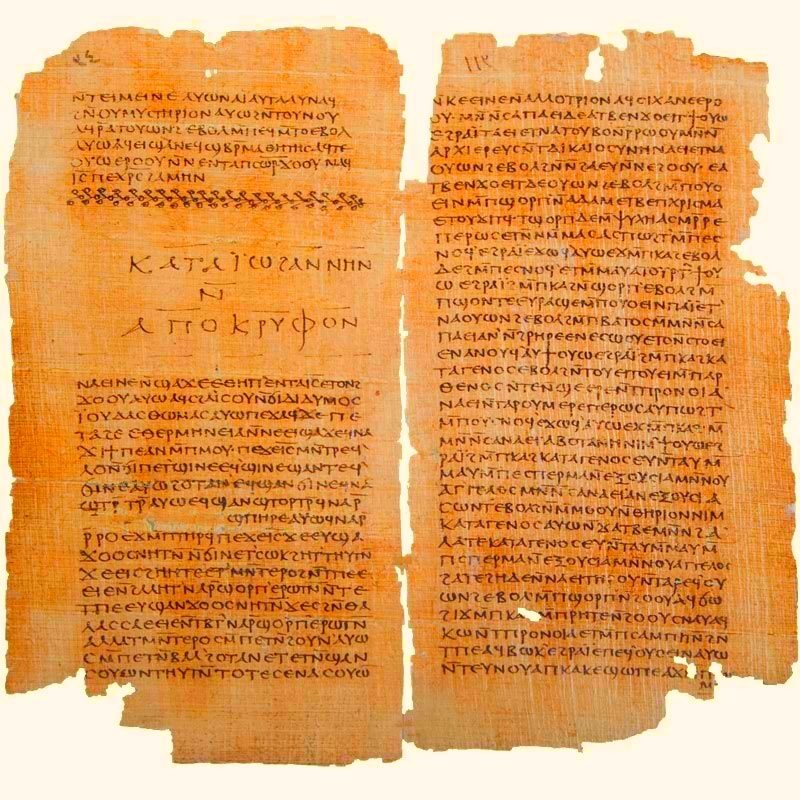
What are the Gnostic Gospels? A Catholic guide to the Gospel of Thomas, Gospel of Philip, Apocryphon of John, and other Nag Hammadi texts—what they say and why they matter.
How does Gnosticism differ from Christianity? A Catholic comparison of their views on God, creation, Jesus, salvation, scripture, and the body—and why it matters today.
What is Gnosticism? A Catholic guide to proto-Gnostic currents, the 2nd-century systems, the Nag Hammadi texts, and the Church Fathers' response through canon, creed, and doctrine.
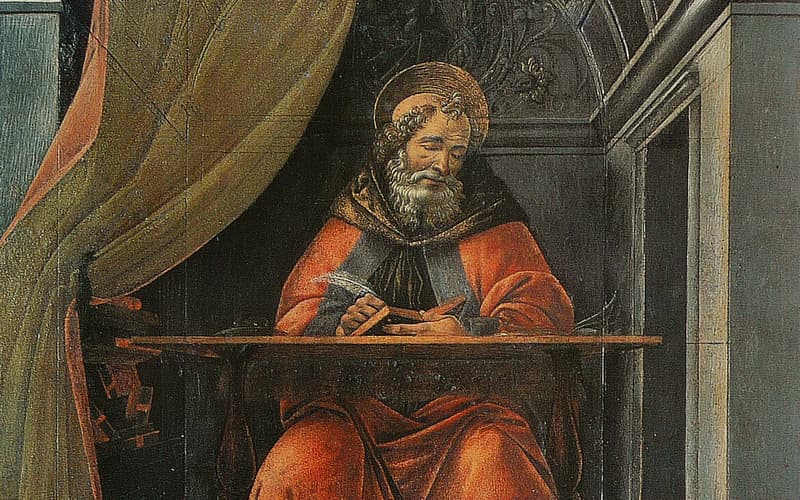
What is Augustine’s massa damnata? The condemned mass—its roots in Romans 5 and 9, the Thomist–Molinist debate, and the Catholic theology of grace.
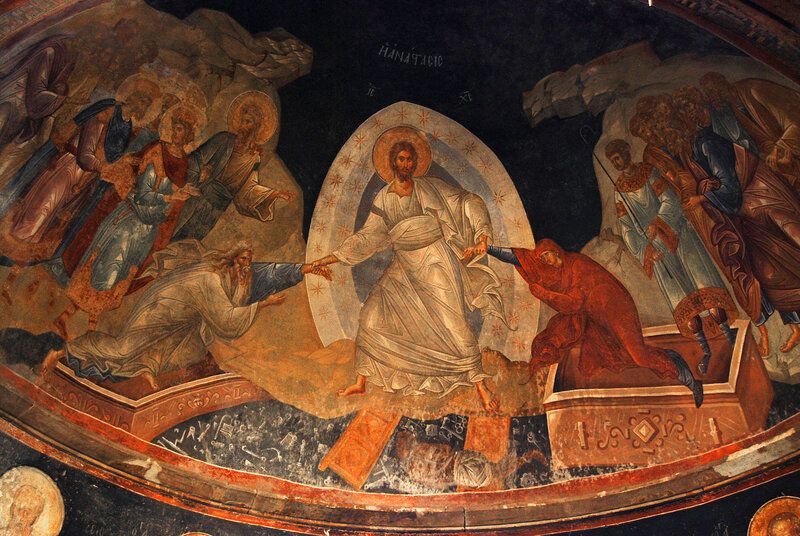
What does John 1:5 mean? A study of the Greek—the present tense of φαίνει, the double meaning of κατέλαβεν, and the already/not yet of eschatology.
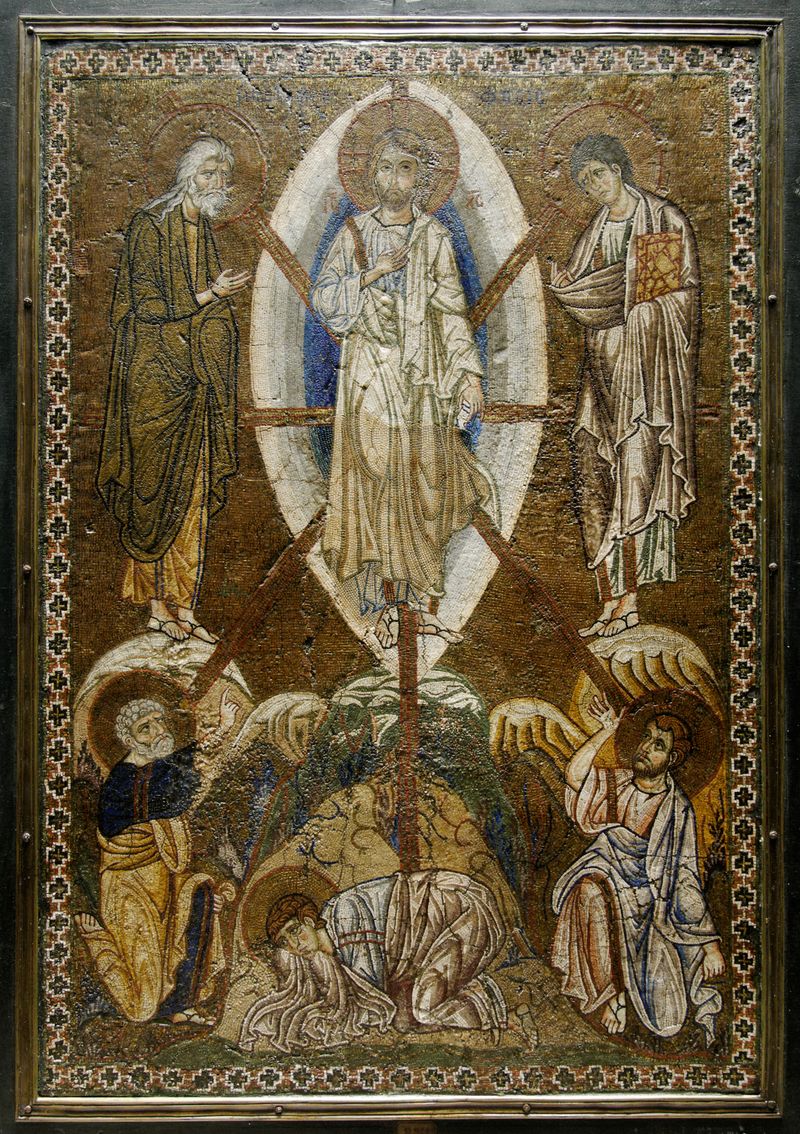
What is theosis? A comprehensive guide to the Christian doctrine of deification — from its biblical roots through the Church Fathers to its place in Orthodox and Catholic theology today.
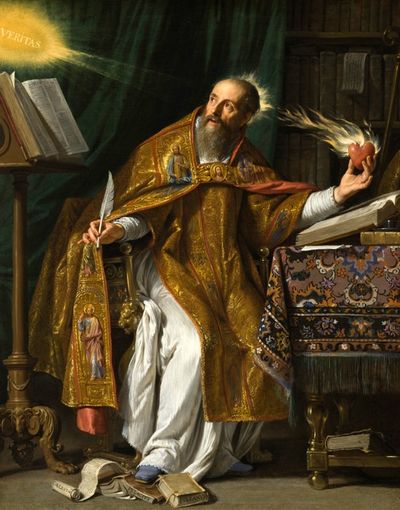
Understand Pelagianism vs. semi-Pelagianism: why both heresies were condemned, their impact on theology, and what they teach about grace and salvation.
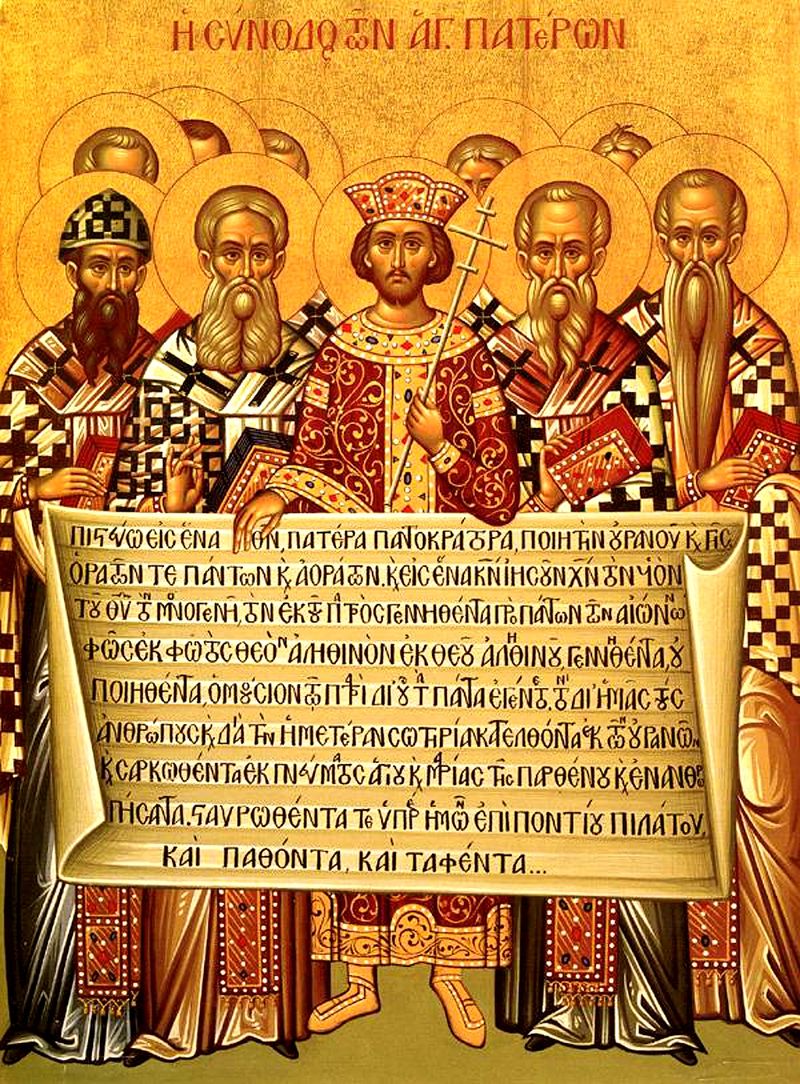
What happened at the First Council of Nicaea in 325 AD? A Catholic examination of the Arian crisis, the meaning of homoousios, and why the Nicene Creed still defines Christian orthodoxy.
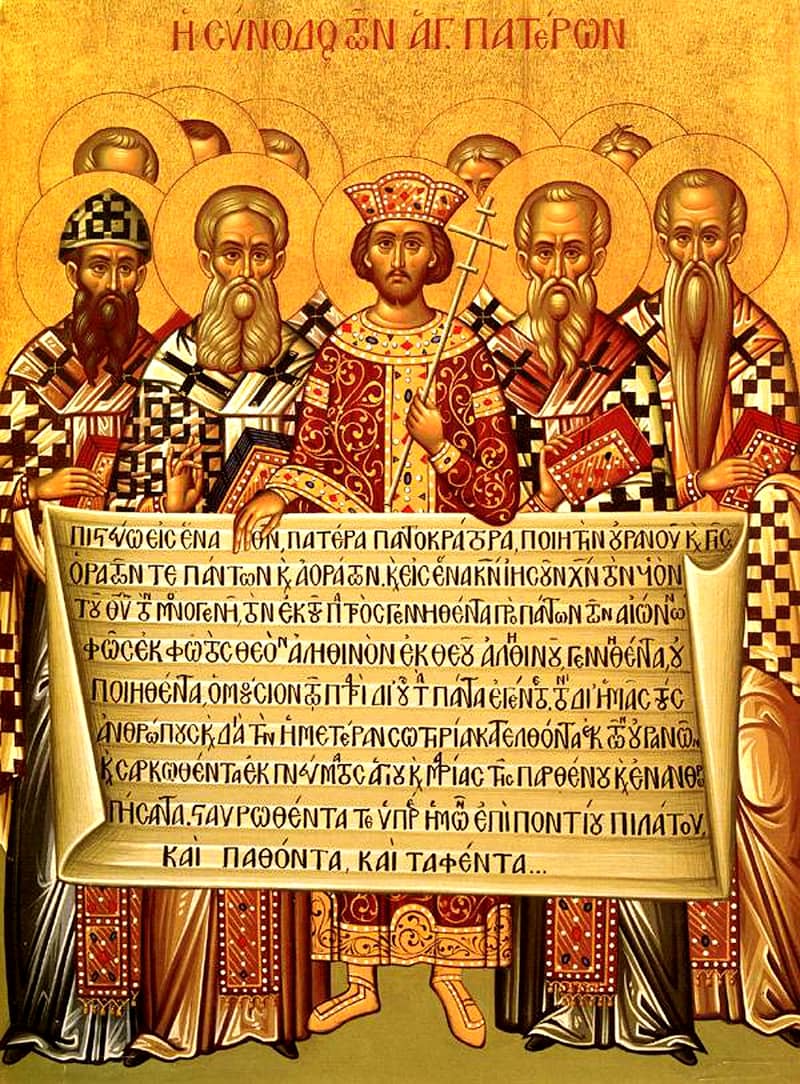
What is Modalism? A Catholic examination of the heresy that denied the real distinction of Father, Son, and Spirit — its origins, key proponents, and why the Church condemned it.
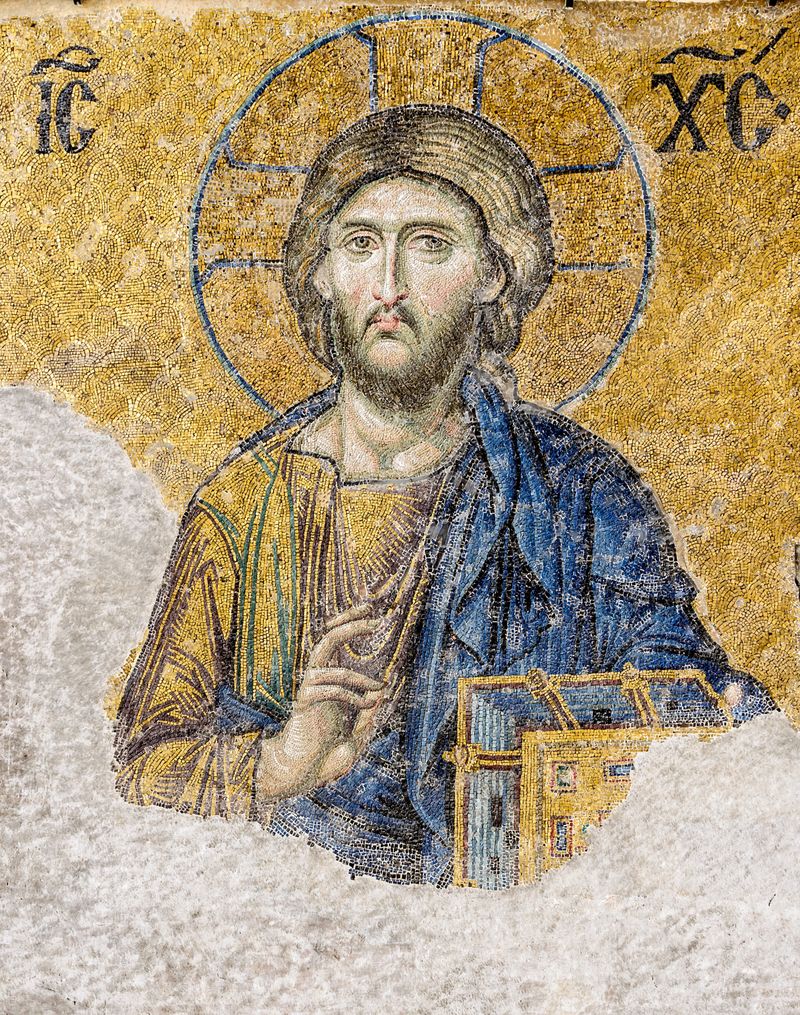
Apollinarius of Laodicea denied that Christ had a human rational mind, replacing it with the divine Logos. Gregory of Nazianzus's devastating reply—'what is not assumed is not healed'—sealed the condemnation at Constantinople I (381).
Get new writing on faith, law, and service delivered to your inbox.
No spam. Unsubscribe anytime.
