Learning to Read
Four years of Greek and Hebrew at a Baptist college taught me the opposite of what I expected. Not precision—the places where the English hides a decision.
· 53 min read
Biblical books and passages, and the tools scholars bring to them: manuscripts, textual criticism, translation, the Septuagint, and what inerrancy actually claims.
95 articles in this topic
Four years of Greek and Hebrew at a Baptist college taught me the opposite of what I expected. Not precision—the places where the English hides a decision.

A Catholic exegesis of Matthew 13:44–52: the hidden treasure, the pearl of great price, the dragnet, and the scribe who brings out the new and the old.

The Didache may be older than the last books of the New Testament, yet no Bible ever carried it. What the earliest church order says, and why it was left out.
A former evangelical's comprehensive assessment of John MacArthur: the scholarship claimed for him, his documented exegetical errors, and his record.

Quoted as Scripture in Alexandria and bound into Codex Sinaiticus, the Epistle of Barnabas bore an apostle's name—yet the New Testament closed without it. Why.

1 Clement was read as Scripture at Corinth and bound into Codex Alexandrinus. How the letter came so close to the New Testament, and why the Church left it out.
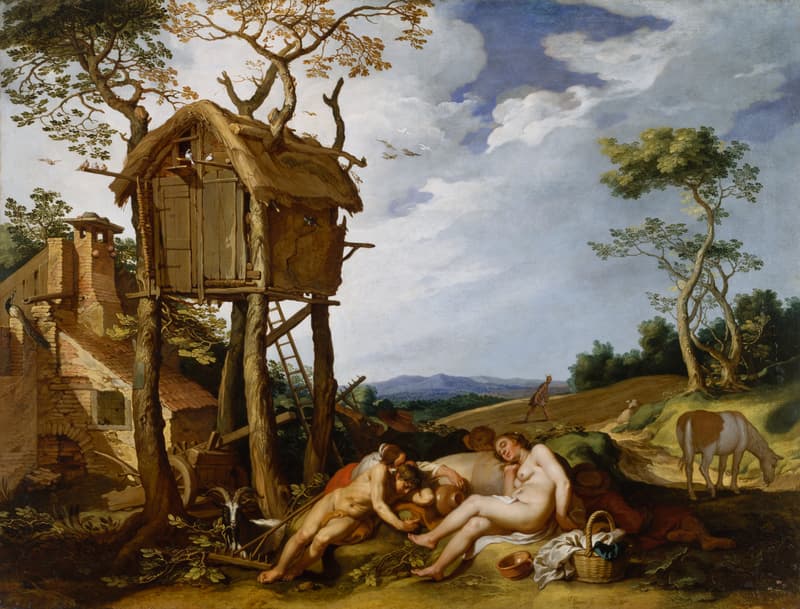
A Catholic exegesis of Matthew 13:24–43: the parables of the weeds, mustard seed, and leaven, the Psalm 78 citation, and Augustine’s corpus permixtum.

The First Letter of John gives us “God is love,” the antichrists, and the Bible’s most famous fake verse. A Catholic reads 1 John and its road into the canon.

The Letter to Philemon: Paul, the runaway slave Onesimus, and 'no longer a slave but a brother.' A Catholic look at slavery, Paul's shortest letter, and canon.

1 Timothy built the Church's offices — bishops, deacons, the pillar of truth. A Catholic look at church order, the authorship debate, and its road to canon.

2 Timothy is Paul's farewell: 'all Scripture is inspired,' guard the deposit, the good fight. A Catholic look at inspiration, authorship, and the road to canon.

The Letter to Titus: church order on Crete, 'our great God and savior,' the bath of rebirth. A Catholic look at grace, authorship, and its road to canon.

2 Thessalonians warns against a forged letter — and is itself one of Paul's disputed letters. A Catholic look at the man of lawlessness and the restrainer.

Paul never saw Colossae and an earthquake soon wrecked it—yet its letter was never doubted, and it spawned a forged 'Laodiceans' that haunted the Bible for centuries.

Ephesians was never doubted—yet its address may be a blank, Marcion called it 'Laodiceans,' and modern critics doubt Paul. A Catholic reads its road through the canon.

Philippians was never doubted—yet Polycarp spoke of 'letters,' critics cut it in three, and its hymn built Christology. A Catholic reads its road through the canon.

A Catholic on 1 Corinthians — the quarrelsome church whose letter preserves the oldest creed and the earliest Eucharist in the New Testament, and its road into the canon.

A Catholic on 2 Corinthians — Paul's most personal letter, its power-in-weakness gospel, and the integrity debate behind a book the Church never doubted.

Galatians was never doubted—yet Marcion put it first, the church fought over it, and Luther called it his own. A Catholic reads its road through the canon.

The Third Letter of John is the shortest book in the Bible, never names Jesus, and records a real first-century church quarrel over hospitality. A Catholic reads Gaius, Diotrephes, and its long road into the canon.

A presbyter in Asia forged the Acts of Paul 'out of love for Paul'—and was deposed for it. How the book gave the Church Thecla, the baptized lion, and 3 Corinthians, and why it was still left out of the canon.

John's is the highest Christology in the New Testament — the Gospel the Gnostics loved and a few of the orthodox feared. A Catholic examines its authorship, the Alogi, and its path to the canon.

1 Thessalonians is most likely the oldest surviving Christian writing. A Catholic examines its date, the parousia, the misread “rapture,” and its path into the New Testament canon.

Luke's second volume tells how the Church went from an upper room in Jerusalem to the heart of Rome. A Catholic examines the authorship, the 'we' passages, the historicity debates, and the path of Acts to the canon.

A Catholic reading of Revelation: who wrote it and when, why the Christian East nearly rejected it, and the four ways Christians have read its visions.

Luke, the Gentile physician and companion of Paul, wrote the longest Gospel — and the one Marcion tried to hijack. A Catholic examines its authorship, sources, theology, and path to the canon.

A Catholic on the Book of Romans — the one letter no critic could deny, the most tangled text in the New Testament, and why it stands first among Paul's letters.

The Gospel of the Hebrews survives only in scraps quoted by the Fathers — the risen Christ appearing to James, the Holy Spirit called his mother. A Catholic reads the fragments and asks why it never entered the New Testament.

The First Letter of Peter is the one catholic epistle the early Church never doubted. A Catholic reads its author, its ‘Babylon,’ its theology of suffering, and the riddle of the spirits in prison.

The Second Letter of John runs thirteen verses, signs itself only ‘the Presbyter,’ and tells a church to shut its door on false teachers. A Catholic reads its author, its ‘chosen Lady,’ and its long road into the canon.

The earliest Christian tour of heaven and hell was nearly canonized — read in church, defended by Clement of Alexandria. Why the Apocalypse of Peter was left out.

Jude runs twenty-five verses, quotes two books outside the canon, and nearly did not make the cut. A Catholic reads its authorship, its apocrypha, and its road to Scripture.

The one New Testament book a Reformer tried to demote. A Catholic on the Epistle of James—its disputed road to the canon, its authorship, and the faith-versus-works fight.

The shortest Gospel was tied to Peter from the earliest testimony, yet read least in antiquity. A Catholic examines Mark's authorship, abrupt ending, and path to the canon.

A Catholic account of Saint Matthias, chosen by lot to replace Judas — the first act of apostolic succession and the last casting of lots in Scripture.

A scholarly Catholic account of Judas Iscariot — what his name means, why the Gospels give him two different deaths, what the Church actually teaches about his damnation, and whether he received the Eucharist.

A Catholic account of Saint James the Less—apostle son of Alphaeus, possible brother of the Lord and bishop of Jerusalem, and the brothers of Jesus.

A scholarly Catholic account of Saint Simon the Zealot: what “Cananean” means, why the “Zealot party” label is anachronistic, and why his death is unknown.

A scholarly Catholic account of Saint Jude Thaddaeus—the apostle of three names, the Epistle of Jude, the mission legends, and the patron of hopeless causes.

A scholarly Catholic account of Saint Matthew the Apostle: the call at the Capernaum customs post, the Matthew/Levi question, and his contested death.

The Eastern Orthodox Old Testament contains books the Catholic canon does not—1 Esdras, 3 Maccabees, Psalm 151, the Prayer of Manasseh. A Catholic explains why, and why his own Church drew the line tighter.

2 Samuel 21:19 in Hebrew credits Elhanan, not David, with killing Goliath. The Catholic tradition has long-standing tools for the textual problem.

1 Samuel 13:8–14 explained: why Saul was rejected, what ‘a man after God’s own heart’ means, why the army was scattering, and how this relates to 1 Samuel 15.

A scholarly Catholic account of Saint Bartholomew the Apostle — the Nathanael identification, the Eusebius–Pantaenus trace to India, the Armenian Apostolic tradition, and the witness of Catholic liturgy.

A scholarly Catholic account of Saint Philip the Apostle—his four Johannine scenes, the Two Philips problem at Hierapolis, and the witness of Catholic liturgy.

The Eve–Mary parallel begins with Justin Martyr around 155, deepens in Irenaeus and Tertullian, runs through every century of the Christian tradition, and was retrieved at Vatican II. A reference-length essay on the typology, its primary sources, and what it does and does not commit a reader to.

A scholarly account of Saint James the Greater: son of Zebedee, Boanerges, the first apostle martyred, and the twelve-century Compostela tradition.

A scholarly account of Saint Thomas the Apostle: the Johannine doubt scenes, the confession of Christ's divinity, and the Mar Thoma tradition of India.

A scholarly account of Saint John the Apostle: the New Testament evidence, the Ephesus mission, his care for Mary, the Patmos exile, and why he alone did not die a martyr.
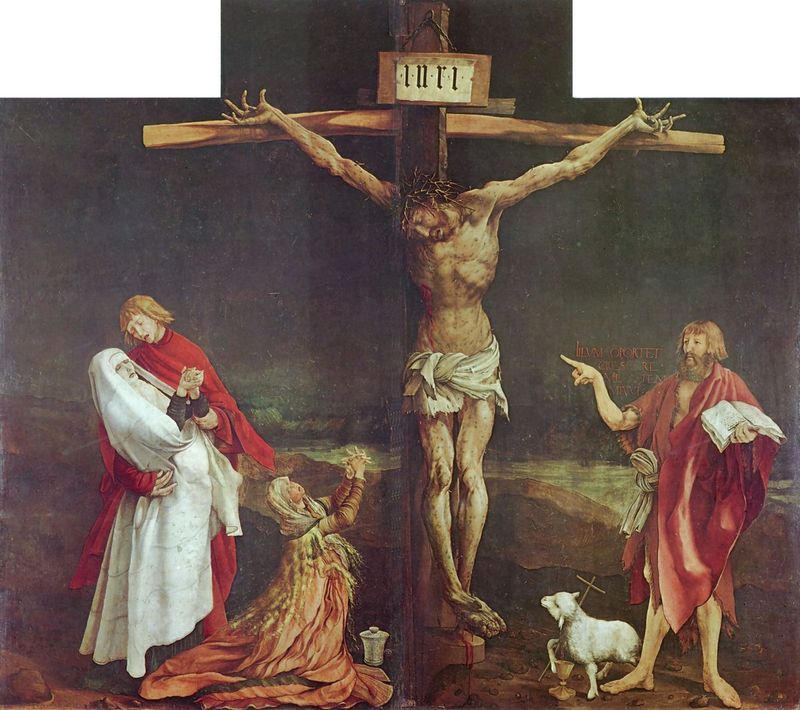
What does John 1:7 mean? A Catholic exegesis of the Greek—μαρτυρία and the witness motif, the two ἵνα clauses, and the puzzle of believing “through him.”

A Catholic exegesis of 2 Kings 13:20–21: the Hebrew, the LXX, Sirach 48, and the patristic case that Elisha's bones warrant relic veneration.

What archaeology, the Hebrew Bible, the Septuagint, the Dead Sea Scrolls, and Catholic doctrine say about whether King David was a real historical figure.
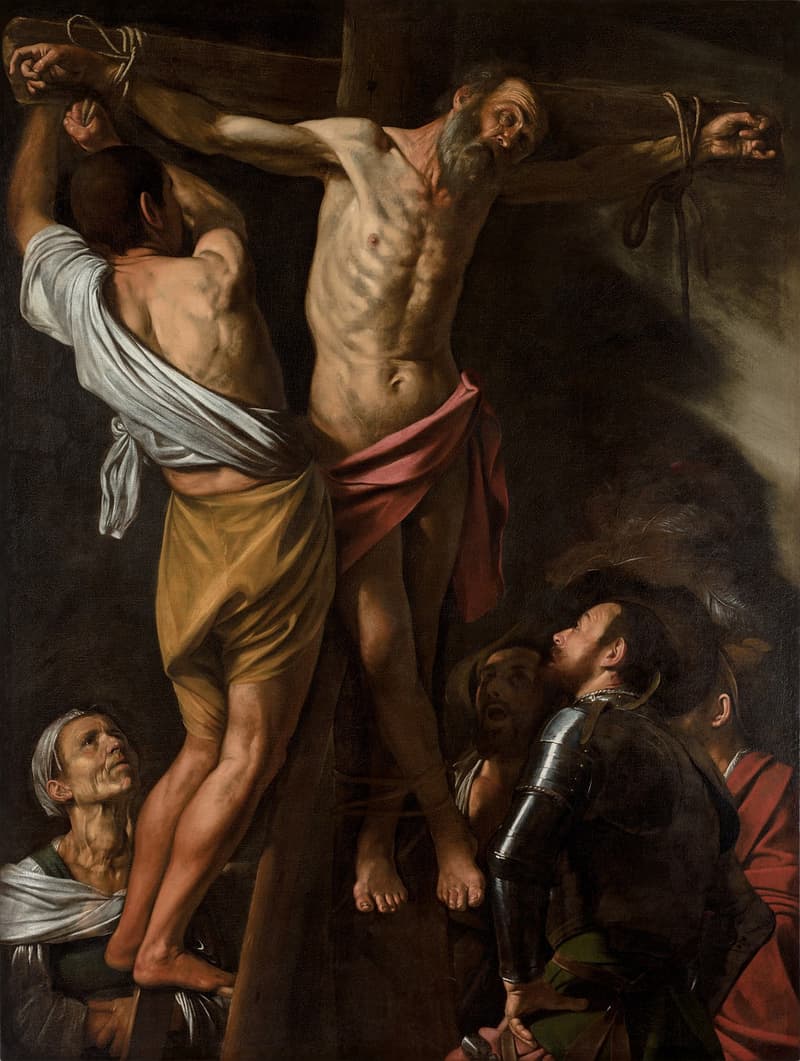
A scholarly account of Saint Andrew the Apostle: New Testament sources, the Patras martyrdom, the saltire X-cross legend, the relics, and Scottish patronage.
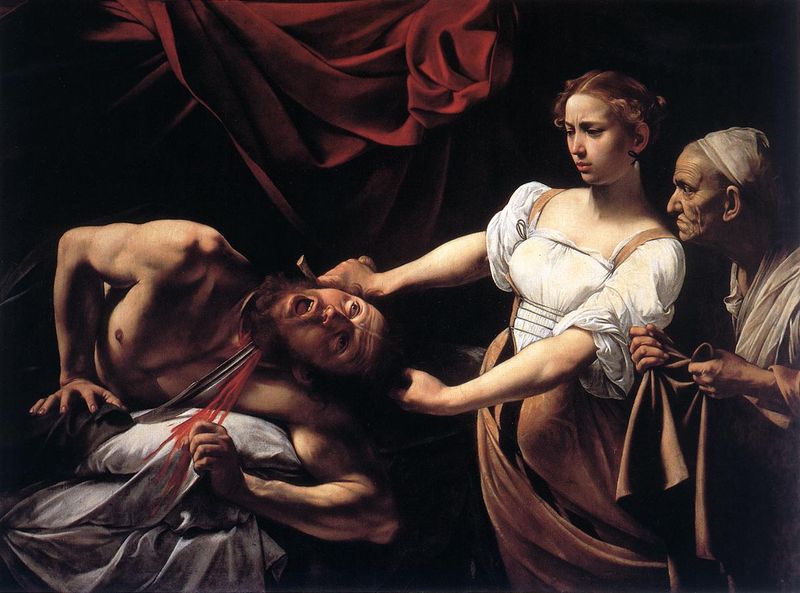
What the deuterocanonical books (the seven books most Protestants call the Apocrypha) are, where they came from, and why Christians disagree about them.
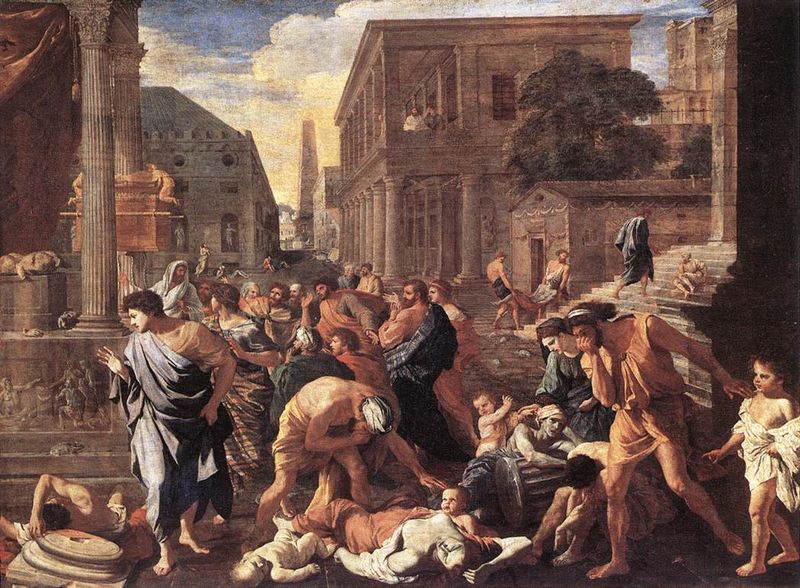
1 Samuel 5:1–5 explained: the Philistine grain god Dagon falls face-down before the ark at Ashdod, head and hands severed on the threshold. Catholic typology.
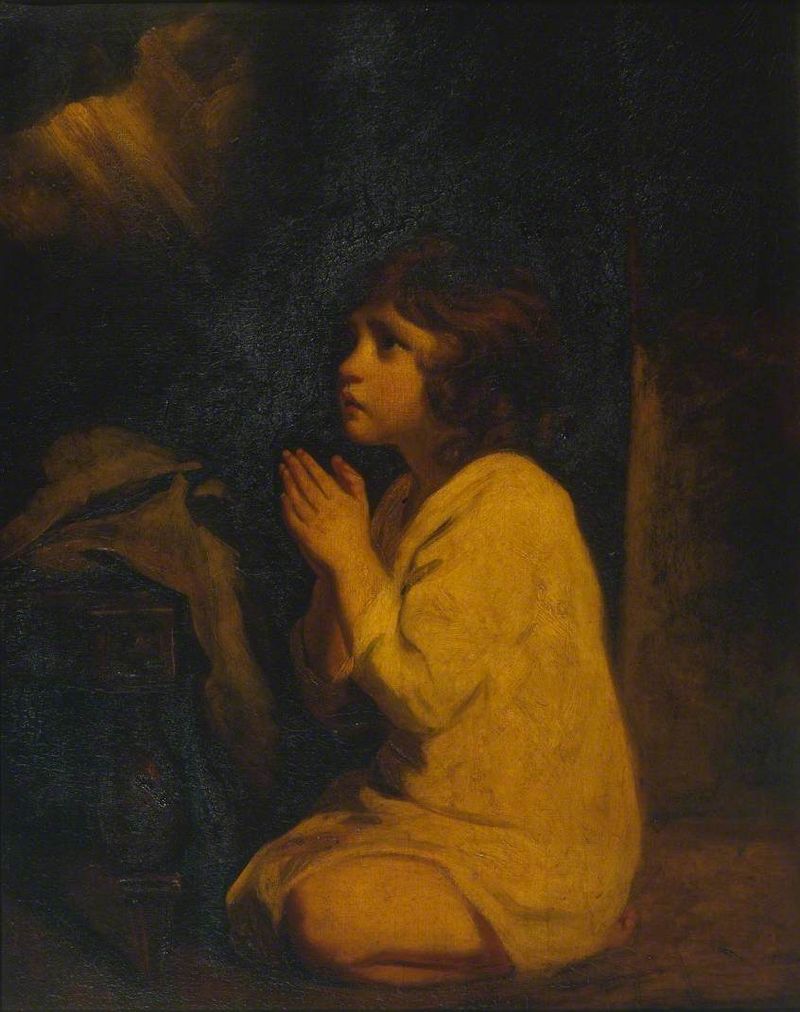
Why did Samuel drop the divine name from Eli's instruction in 1 Samuel 3:10? An exegetical study of the gradual Israelite silence around the Tetragrammaton.
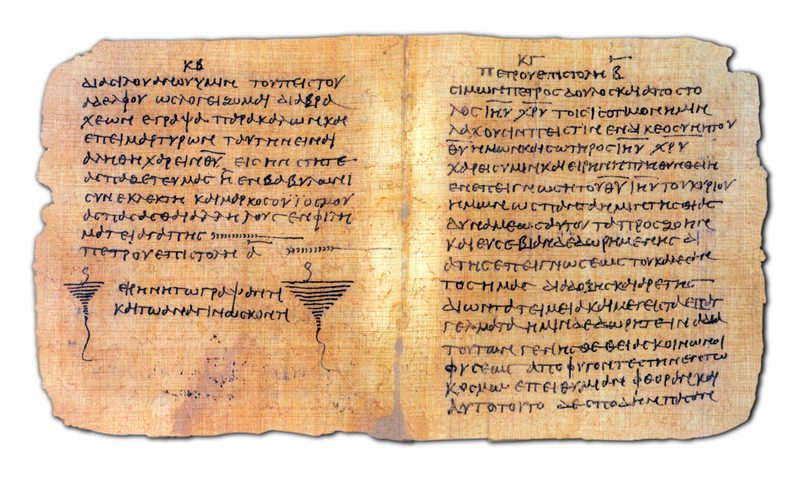
Few New Testament books faced more persistent doubt than 2 Peter. Its disputed authorship, weak patristic attestation, and long road to the canon.
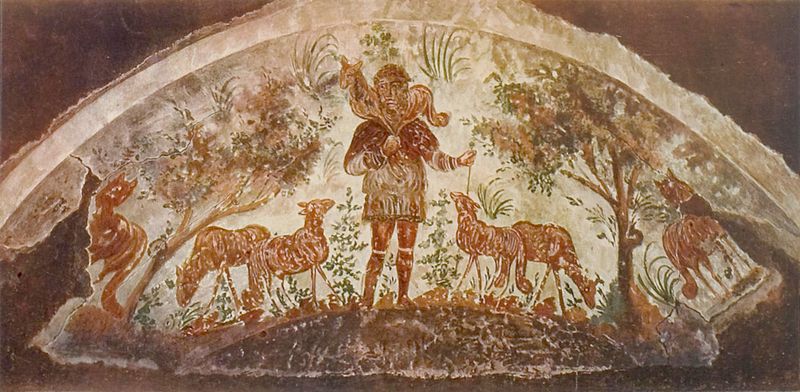
The most popular Christian text you've never heard of — and how the Church discerned that the Shepherd of Hermas belonged to Tradition, not Scripture.
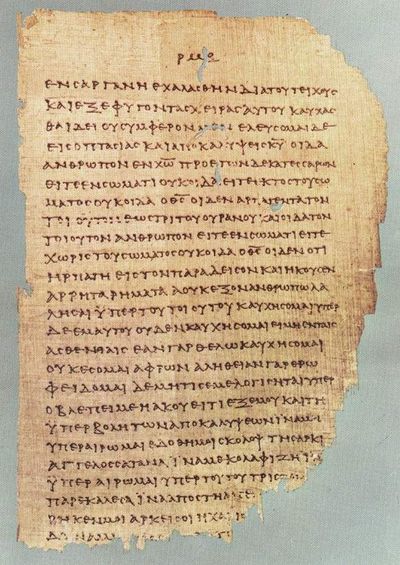
Hebrews—anonymous, disputed, indispensable. Its three-century canonical battle and the theology that shaped Catholic worship.
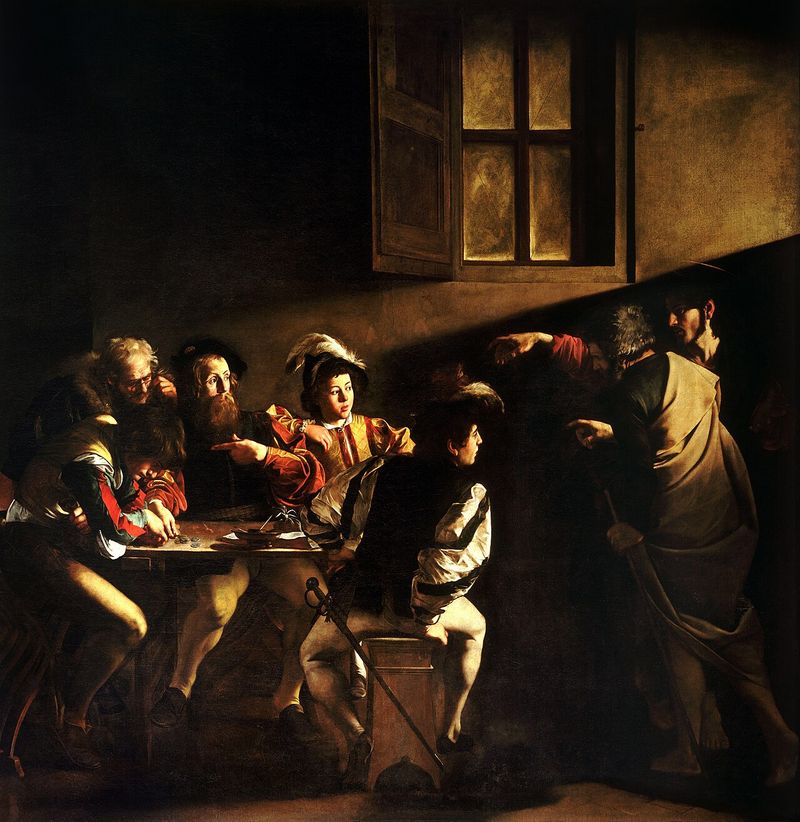
Few books shaped early Christianity as deeply as Matthew. Explore its authorship debates, composition, theology, and canonical status.
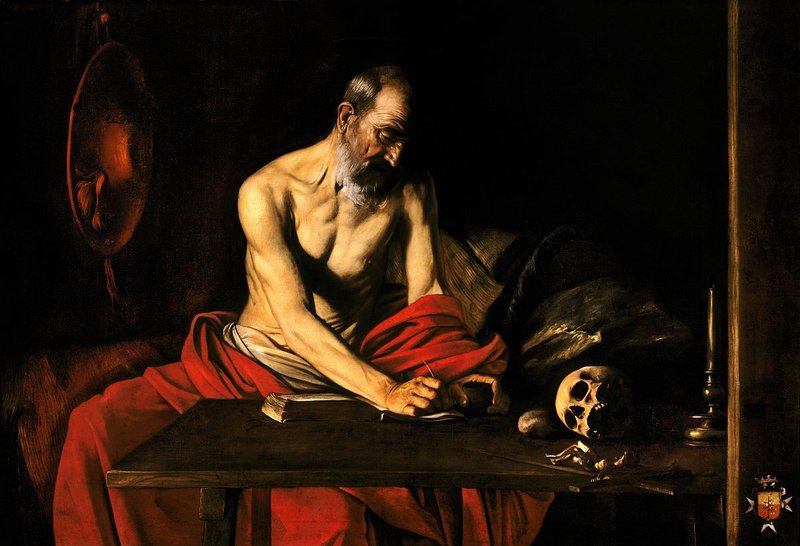
Did the Catholic Church ban the Bible? Examining the councils, indices, and regional restrictions—what's myth, what's exaggeration, and what's actually true.
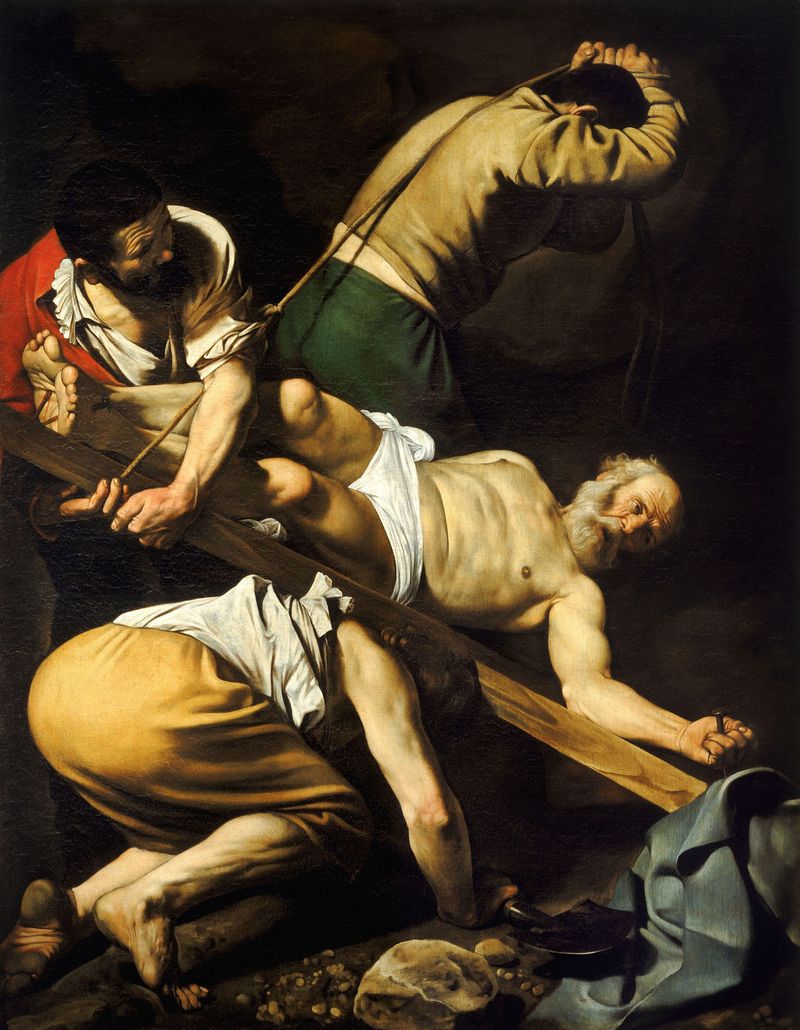
The life of Simon Peter—first among the apostles and first pope—traced through Scripture, the Church Fathers, and modern archaeology at Capernaum and Rome.
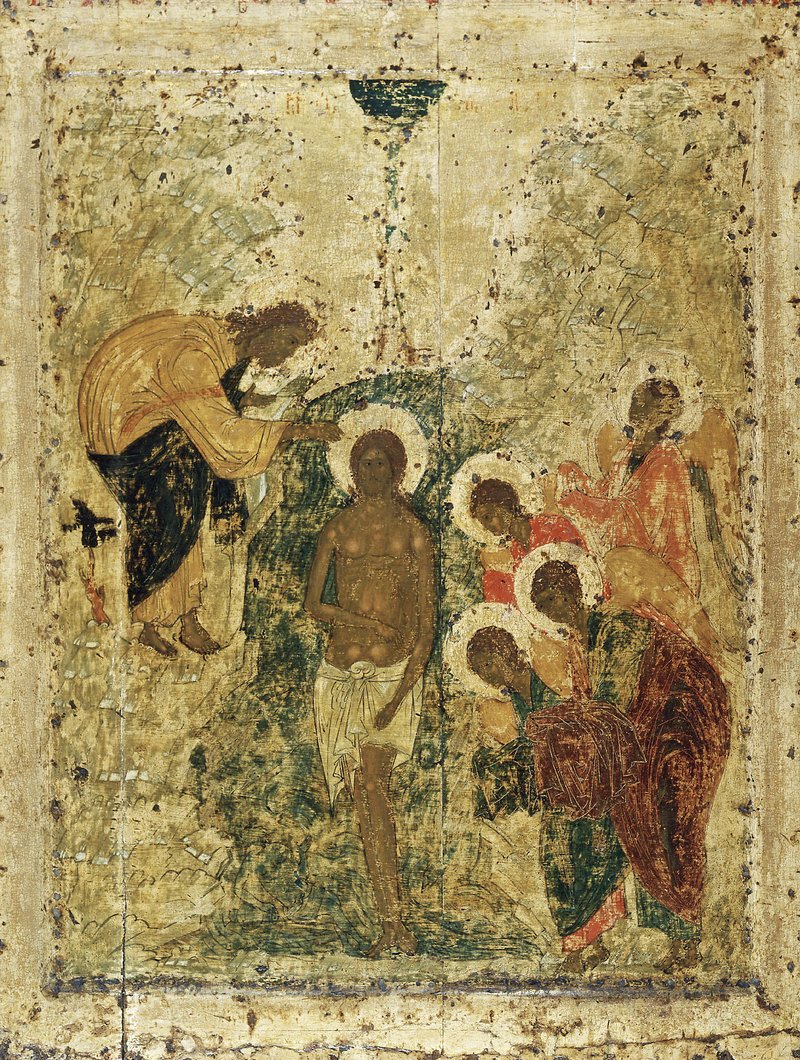
What does John 1:6 mean? A Catholic exegesis of the Greek—the ἦν/ἐγένετο contrast, the perfect participle ἀπεσταλμένος, and John the Baptist as witness.
What does 'uncover his feet' mean in Ruth 3:4? The Hebrew euphemism debate, three scholarly camps, and why Catholic exegesis must hold the ambiguity.
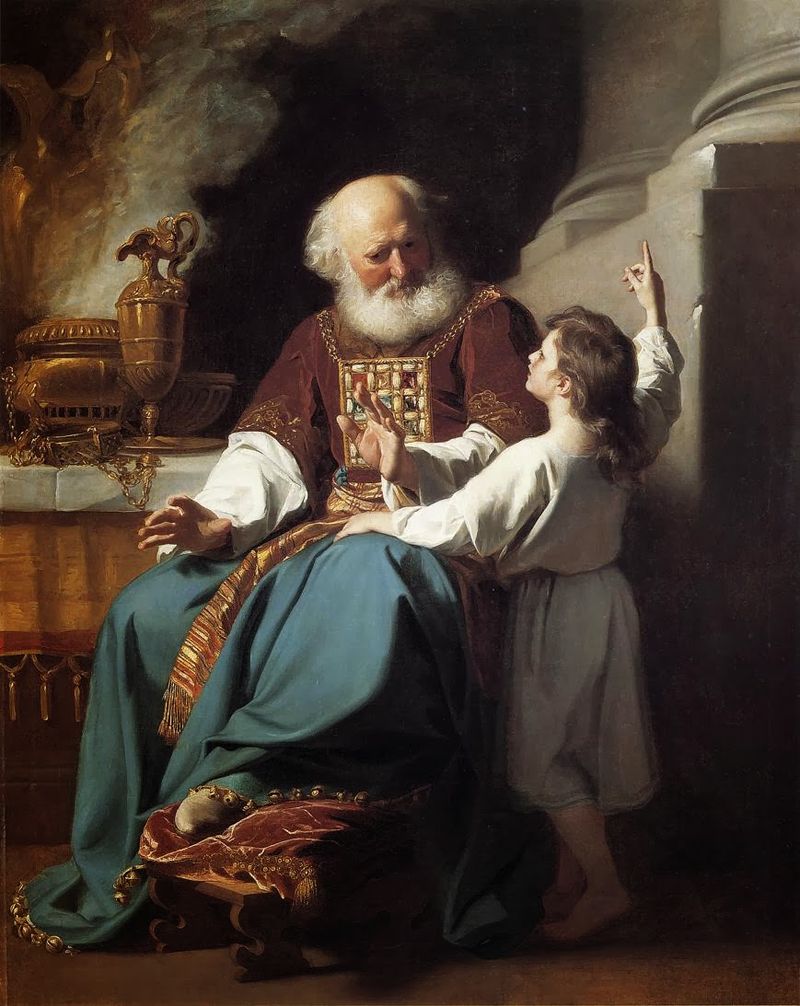
An exegetical study of 1 Samuel 2:25—the Hebrew ḥāpēṣ, the hardening tradition, and the Catholic response from Aquinas to Trent to De Auxiliis.
How Catholic inerrancy handles the conquest of Canaan, the Aqedah, the imprecatory psalms, and other hard Old Testament passages. Five approaches.
Did Jephthah sacrifice his daughter? A Catholic reading of Judges 11 with Augustine, Aquinas, the Fathers, the Catechism, and the full exegetical tradition.
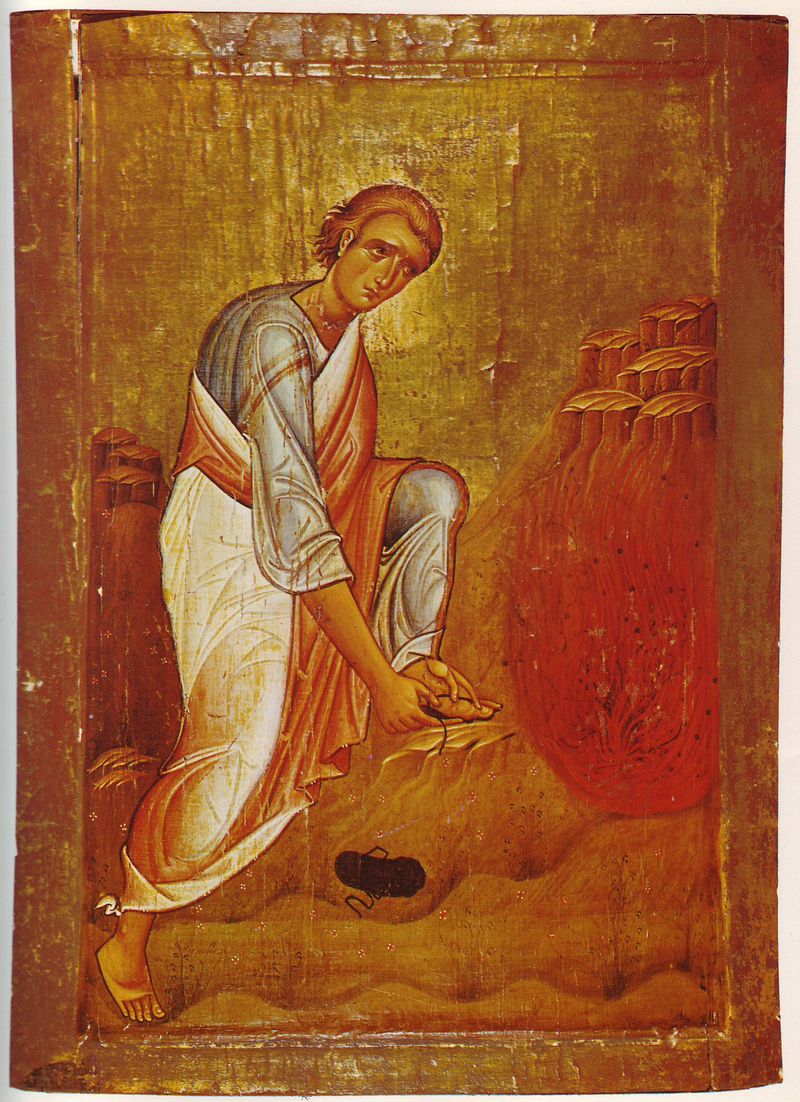
Who is the Angel of the Lord in the Old Testament? A Catholic survey of the biblical evidence, the major interpretive positions, and why this mysterious figure matters for Christology.
A comprehensive guide to biblical inerrancy—what it means, its history from the Chicago Statement to Vatican II, how Catholics understand it differently from evangelicals, and how to approach apparent contradictions in Scripture.

An honest guide to confessional PhD programs in New Testament studies — Baylor, Wheaton, Fuller, Dallas, Boston College, CUA, Fordham, and Marquette. Faculty, funding, placement ceilings, and trade-offs.
What is the difference between biblical inerrancy and infallibility? A Yale-trained Catholic explores how these two doctrines differ, where they overlap, and why the distinction matters for how we read Scripture.
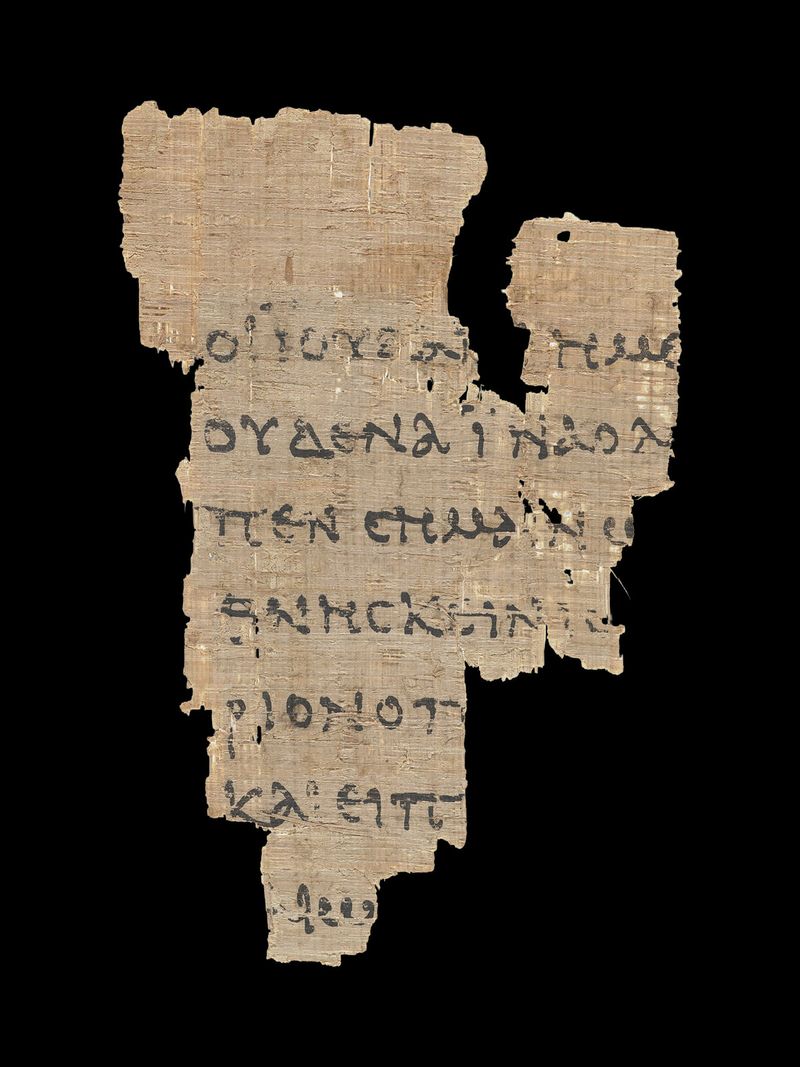
Top PhD programs in New Testament studies: faculty, funding, placement, and honest drawbacks at Yale, Duke, Harvard, Oxford, Cambridge, and more.
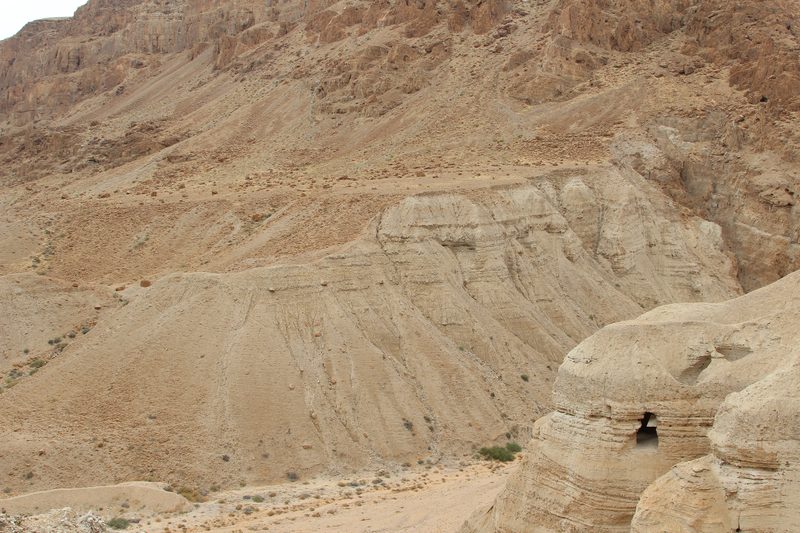
What do the Dead Sea Scrolls reveal about Jewish apocalypticism? A study of the Community Rule, the War Scroll, the light-darkness dualism of Qumran, and how it connects to the New Testament.
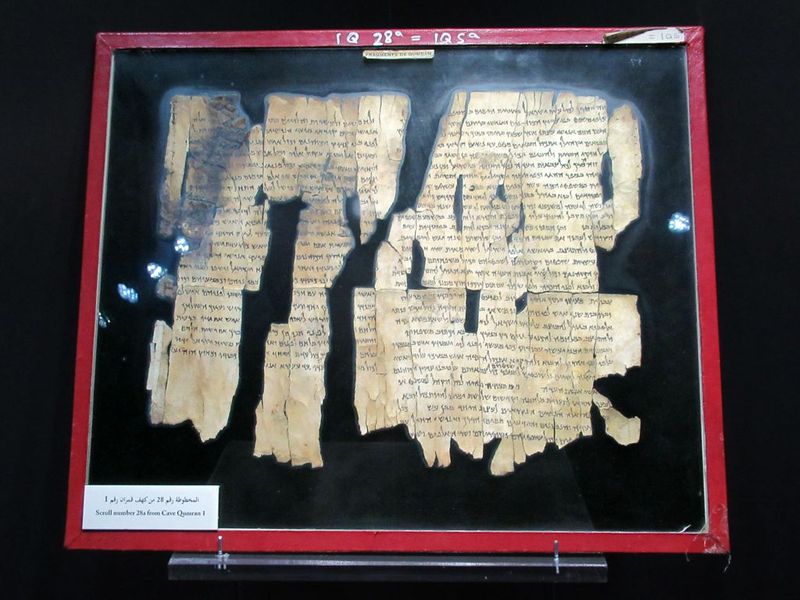
A comprehensive guide to the War Scroll (1QM) from the Dead Sea Scrolls: the 40-year eschatological battle, angelic warfare, priestly liturgy, and what this reveals about Jesus's rejection of violent messianism.
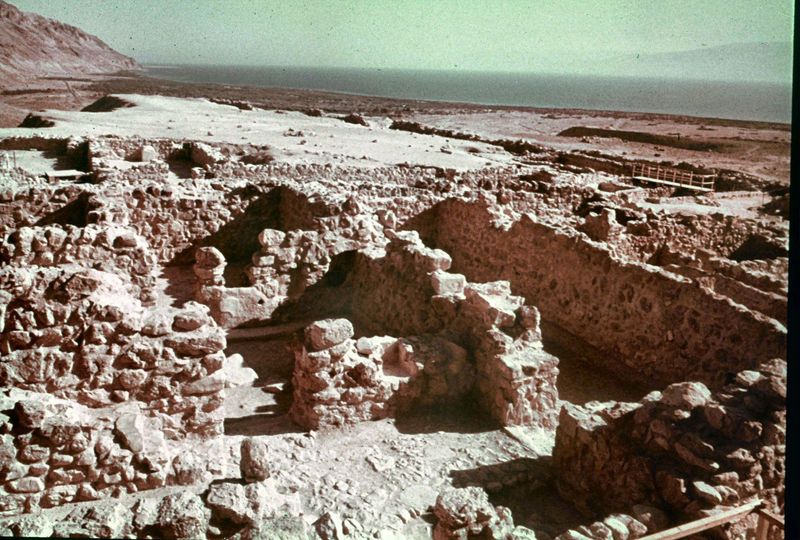
A comprehensive guide to the Essenes, the Jewish sectarian community at Qumran that preserved the Dead Sea Scrolls. Discover their beliefs, practices, and significance for understanding Jesus's world.
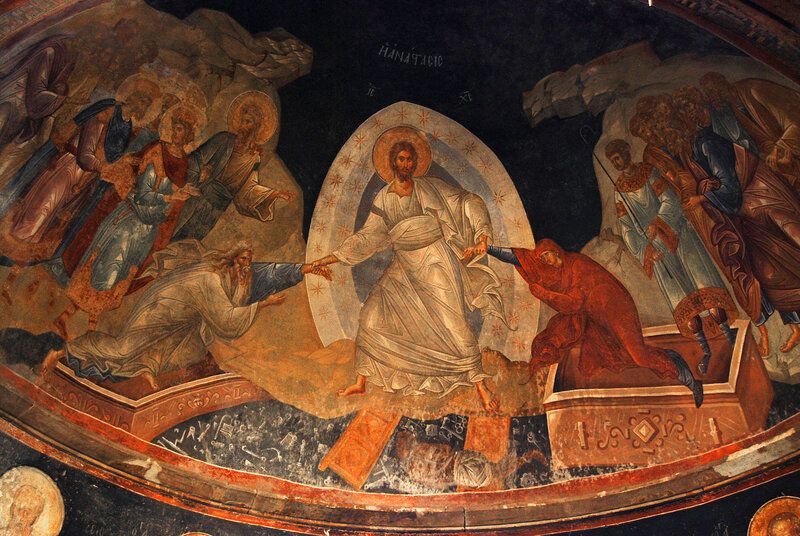
What does John 1:5 mean? A study of the Greek—the present tense of φαίνει, the double meaning of κατέλαβεν, and the already/not yet of eschatology.
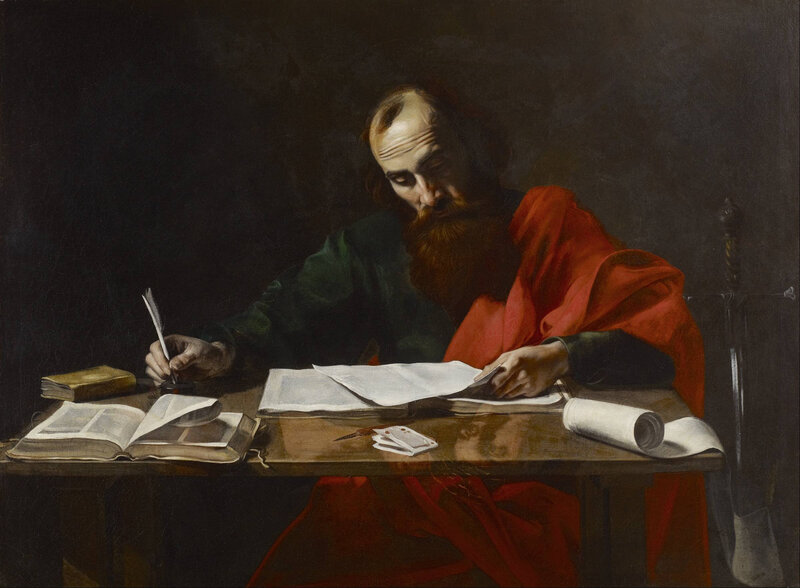
What does Romans 9–11 really teach about election and predestination? This Catholic interpretation engages Thomism, Molinism, Calvinism, and Arminianism — the most comprehensive treatment online.
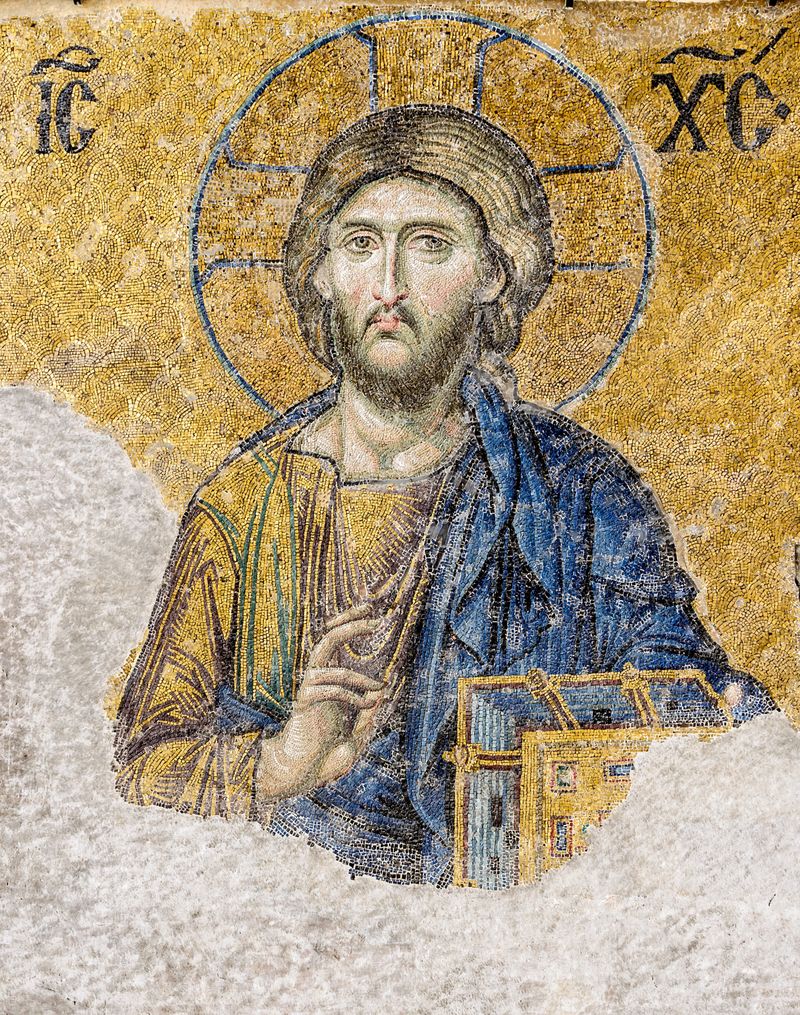
What do John 1:3–4 mean in the Gospel of John? A close reading in the original Greek — the punctuation of ὃ γέγονεν, Incarnation as life in the Word, and Chalcedonian Christology.
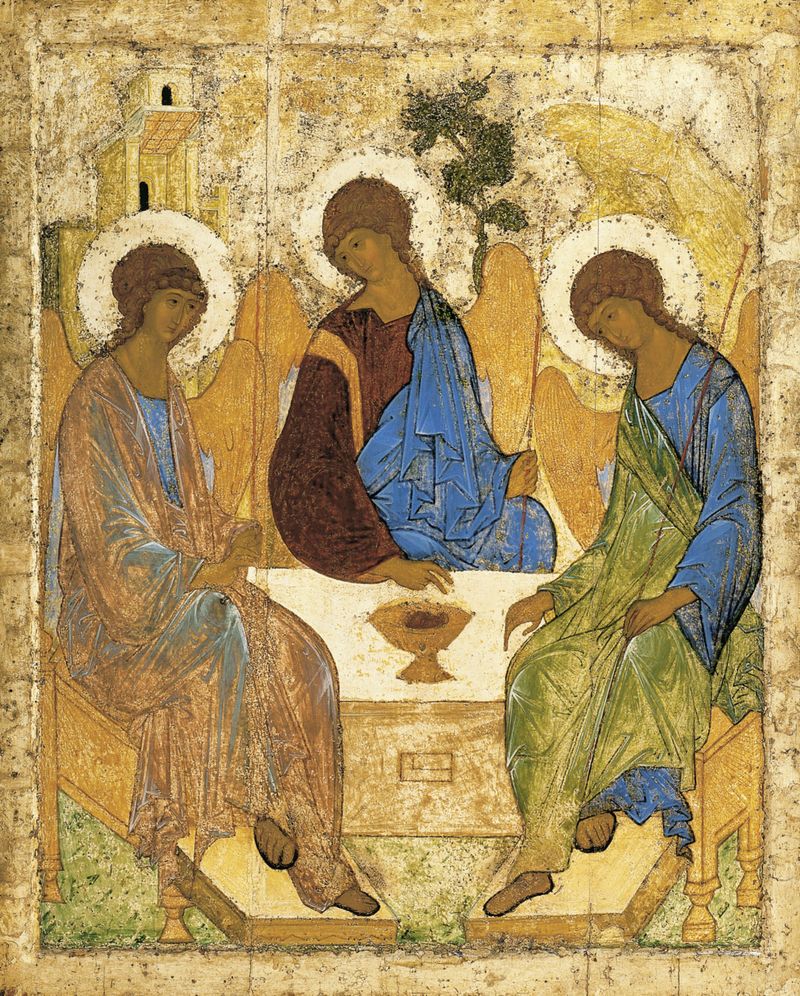
A scholarly glossary of key Greek terms in John 1:1–18 — Logos, theos, sarx, doxa, and more — with theological significance for understanding the Prologue.
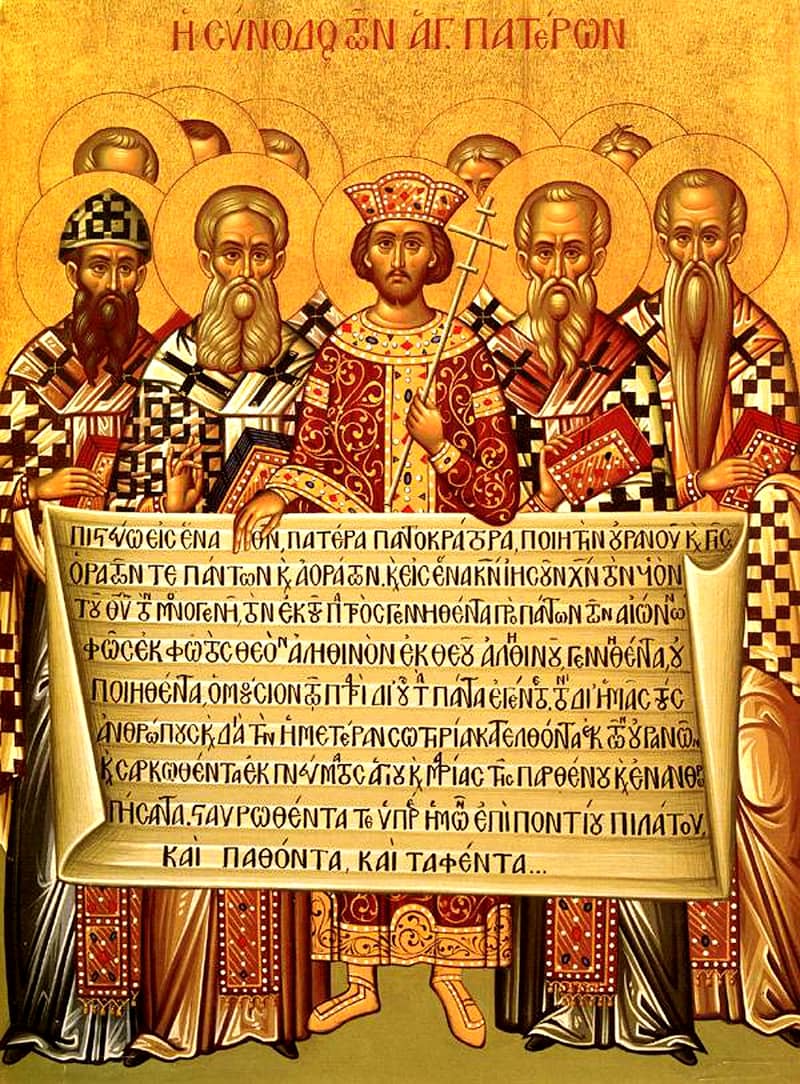
Five major heresies misread John 1: Arianism, Modalism, Adoptionism, Ditheism, and Docetism. Learn what each taught, where they went wrong, and how the Church's response was anchored in the text.
Is Jesus God? A biblical and theological examination of the deity of Christ, from New Testament texts through the Councils, addressing common objections and theological implications.
What does John 1:2 mean? A close reading in the original Greek — why the repetition guards against Modalism and polytheism, and what it reveals about God.

What does bara (בָּרָא) mean in Hebrew? The biblical verb for 'create' in Genesis 1:1 explained — its grammar, its 54 occurrences, why God is its only subject, and what it means for creation theology.
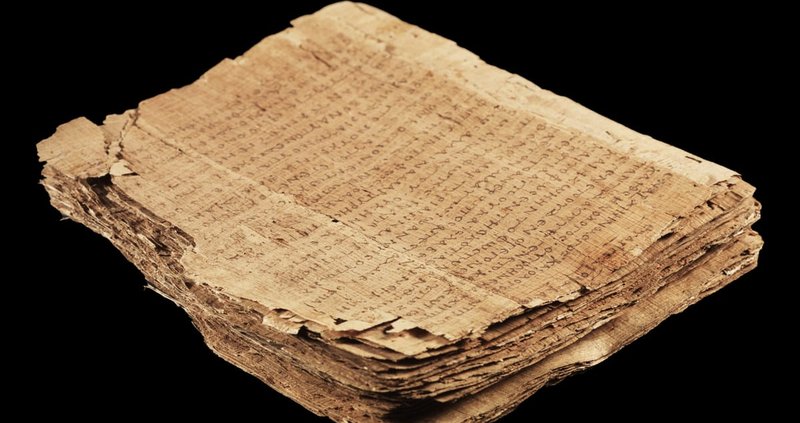
A deep dive into John 1:1 in the original Greek—the Logos, Colwell's rule, Nicene consubstantiality, and why this verse is the whole Gospel.
A Catholic verse-by-verse commentary on the Prologue to John's Gospel (John 1:1–18) — exploring the Greek text, Trinitarian theology, and the Church's doctrinal tradition.

How God progressively revealed himself through Noah, Abraham, and Israel—a Catholic reflection on Catechism §§ 54–64 and salvation history.
Why did God reveal himself gradually? A Catholic reflection on Catechism §§ 51–53 and the divine pedagogy that prepared humanity to receive Christ.
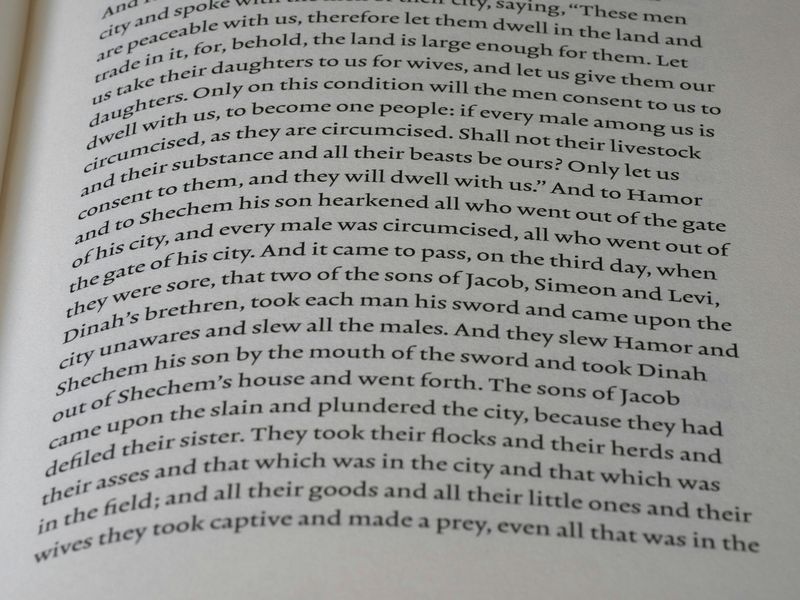
Do contradictions undermine biblical authority? A Catholic look at inerrancy, Dei Verbum § 11, and reading Scripture for the truth it teaches for our salvation.
In this post, I discuss proof-texting and the importance of considering each of the teachings of the faith as part of a unified whole.
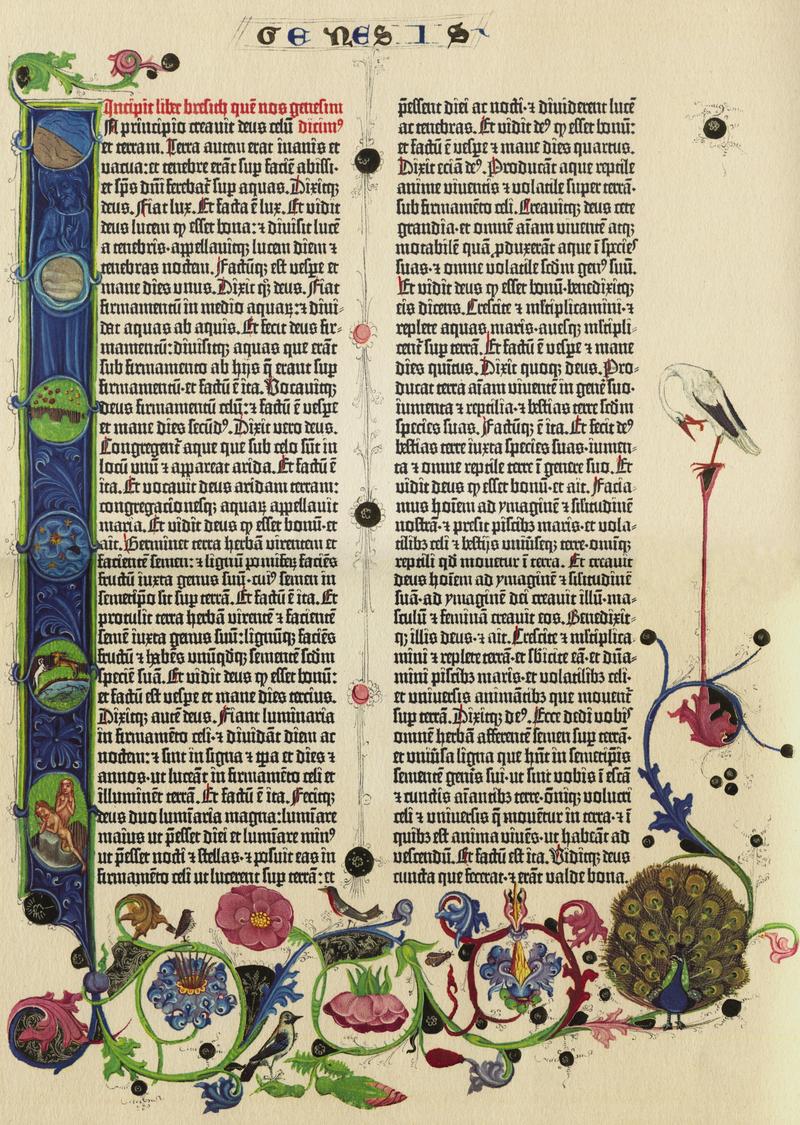
Sola scriptura is logically self-defeating: affirming Scripture alone requires authority outside Scripture. The insight that started my Catholic journey.
Understand divine inspiration and biblical authority. Explore what Scripture inspiration means in Catholic theology and how to interpret the Bible's role.
What does scriptural inerrancy really mean? A Yale Divinity student explores how to define biblical errors, reconcile contradictions, and understand Scripture as a reliable guide for faith.
A critical review of Greg Boyd's Crucifixion of the Warrior God. Boyd's cruciform hermeneutic is promising, but does his reading undermine Scripture's reliability?
Get new writing on faith, law, and service delivered to your inbox.
No spam. Unsubscribe anytime.