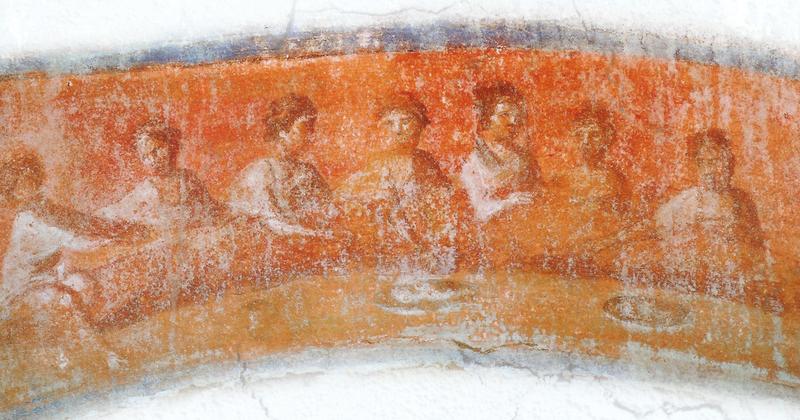
The Apologist Who Believed Too Much
A sophomore apologetics assignment on Justin Martyr's First Apology cost me the church I was raised in. What chapter 66 says about the Eucharist.
· 39 min read
How Christians lived, worshiped, and died before Constantine: the catacombs, the persecutions, the martyr accounts, and what changed when the empire converted.
38 articles in this topic
A sophomore apologetics assignment on Justin Martyr's First Apology cost me the church I was raised in. What chapter 66 says about the Eucharist.

The Didache may be older than the last books of the New Testament, yet no Bible ever carried it. What the earliest church order says, and why it was left out.

Marcellinus, the twenty-ninth pope (296–304), was accused of sacrificing to idols, erased from Rome's oldest calendars, and defended by a council that never met.

Marcellus I, the thirtieth pope (308–309), rebuilt Rome's Church after the Great Persecution and was exiled by Maxentius for making the lapsed do penance.

Miltiades, the thirty-second pope (311–314), lived from the last persecution into Constantine's peace, received the Lateran, and judged the first Donatist trial.

Caius, or Gaius, the twenty-eighth pope (283–296), governed in the long peace before Diocletian's storm—a confessor, not a martyr, whose gravestone survives.

Eusebius, the thirty-first pope (309 or 310), reigned four months before the emperor Maxentius exiled him—and his rival Heraclius—over the fate of the lapsed.

Eutychian, the twenty-seventh pope (275–283): a reign Eusebius counts in months and Rome in years, legends of beans and buried martyrs, and one true stone.

Anterus is the nineteenth pope (235–236): a forty-day reign, probably the first pope laid in the Crypt of the Popes, and a broken Greek epitaph that calls him bishop, not martyr.

Callixtus I is the sixteenth pope (c. 217–222): a former slave, convict, and cemetery administrator whose policy of readmitting grave sinners after penance scandalized the rigorists—and won.

Cornelius, the twenty-first pope (251–253), faced the rigorist antipope Novatian—and staked the Church's authority on its power to forgive the lapsed after penance.

Dionysius, the twenty-fifth pope (259–268): the first pope not venerated as a martyr, who rebuilt Rome after persecution and defined the Trinity before Nicaea.

Eleutherius is the thirteenth pope (c. 175–189)—the deacon who became pope, correspondent of the martyrs of Lyons, and the pope a medieval legend made converter of Britain.

Fabian is the twentieth pope (236–250): a layman chosen when a dove settled on his head, the organizer of Christian Rome, and the first pope whose martyrdom is documented history.

Felix I is the twenty-sixth pope (269–274): a martyr's crown he never earned and a famous letter on Christ he never wrote—both forgeries over one solid fact.

Lucius I is the twenty-second pope (253–254): an eight-month reign spent partly in exile, and a confessor the oldest Roman calendar declines to call a martyr.

Pontian is the eighteenth pope (230–235): the first pope to abdicate, exiled with Hippolytus to the mines of Sardinia—where pope and antipope were reconciled.

Sixtus II, the twenty-fourth pope (257–258): the peacemaker who healed the rebaptism schism, then died under Valerian's sword—a martyrdom Rome wrote down.

Soter is the twelfth pope (c. 166–175), known almost entirely through a letter from Corinth praising Roman charity. His own letter was read at Sunday worship—then lost.

Stephen I is the twenty-third pope (254–257): the rebaptism war with Cyprian, the first surviving papal appeal to the succession of Peter, and a martyrdom the earliest records do not support.

Urban I is the seventeenth pope (c. 222–230). Almost nothing certain is known of his reign—the vivid life is legend—and even his grave is disputed between two catacombs.

Victor I is the fourteenth pope (c. 189–199)—the African who threatened to cut off the churches of Asia over Easter, cut off Theodotus the cobbler for heresy, and marks the papacy's turn to command.

Zephyrinus is the fifteenth pope (c. 199–217), known chiefly through the hostile pen of Hippolytus. His clumsy formulas on the Trinity ended up in Denzinger's collection of the Church's dogmatic declarations.

Anicetus is the eleventh pope (c. 155–166), who received Polycarp of Smyrna and let the Easter-date dispute stand in peace. The martyr title has no early source.

Pius I was the tenth pope (c. 140–154), brother to Hermas of The Shepherd and the bishop under whom Rome expelled Marcion. No early source calls him a martyr.

Hyginus, the ninth pope (c. 138–142), reigned as Valentinus and Cerdo brought Gnosticism to Rome. The martyr title attached to his name has no early source.

Telesphorus is the eighth pope and the first after Peter whose martyrdom rests on a primary source. The Christmas Mass and seven-week Lent later credited to him are another matter.

Sixtus I is the seventh pope—the sixth name on Irenaeus's list. Tradition gave him the Sanctus and a martyr's death; the earliest sources are far more reticent.
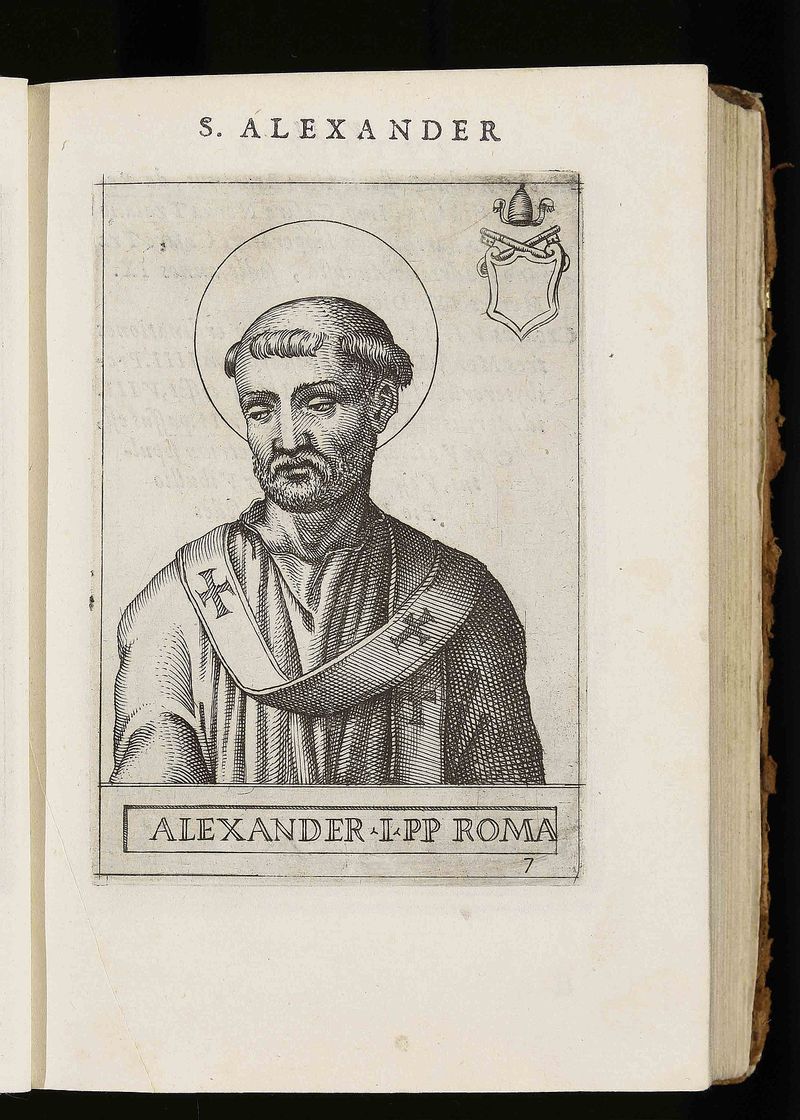
Alexander I is the sixth pope—a name on Irenaeus's list. Tradition gave him holy water and a martyr's death; the earliest sources are far more reticent.
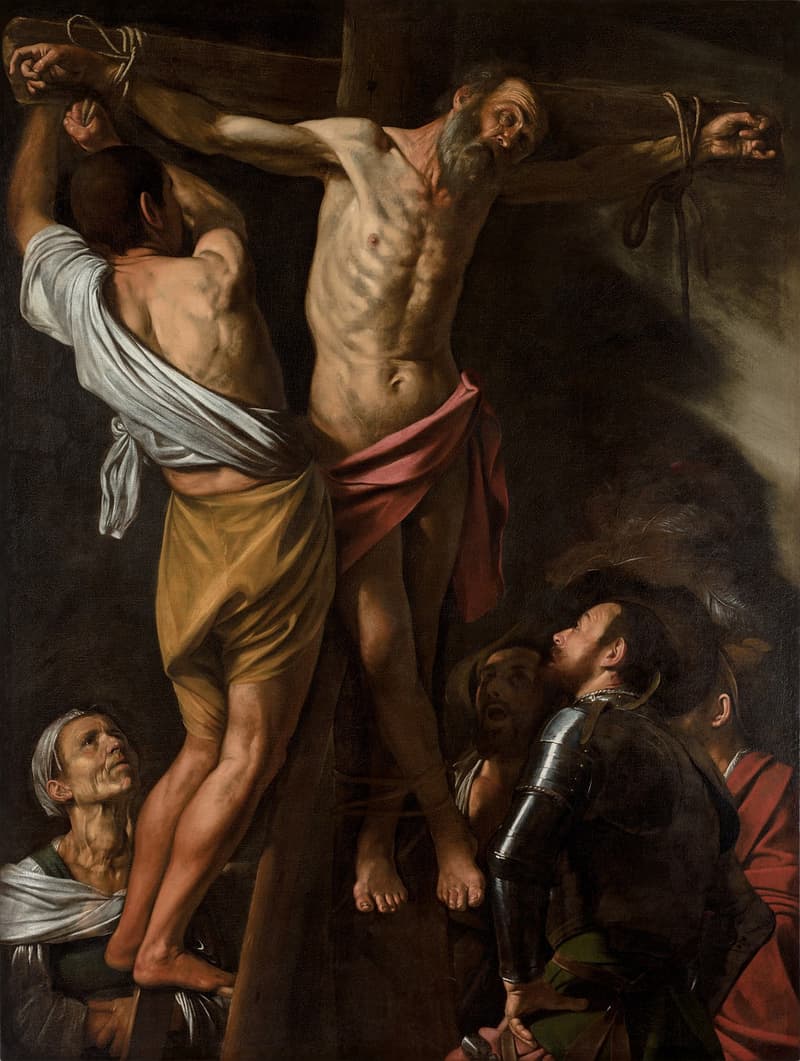
A scholarly account of Saint Andrew the Apostle: New Testament sources, the Patras martyrdom, the saltire X-cross legend, the relics, and Scottish patronage.
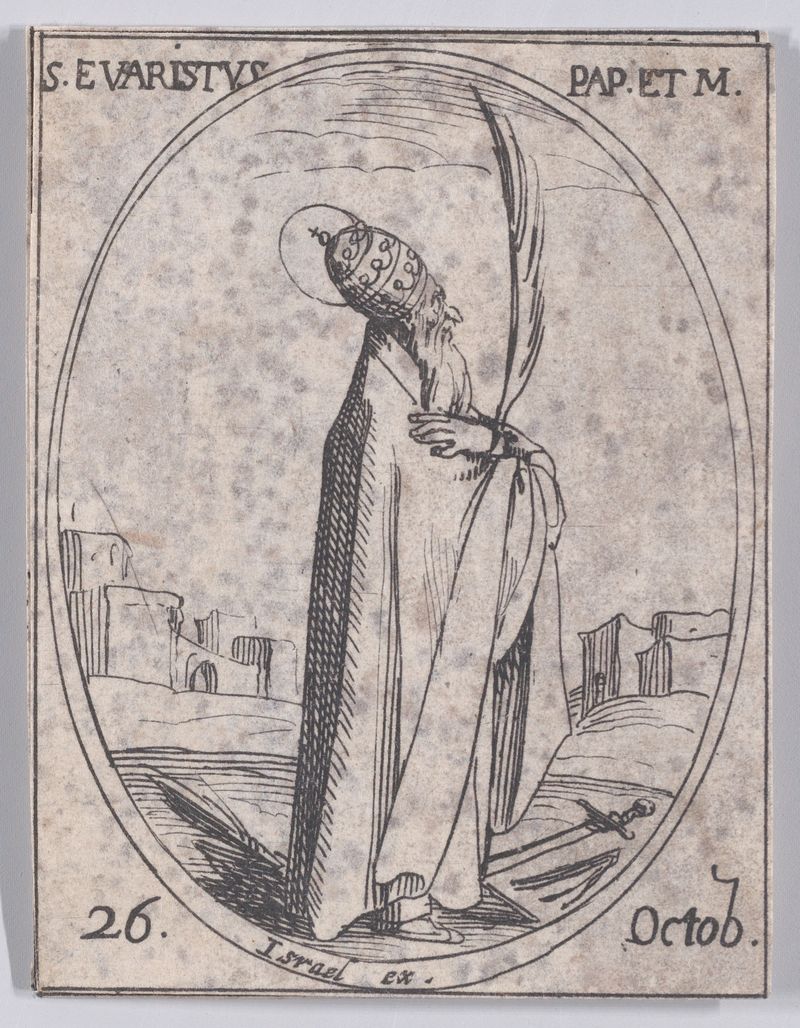
Evaristus is the fifth pope—a name on Irenaeus's list. Here's what the earliest sources actually say, and what the Liber Pontificalis added 400 years later.
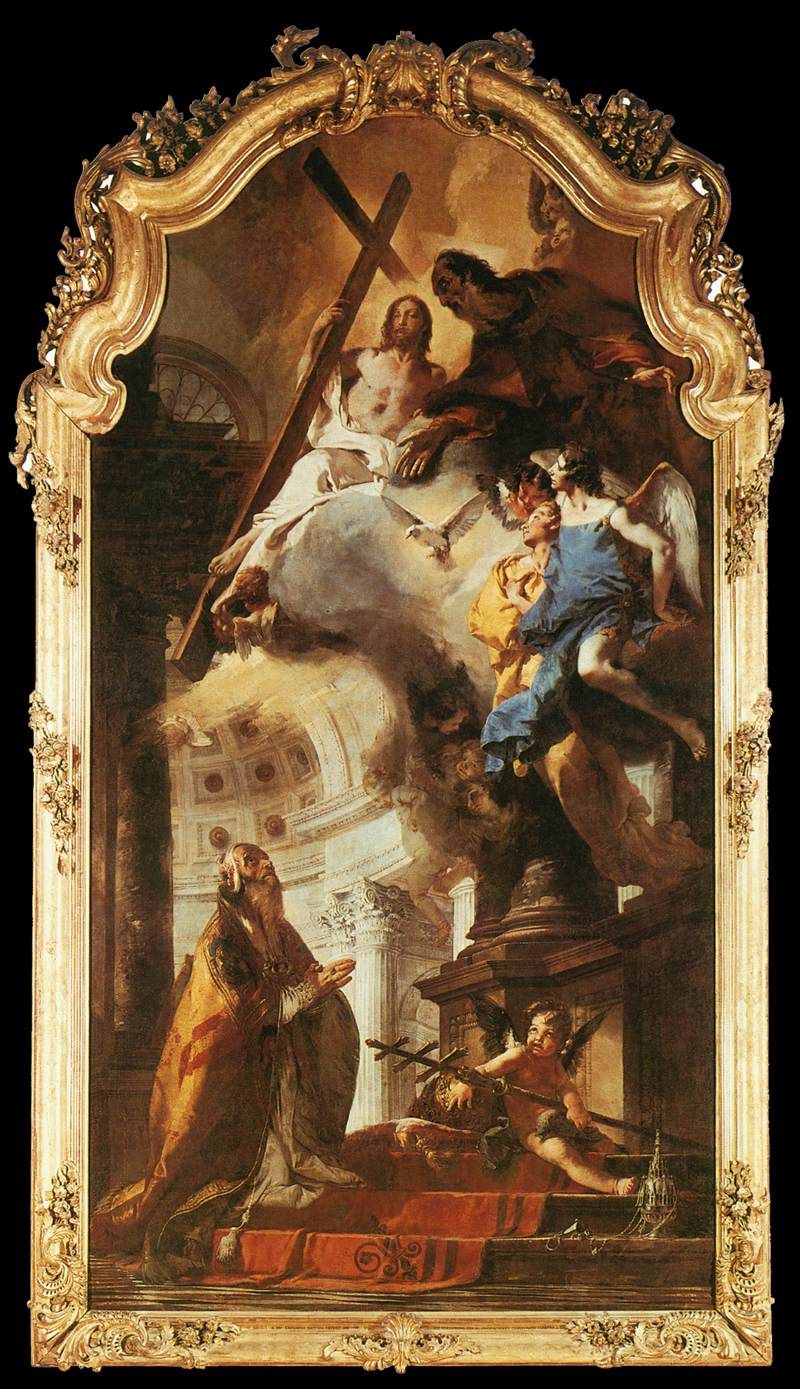
Clement of Rome wrote our earliest post-apostolic Christian letter. His message to Corinth still shapes apostolic succession and Roman primacy debates.
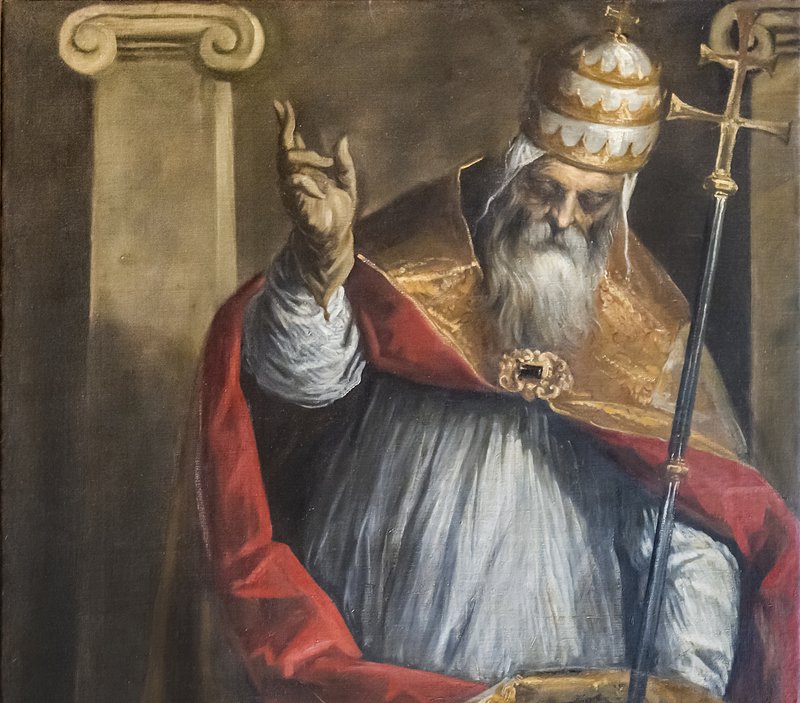
The third Bishop of Rome is named at every Mass, yet almost nothing about him can be verified. The honest history of Anacletus, the pope history can barely see.
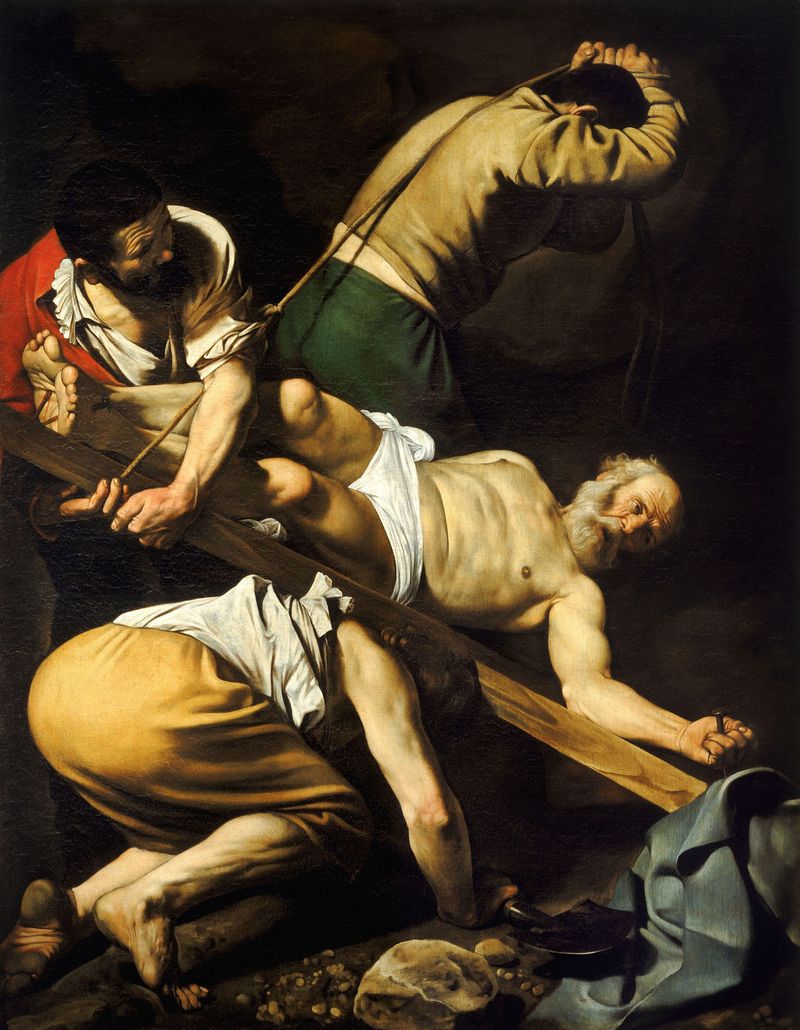
The life of Simon Peter—first among the apostles and first pope—traced through Scripture, the Church Fathers, and modern archaeology at Capernaum and Rome.
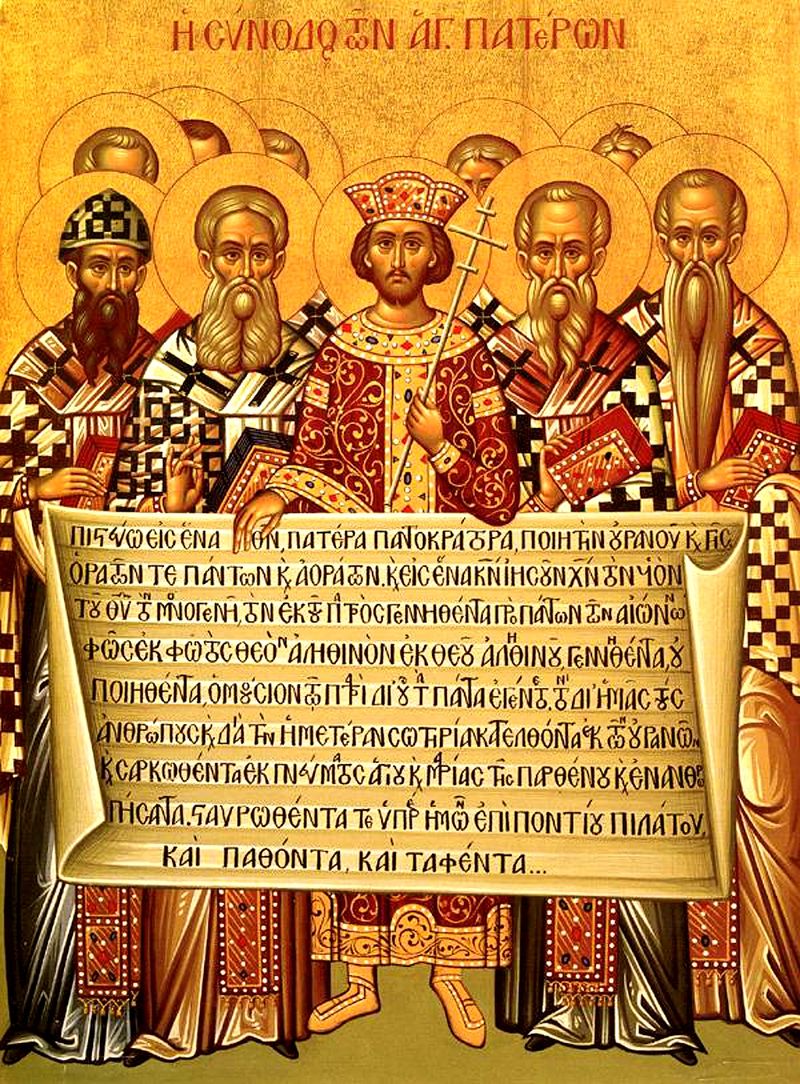
Did Constantine invent Christianity or choose what books went in the Bible? A historian's guide to what Constantine actually did — and didn't do — at the Council of Nicaea.
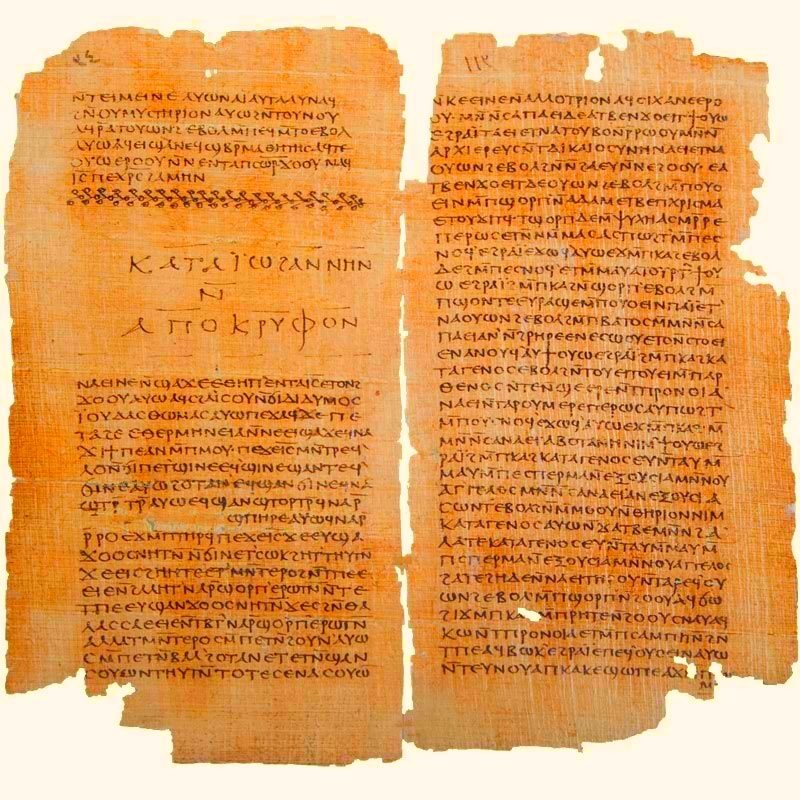
What are the Gnostic Gospels? A Catholic guide to the Gospel of Thomas, Gospel of Philip, Apocryphon of John, and other Nag Hammadi texts—what they say and why they matter.
Get new writing on faith, law, and service delivered to your inbox.
No spam. Unsubscribe anytime.