Matthew 13:24–43: The Weeds, the Mustard Seed, and a Field Left to Grow
A Catholic exegesis of Matthew 13:24–43: the parables of the weeds, mustard seed, and leaven, the Psalm 78 citation, and Augustine’s corpus permixtum.
· 35 min read
Arianism, Gnosticism, Donatism, Nestorianism, and the rest — what each actually taught, why it was attractive, and how the Church answered it.
23 articles in this topic
A Catholic exegesis of Matthew 13:24–43: the parables of the weeds, mustard seed, and leaven, the Psalm 78 citation, and Augustine’s corpus permixtum.

Marcellinus, the twenty-ninth pope (296–304), was accused of sacrificing to idols, erased from Rome's oldest calendars, and defended by a council that never met.

Miltiades, the thirty-second pope (311–314), lived from the last persecution into Constantine's peace, received the Lateran, and judged the first Donatist trial.

Eleutherius is the thirteenth pope (c. 175–189)—the deacon who became pope, correspondent of the martyrs of Lyons, and the pope a medieval legend made converter of Britain.
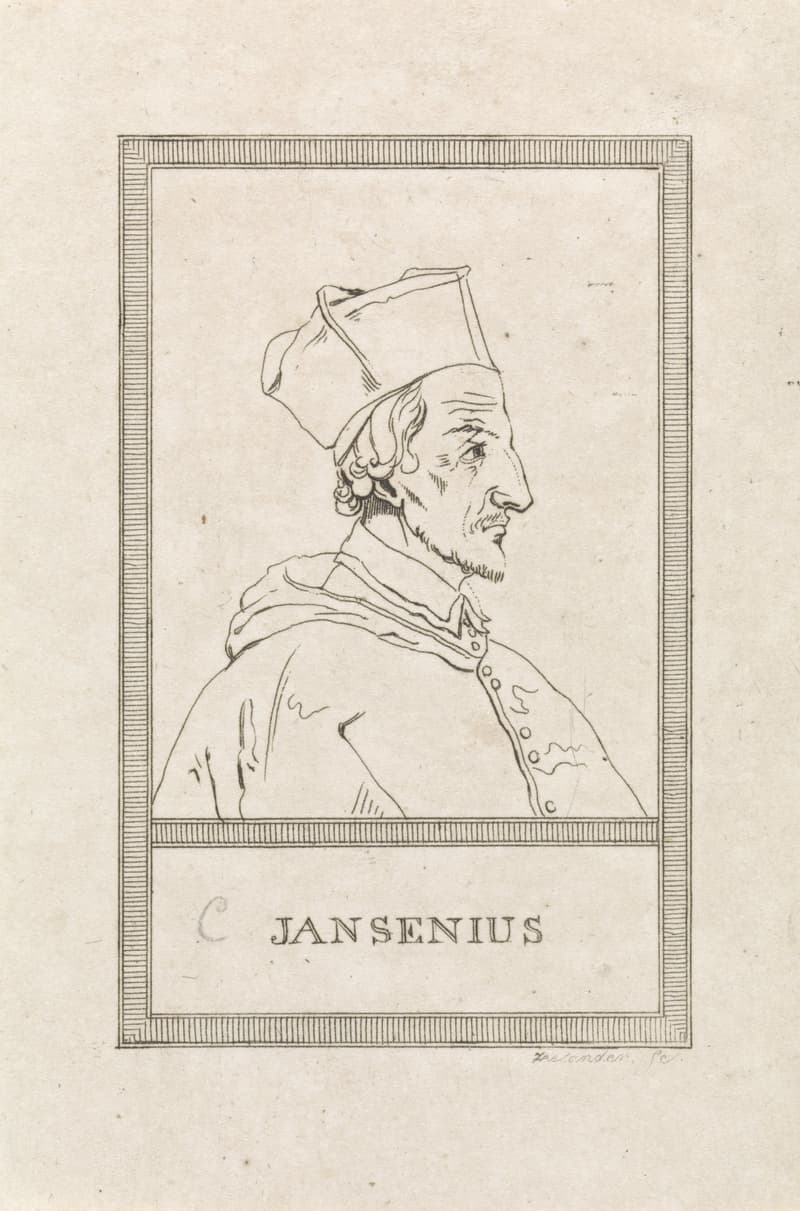
What was Jansenism? The Augustinian movement that became Calvinism in Catholic dress—the five propositions, Port-Royal, Pascal, and why Rome condemned it.

Nestorianism split Christ into two persons and refused to call Mary Theotokos. Here is what Nestorius actually taught, how Ephesus answered, and why the 'Nestorian Church' is misnamed.
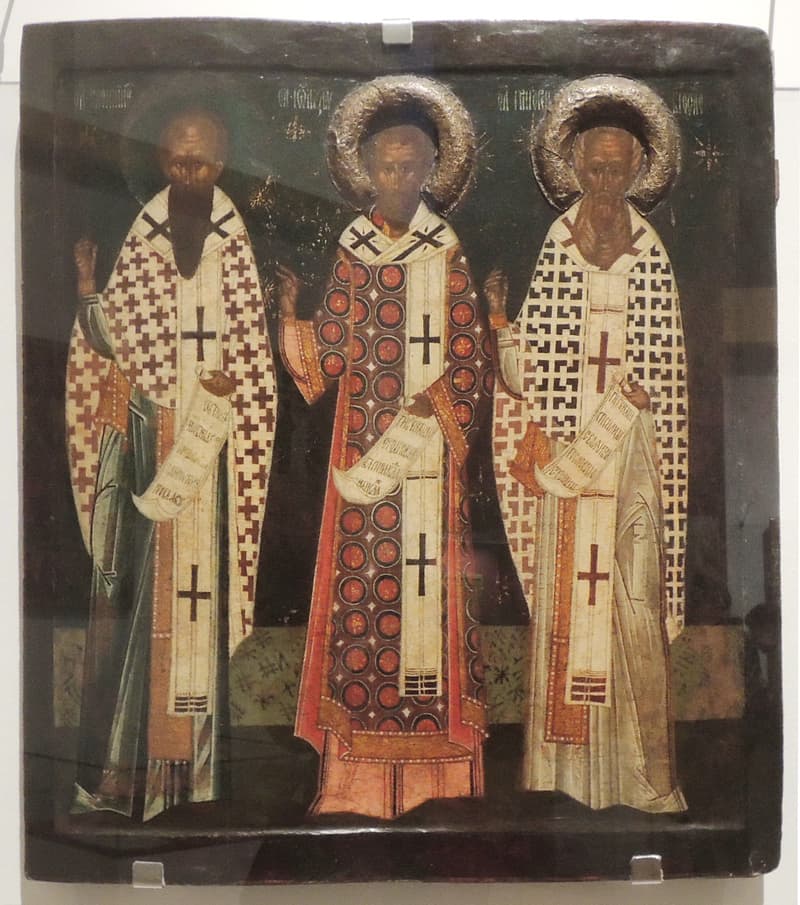
Eunomianism, the radical Arianism of Aëtius and Eunomius, claimed God’s essence could be fully known—and was condemned at Constantinople in 381.
Marcellus of Ancyra fought Arianism so hard he fell into the opposite error—a Trinity that expands and contracts. The Creed's 'no end' clause answers him.
Photinus of Sirmium taught that Christ was a mere man, exalted but not preexistent. His name became the early Church's shorthand for denying the Incarnation.
The Pneumatomachians ('Spirit-fighters') denied the Holy Spirit's divinity. Their challenge produced the third article of the Creed at Constantinople in 381.

Pius I was the tenth pope (c. 140–154), brother to Hermas of The Shepherd and the bishop under whom Rome expelled Marcion. No early source calls him a martyr.

Hyginus, the ninth pope (c. 138–142), reigned as Valentinus and Cerdo brought Gnosticism to Rome. The martyr title attached to his name has no early source.
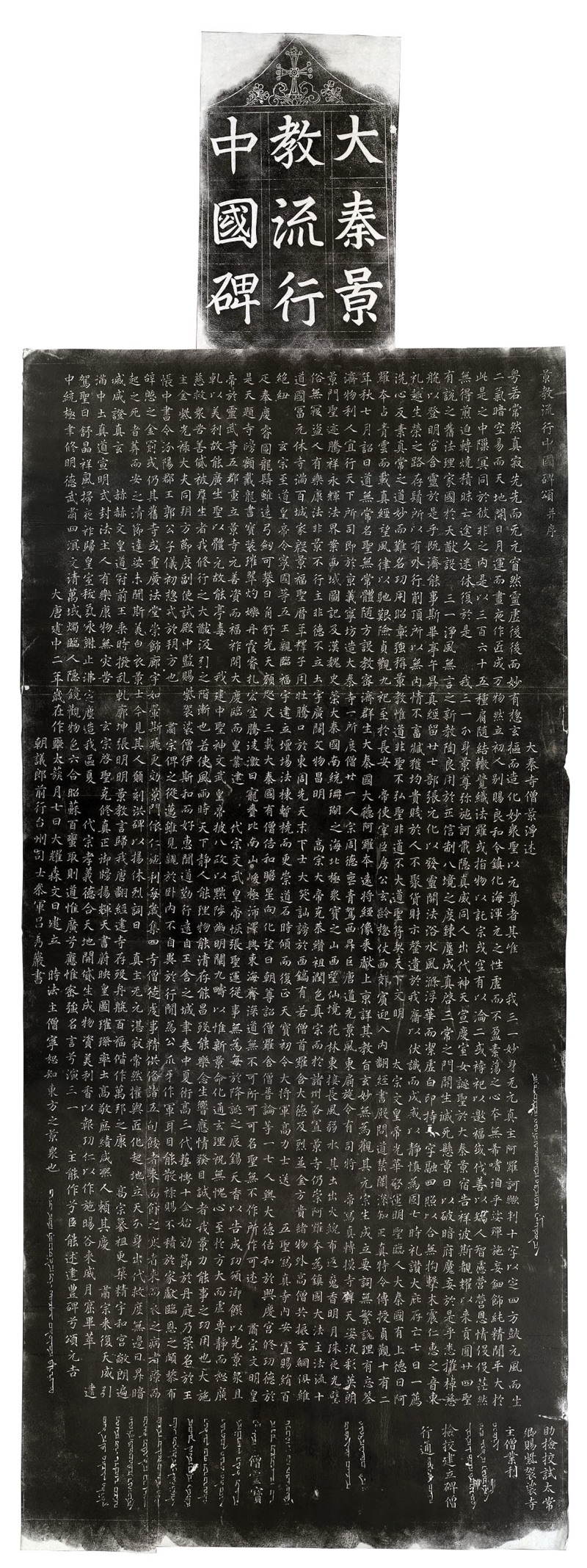
Christianity’s fourth apostolic branch—Mesopotamia to China. Apostolic origins, the 431 Christological controversy, missionary expansion, and witness today.
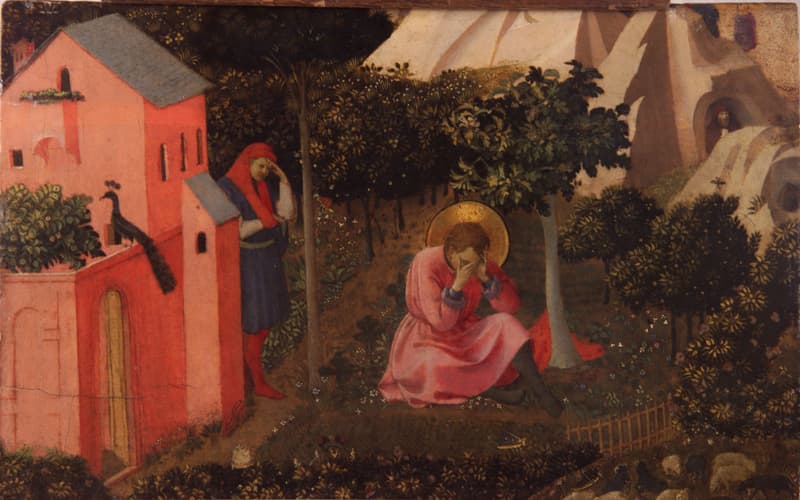
Donatism, the fourth-century heresy that rejected sacraments from sinful clergy—and Augustine's ex opere operato answer, which still refutes it today.
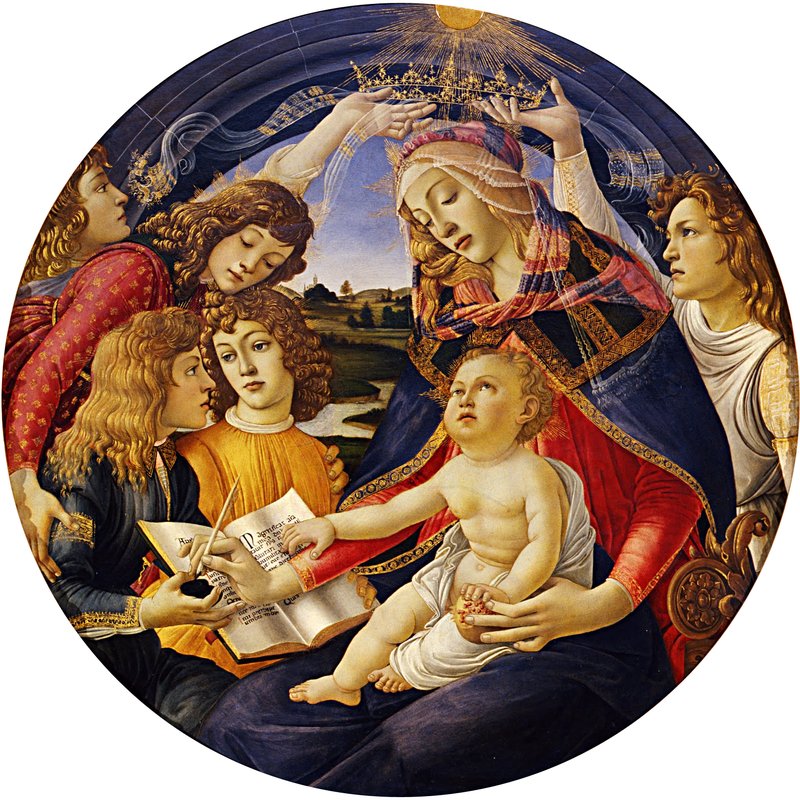
A charitable Catholic case for Marian devotion, answering Protestant objections from Scripture, the Fathers, and the Reformers themselves.
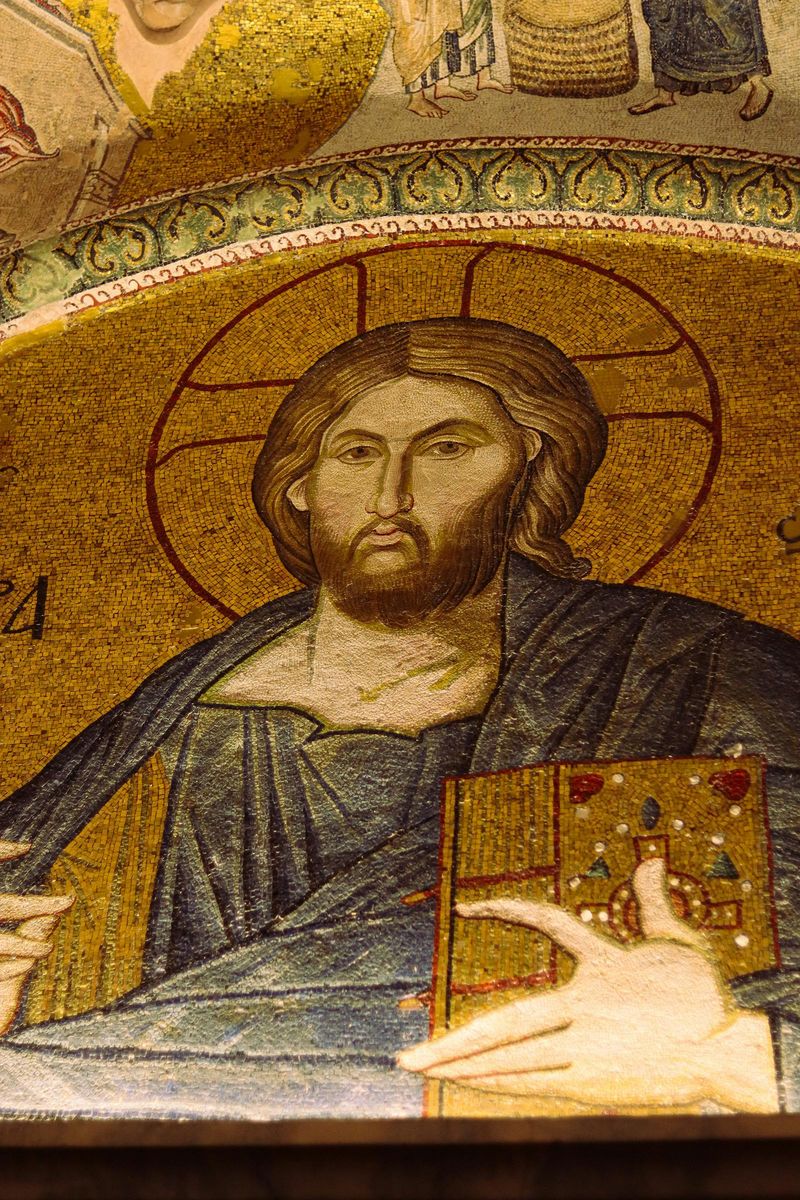
What is Arianism? A Catholic guide to the Arian heresy — what Arius actually taught, why it was condemned at Nicaea, and why the debate over Christ's divinity still matters.
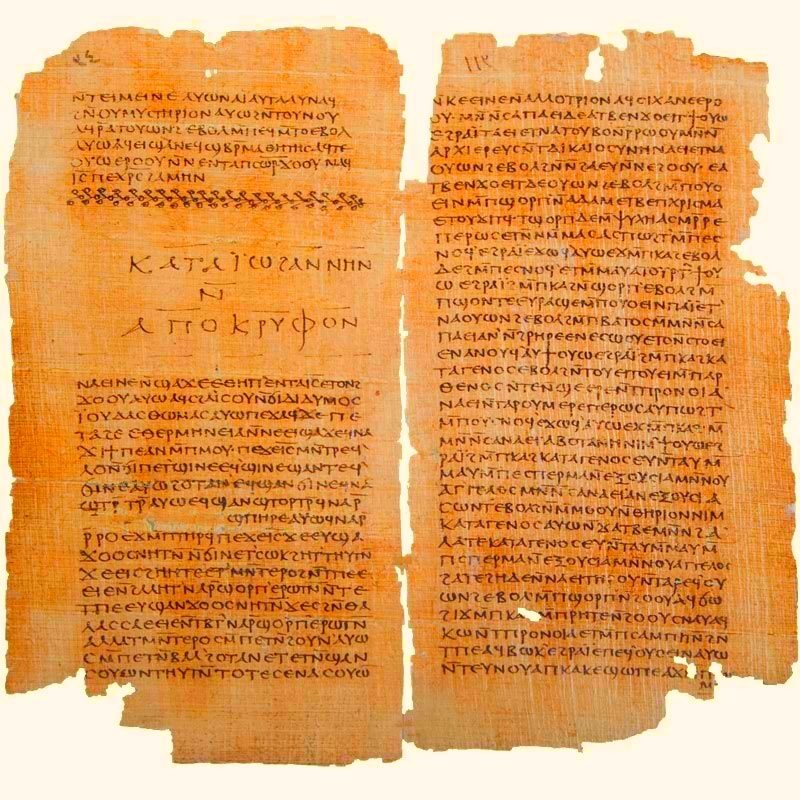
What are the Gnostic Gospels? A Catholic guide to the Gospel of Thomas, Gospel of Philip, Apocryphon of John, and other Nag Hammadi texts—what they say and why they matter.
How does Gnosticism differ from Christianity? A Catholic comparison of their views on God, creation, Jesus, salvation, scripture, and the body—and why it matters today.
What is Gnosticism? A Catholic guide to proto-Gnostic currents, the 2nd-century systems, the Nag Hammadi texts, and the Church Fathers' response through canon, creed, and doctrine.
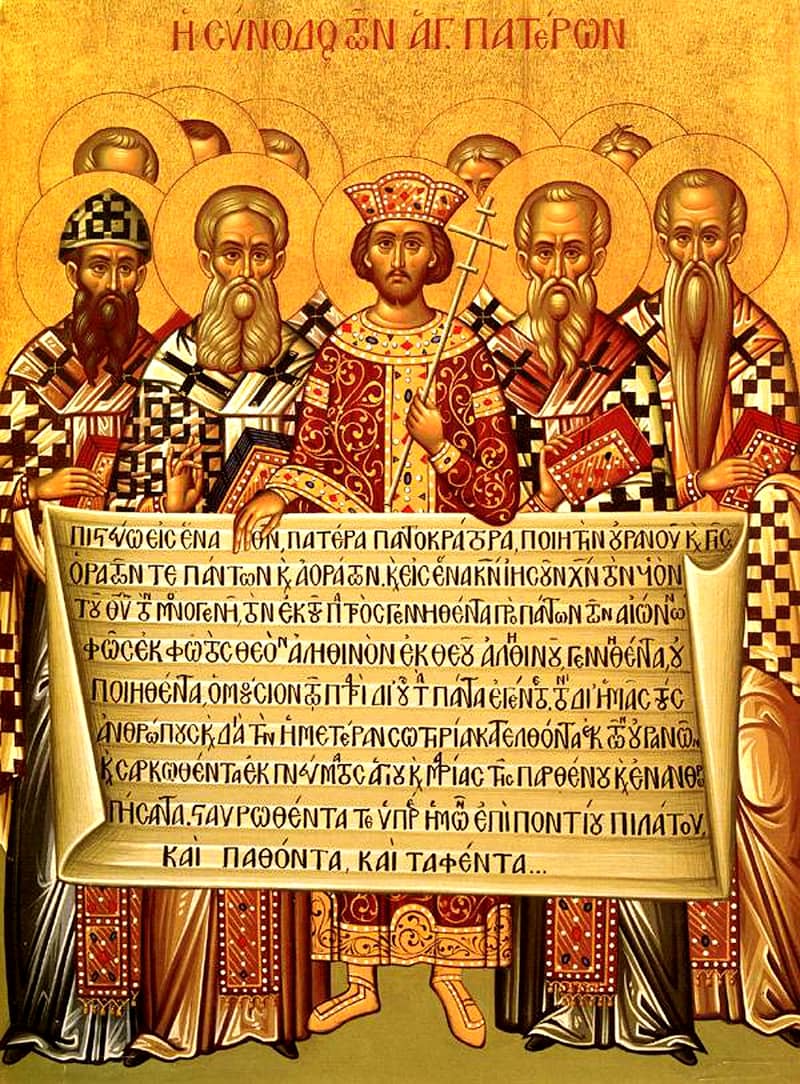
Five major heresies misread John 1: Arianism, Modalism, Adoptionism, Ditheism, and Docetism. Learn what each taught, where they went wrong, and how the Church's response was anchored in the text.
What is Modalism? A Catholic examination of the heresy that denied the real distinction of Father, Son, and Spirit — its origins, key proponents, and why the Church condemned it.
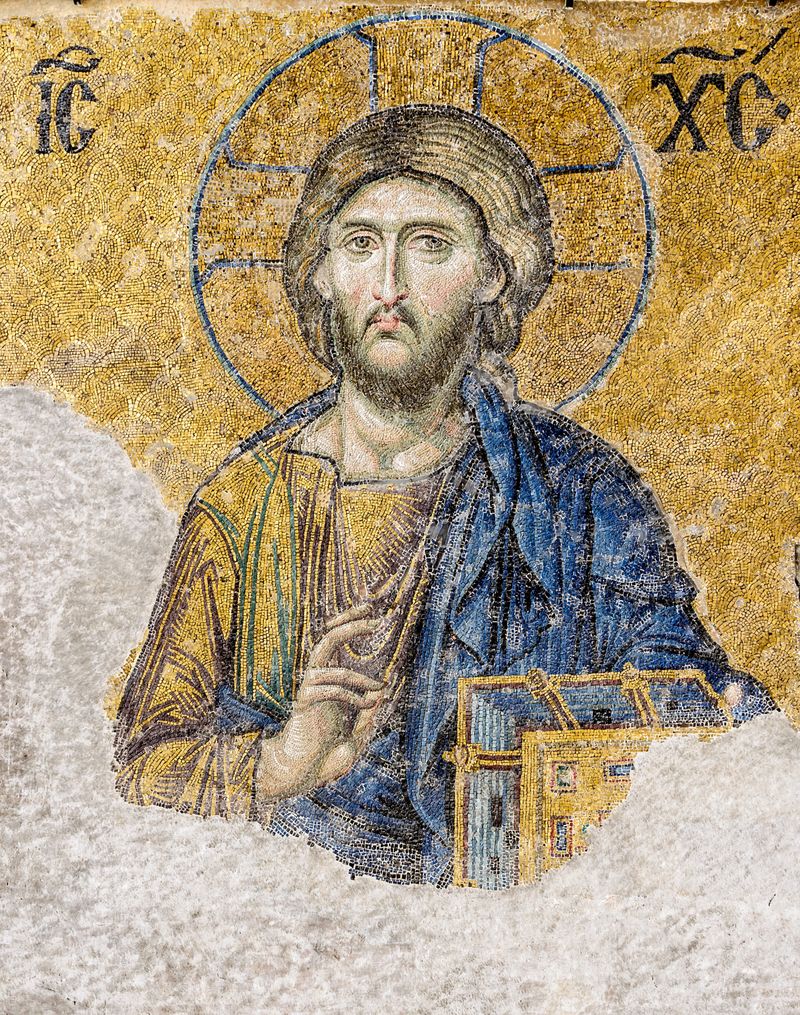
Apollinarius of Laodicea denied that Christ had a human rational mind, replacing it with the divine Logos. Gregory of Nazianzus's devastating reply—'what is not assumed is not healed'—sealed the condemnation at Constantinople I (381).
Get new writing on faith, law, and service delivered to your inbox.
No spam. Unsubscribe anytime.