
The Article 32 Preliminary Hearing
How the Article 32 preliminary hearing works after the FY 2014 and FY 2015 NDAA reforms — narrower scope, paper-based practice, waiver, and the OSTC interaction.
· 9 min read
Defending constitutional principles and individual rights. Due process, property rights, estate planning, and the legal framework that protects freedom.
The rule of law is the foundation of a free society. Without it, rights are just words on paper. This section contains over 145 articles covering constitutional principles, estate planning, business law, intellectual property, military justice, and the legal framework that protects individual liberty.
Much of this content comes from my years of legal practice in Arkansas — from estate planning and probate to trademarks and business formation. You'll also find articles on appellate procedure, the court-martial process, and the professional responsibilities of judge advocates, drawn from my experience as a JAG officer in the U.S. Army and Air Force.
Start here: If you're looking for estate planning guidance, begin with the Complete Estate Planning Guide, which organizes all wills, trusts, and probate content into a single roadmap. The per stirpes guide is the most popular article on the site. For broader legal topics, browse the full collection below.
How the Article 32 preliminary hearing works after the FY 2014 and FY 2015 NDAA reforms — narrower scope, paper-based practice, waiver, and the OSTC interaction.

Delaware's irrevocable-proxy doctrine after Hawkins, Daniel, and CII Parent — what § 212(e) drafters need to do differently in 2026.

Modern per stirpes divides at the first generation with a living heir. Worked diagrams, classic vs. modern comparison, and a state-by-state breakdown.

Can AI-generated works be copyrighted? The Copyright Office denies purely AI output protection but allows AI-assisted works with human creative control. Full 2026 guide to the case law, USCO guidance, and AI-training fair use rulings.

The first sale doctrine (17 USC § 109) lets you resell, lend, or gift copies you lawfully own — but digital files and licenses complicate the rule.

What is a patent? Learn how U.S. patent law protects inventions, the three types of patents, and the requirements for obtaining patent protection.

Apparent authority allows an agent to bind a principal even without actual authorization — if the principal's conduct reasonably led the third party to believe the agent was authorized.

An agent who acts without actual authority breaches the implied warranty of authority and may be personally liable to the third party for resulting damages.
The distinction between disclosed, unidentified, and undisclosed principals determines who bears liability when an agent enters a contract on a principal's behalf.

A comprehensive guide to estate planning in Arkansas covering wills, trusts, probate, inheritance, and tax strategies — written by an Arkansas attorney.

A former JAG officer with six years of service breaks down what's actually wrong with the military justice system, why Hegseth's diagnosis is correct, and what real JAG Corps reform should look like.

We must awaken the courage that has defined the American ethos for generations, or we may forever lose the founder’s legacy.
Why due process is the bedrock of American freedom — and what happens when we trade constitutional rights for political convenience.

In this post, I discuss finally being able to get in the courtroom in the fourth week of JASOC.

JASOC Week 3: Master military administrative discharge procedures, board processes, and insider tips from an Air Force JAG officer. Learn what to expect.

Why probable cause is a binding standard in military justice — not a suggestion — and why prosecutors who ignore it commit legal malpractice. A JAG officer's memorandum.

Learn how the cy pres doctrine allows courts to modify charitable trusts and nonprofits, plus the rules governing nonprofit dissolution and asset distribution.
In this post, I discuss some considerations when founding a nonprofit organization, including choosing the organization's form.

In this post, I discuss the basics of nonprofit organizations, why they are necessary, and the essential role they play in our society.

In this post, I discuss the specialized rules of professional conduct governing judge advocates practicing law in the military.

In this post, I discuss the unique rules of professional responsibility imposed on judge advocates practicing within a military context.
How the court-martial process works—from preferral and Article 32 hearings to trial, sentencing, and post-trial review—updated for post-2023 UCMJ reform.

In this post, I discuss unlawful command influence and the issue it poses for the military justice system.

In this post, I provide an overview of the unique characteristics of the military court system, including its trial and appellate courts.
In this post, I discuss how the Arkansas Supreme Court is fighting frivolous lawsuits by sanctioning those who file frivolous appeals.
Five common misconceptions about Burwell v. Hobby Lobby (2014) — the Supreme Court's RFRA-based ruling on contraceptive-mandate accommodations for closely held for-profit corporations.

In this post, I discuss the stay pending appeal and how it can prevent the enforcement of a judgment until the final resolution of the appeal.

How federal courts ask the Arkansas Supreme Court to answer unsettled state-law questions — when certification is allowed, what the order must contain, and how briefing works.

In this post, I discuss the mandate in the Arkansas appellate process and its usefulness in enforcing the result of an appeal.

In this post, I discuss the record on appeal, what is required, and the important role it plays in the Arkansas appellate practice.

In this post, I discuss the place of oral arguments in Arkansas appellate practice, including when they may occur and when they may not.

How amici curiae briefs work in Arkansas appellate practice under Rule 4-6—who can file, what deadlines apply, and why friend-of-the-court briefs matter.
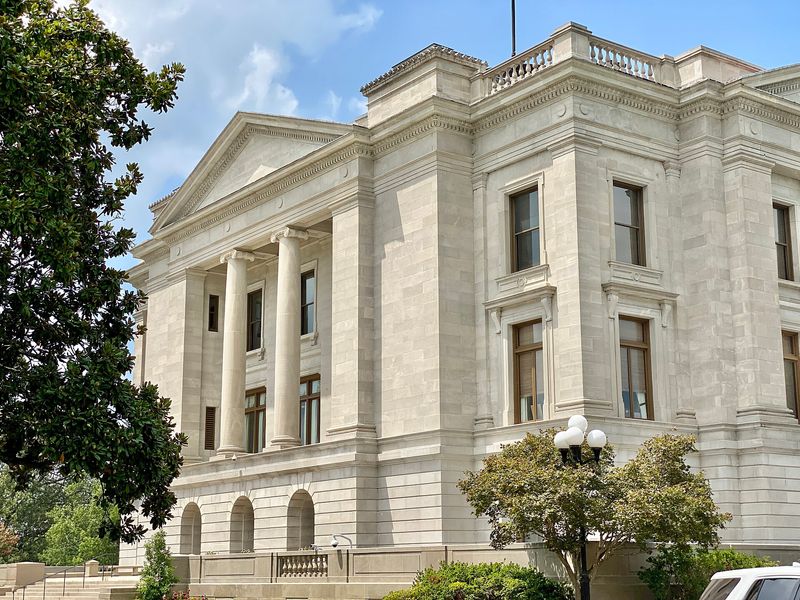
Deadline to file the record on appeal in Arkansas: 90 days for appeals, 30 days for interlocutory orders. Learn when extensions are granted.
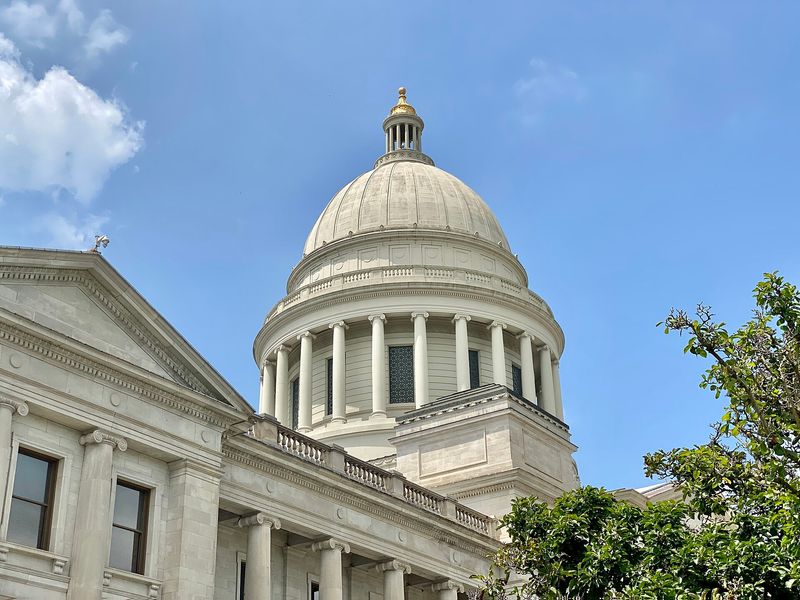
The deadlines for filing an appeal in Arkansas are strictly enforced. Learn the key filing windows and exceptions available under the Arkansas Rules of Appellate Procedure.
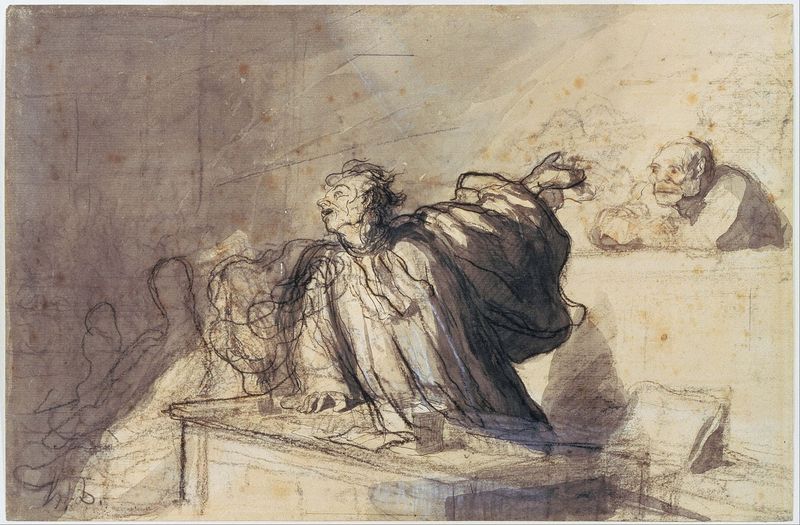
How to file a civil appeal in Arkansas — the brief filing schedule, page-and-copy requirements, the strict appellant/appellee/reply timeline, and the Clerk of the Court's discretionary extensions under the Arkansas Rules of Appellate Procedure.

Copyright protection attaches automatically the moment an original work is fixed in a tangible form under the Copyright Act of 1976. This post explains why registration and copyright notice still matter even though neither is required for protection to exist.

In this post, I discuss how to conduct a copyright search to discover what works have taken advantage of the protections of registration.

In this post, I discuss the requirements for maintaining a trademark after registration, including the filing requirements to keep it protected.

The USPTO doesn't require an attorney for trademark applications, but errors can mean denial and lost fees. A lawyer can run searches, handle Office Actions, and protect your mark.

Trademarks protect goods while service marks protect services, but both receive identical legal protection. Correctly classifying your mark matters when filing with the USPTO.

The Copyright Act requires two copies of every published work to be deposited with the Library of Congress within three months — even if you don't register the copyright.

U.S. copyright law protects foreign works under nine specific conditions tied to the Berne Convention and treaty obligations. Registration is still recommended regardless.

How long copyright protection lasts under U.S. law — the post-1978 life-plus-70 rule, the 95/120 rule for works for hire and anonymous works, and the patchwork of pre-1978 renewal rules.

Copyright Fair Use

What is a copyright? Learn how the Copyright Act of 1976 protects original works and grants authors exclusive rights to reproduce, distribute, and display them.

In this post, I discuss my experience during week 6 of the Army JAG School, particularly the “brief the commander” exercise.
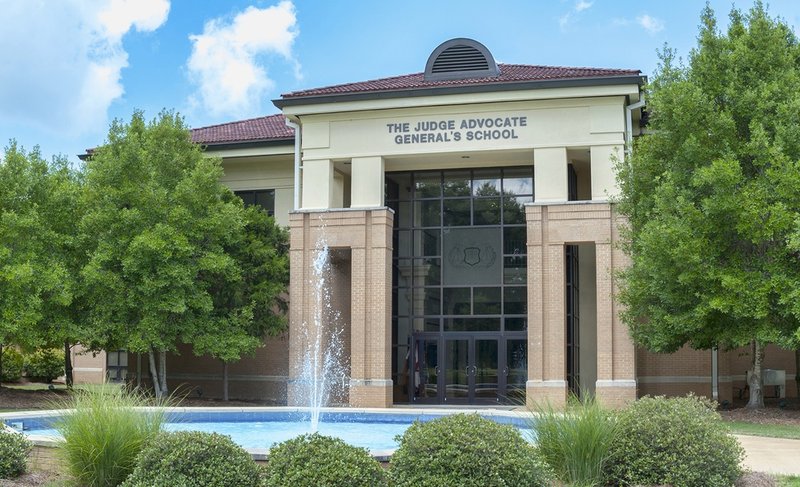
A look at the contract and fiscal law block during Week 5 of the Army JAG School, including the daily commander-email exercises.

Week 2 at the Army JAG School eases into the academic routine and begins the military justice block of instruction.

In this post, I discuss the process and benefits of copyright registration and how it can provide greater protections to your intellectual property.

Filing a notice of appeal in Arkansas requires six specific elements — from identifying the parties to ordering transcripts. Missing deadlines or elements can forfeit your appeal.

In this post, I discuss the petition for review in Arkansas appellate law.

The Arkansas Supreme Court has original jurisdiction over constitutional cases, death penalty appeals, and attorney discipline matters.

The Basis for a Trademark Application

After filing with the USPTO, your trademark application faces examiner review, possible office actions, and publication for opposition. The full process typically takes 12 to 18 months.
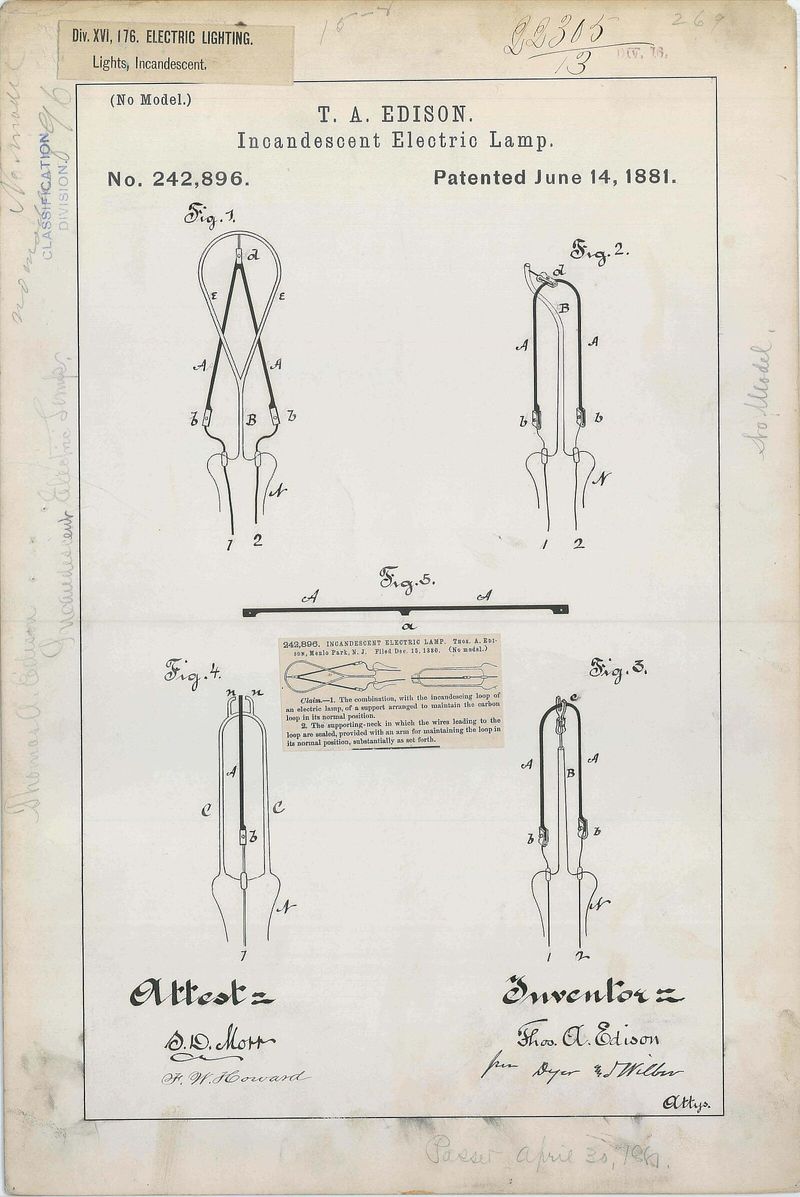
An overview of the three core forms of U.S. intellectual property protection — trademarks, copyrights, and patents — what each protects, what each does not, and how they fit together for a single product or business.

In this post, I discuss the process and requirements of registering your trademark, a great way to protect your intellectual property.

Arkansas Rule 2 lists 13 categories of circuit court decisions appealable as of right plus one discretionary category for privilege-related discovery disputes.

Agency law governs when one person may act on behalf of another. How actual authority, apparent authority, ratification, and estoppel create binding obligations.
When is an agent personally liable to a third party? Liability depends on whether the principal is disclosed, unidentified, or undisclosed.

[
Courts can disregard your LLC or corporation's liability protection when personal and business affairs are intermingled. Undercapitalization and ignoring formalities are key factors.

Partnership tax allocation, basis, and distribution explained. Partners owe tax on allocated profits — not just distributions they actually receive.

Partnerships avoid double taxation by passing income through to partners. The IRS 'check the box' rules let unincorporated businesses choose their own tax classification.

The business judgment rule protects company directors and officers from liability for good-faith business decisions. Learn how it works.
An agent owes fiduciary duties of loyalty and care to the principal. In partnerships, these duties apply to every partner — and they cannot be waived by agreement.
In this post, I discuss the directors’ duty of loyalty to the company they manage and how this may interact with potential legal liabilities.
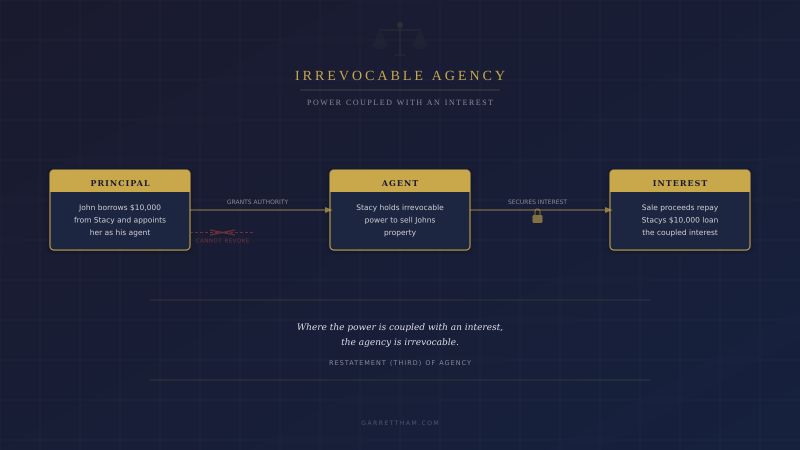
What is irrevocable agency? Learn why a power coupled with an interest cannot be revoked, how common law protects it, and when it applies to your situation.

An LLP shields partners from liability for each other's wrongful acts, making it popular for law firms and medical practices. Here's how LLPs compare to LLCs and corporations.

Limited partnerships separate management from investment — general partners run the business with personal liability while limited partners contribute capital with liability protection.

Shareholders can sue corporate management on behalf of the corporation through derivative suits. Standing requires contemporaneous ownership and a demand on directors first.

Shareholders own the corporation but directors wield the power. In public companies, directors are not obligated to follow shareholder wishes — elections are the main recourse.

How agency relationships are created (often without a writing) and how they end—through revocation, renunciation, death, or operation of law.
A 2013 guest-post analysis of the Marketplace Fairness Act and the debate over collecting state sales tax from out-of-state online retailers. Updated 2026 to reflect the post-Wayfair economic-nexus regime that has since rewritten this area of law.
Corporations distribute profits through cash and stock dividends, but insolvency rules limit when dividends can be paid. C Corporation dividends face double taxation at reduced rates.

In this post, I discuss the power of appointment and specifically discuss the difference between general and special powers.

[
[
Charitable trusts must benefit an indefinite class of the public and are exempt from the Rule Against Perpetuities. The cy pres doctrine lets courts modify purposes that become impossible.

A corporation is a separate legal entity that shields shareholders from personal liability but faces double taxation. S Corporation election offers pass-through tax treatment instead.

A good business lawyer helps entrepreneurs achieve their goals through risk mitigation — not by simply saying no. The attorney's role is to find workable paths forward.

Creating a trust requires intent, a transfer of property, and identifiable beneficiaries. For real property, a written instrument is necessary. Here's what the process involves.

Family limited partnerships reduce estate tax through valuation discounts on gifted interests that lack control and marketability — leveraging the annual exclusion to move wealth out of larger taxable estates.
In this post, I discuss family limited partnerships and the potential tax benefits they may offer for business and estate planning alike.

What happens when a will beneficiary dies before the testator? Learn how anti-lapse statutes, class gifts, and contingent beneficiaries protect your estate plan.

In this guest post, Lauren Hillier, an employment lawyer at Slater & Gordon Lawyers in the United Kingdom, discusses vacation policy in her country. This...

In this post, I provide an introduction to trusts, how they work, their benefits, and some of their basic attributes that make them valuable tools.

Trustees owe seven fiduciary duties including loyalty, prudence, and impartiality. The No Further Inquiry Rule makes self-dealing a strict liability violation regardless of fairness.

In this post, I discuss the popular idea of the video will, separating fact from fiction to discuss when such a will can serve a valid purpose.

When bequeathed property changes before death, ademption and abatement rules decide what your heirs actually receive. Plan around these doctrines.

A general overview of the Arkansas probate process, from the executor's first filings and creditor notice through estate tax and final distribution.

In this guest post, James Faulkner, a specialist legal copywriter from the United Kingdom, discusses the differences in United Kingdom and United States...
An ILIT removes life-insurance proceeds from your taxable estate while preserving liquidity to pay estate taxes. Mechanics, the three-year transfer rule, Crummey powers, and 2026-current estate and gift tax thresholds.
Beyond mental incapacity, three additional grounds can invalidate a will: undue influence, fraud, and duress. A guide to proving each — and to tortious interference as an alternative remedy.

A will is often the easiest way to ensure that your property is disposed of in accordance with your wishes after death. Not everyone, however, may draft a...

In previous posts, I discussed grounds for will contests, including lack of mental capacity undue...

In this post, I discuss the public notice requirement imposed by the probate process.

In this post, I discuss small estate probate in Arkansas, a streamlined probate process that bypasses some of the normal probate headaches.
The dead hand problem asks how far a testator’s control should reach beyond the grave. Courts enforce reasonable conditions but strike down restraints on marriage, religion, and property destruction.

Learn how to revoke a will in Arkansas, including revocation by subsequent writing, physical destruction, dependent relative revocation, and the effects of divorce under Arkansas Code 28-25-109.

How courts handle ambiguous wills—patent vs. latent ambiguity, extrinsic evidence, and the reformation debate—and why careful drafting matters for your estate plan.
How Arkansas inheritance law treats unmentioned children, adopted children, posthumous children, nonmarital children, advancements, and half-siblings — the issues that complicate the otherwise simple per stirpes default.

In this post, I discuss and explain the various different parts of a will and their importance when drafting your will.

Killing the testator or disclaiming your inheritance are the two main bars to inheriting under a will. Three different legal approaches address the slayer rule across jurisdictions.

In this post, I discuss the charitable remainder unitrust, the estate planning benefits it offers, and how it can provide you income now.

In this post, I discuss some techniques for estate planning with life insurance, the benefits it can offer, and how it can help address estate tax...
In this guest post, Howard Iken a divorce attorney in Orlando,...

A revocable living trust becomes irrevocable at the settlor's death and operates outside probate. Trust administration and probate run simultaneously but independently.

A Qualified Personal Residence Trust transfers your home to heirs at a reduced gift tax value while you continue living in it. Learn how QPRTs work.

GRATs and GRUTs let you transfer property to heirs at reduced gift tax values. Learn how these grantor retained trusts work for estate planning.

Whole life, term life, and universal life insurance each serve different estate planning purposes. Policy proceeds can be included in your taxable estate depending on ownership structure.
A Grantor Retained Income Trust (GRIT) transfers property out of your taxable estate while you retain its income — a useful estate and gift tax planning strategy.

Charitable remainder trusts, pooled income funds, and gift annuities can reduce your estate tax while supporting causes you care about. Here's how each planned giving strategy works.

In this post, I discuss the charitable donation deduction, its limitations, and how knowledge of this information can help you with your tax planning.

Learn how gifts of partial interests to charity can qualify for tax deductions, including remainder interests, fractional shares, and conservation easements.
Donating appreciated property to charity avoids capital gains tax and provides an income tax deduction. Bargain sales offer a middle ground between full gifts and full sales.

In this post, I discuss qualified charitable deductions for purposes of the income and estate taxes and how they can help lower your tax bill.

In this post, I define a skip person for purposes of the generation-skipping transfer tax and explain how to determine if a property transfer recipient qualifies.
Congress enacted the generation-skipping transfer tax to close a loophole where wealthy families avoided estate tax by transferring assets directly to grandchildren. Three events trigger it.

The Uniform Transfer to Minors Act lets you transfer property to a child through a custodian — here's how it works and the gift, estate, and income tax implications.
In this post, I discuss the grantor trust and the potential estate planning benefits it can offer.

529 plans offer tax-free growth for education expenses. A special gift tax rule lets you front-load five years of contributions in a single year.

A Crummey Trust qualifies gifts for the annual gift tax exclusion by granting beneficiaries a temporary withdrawal right. Crummey Letters and the 5-by-5 lapse rule are key mechanics.

When a surviving spouse is not a U.S. citizen, the marital deduction is unavailable. A Qualified Domestic Trust (QDOT) defers estate taxes until the spouse's death.
An irrevocable living trust permanently removes property from the settlor's estate while creating a separate tax entity. Mechanics, common uses, the rare-circumstances doctrine that allows judicial modification, and the trade-offs between irrevocability and flexibility.

How Arkansas adult guardianships work, who files, the court's role, and why a durable power of attorney or living trust is usually a better plan.

Qualified Terminable Interest Property (QTIP) Trust

In this post, I discuss tenancy by the entirety, a common way married couples own property together, and the asset protection benefits it may provide.

HIPAA restricts access to your health records and originally limited preexisting-condition exclusions in group health plans. A HIPAA release is a useful complement to a living will or healthcare power of attorney.

A living will provides healthcare instructions if you become incapacitated. Combined with a healthcare power of attorney, it prevents situations like the Terri Schiavo case.

What a holographic (handwritten) will requires under Arkansas Code § 28-25-104, why establishing the testator's handwriting and intent is harder than a witnessed will, and when a holographic will is genuinely the right tool.

A durable power of attorney survives incapacity, letting your chosen agent act for you without a guardianship proceeding. Here's why it belongs in most estate plans.

A power of attorney authorizes someone to act on your behalf — including selling property and taking out loans. General vs. limited POAs carry very different risks.

In this post, I discuss the pros and cons of a living trust, particularly the benefits and drawbacks it offers as part of your estate plan.

Per capita divides an estate equally among surviving heirs. Per capita at each generation splits it equally at each level. Learn how both methods work and compare to per stirpes.

Per stirpes meaning explained: a Latin phrase that directs how an estate passes when an heir predeceases the testator. Classic vs. modern per stirpes, real examples, state-by-state defaults, and how to draft it in a will.
Arkansas requires two competent witnesses for valid will execution and recommends a self-proving affidavit to streamline probate by eliminating the need to locate witnesses later.

Your will doesn't need to list every asset you own. The residuary estate catches everything else — and naming a residuary beneficiary prevents intestacy surprises.

In this post, I discuss the anti-lapse statute, how it affects a bequest to someone who predeceases you, and how it can save an impossible will...
Learn how to disinherit a child in Arkansas. Arkansas’s pretermitted heir statute requires explicit language—simply omitting a child from your will is not enough.

The federal estate tax applies to estates exceeding the basic exclusion amount ($15 million per individual in 2026) after deductions for spousal transfers and charitable gifts. Portability lets spouses share unused exemptions.
In this post, I discuss how the gifts you make may result in a large tax bill, courtesy of the federal gift tax, and how this backstops the estate tax.

In this post, I discuss the different types of Title II weapons as defined by the National Firearms Act, including machine guns.

What is a living trust and do you need one? An Arkansas attorney explains how living trusts work, their benefits, and when they make sense.

In this post, I discuss the parental power of attorney and how parents can use it to help provide for their children’s needs.

In this post, I discuss how a family limited partnership, or FLP, can be used to reap large estate and gift tax savings and why it's become so popular.
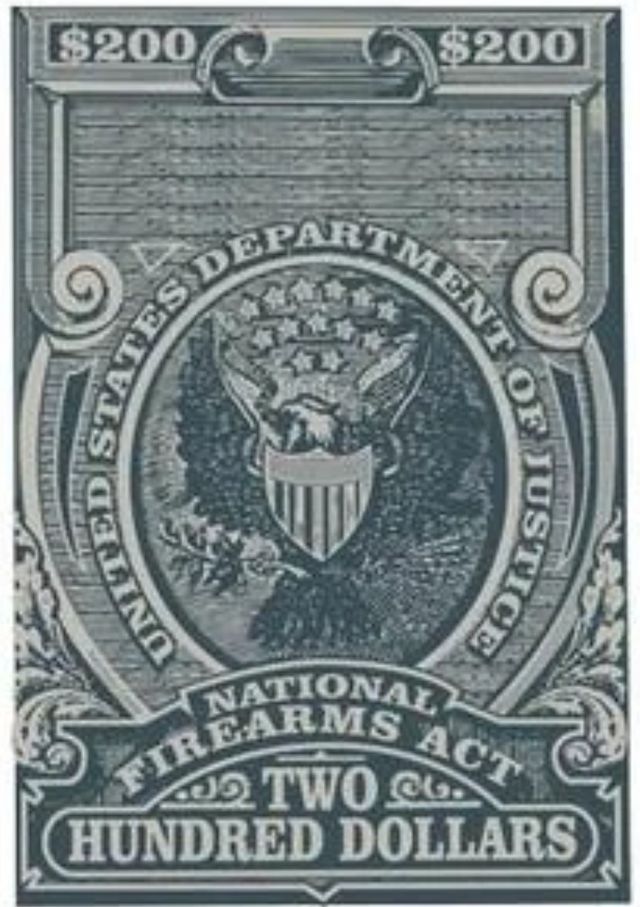
How Haynes v. United States (1968) struck down NFA registration on Fifth Amendment self-incrimination grounds, and how Congress's 1968 amendments brought the registration regime back into constitutional compliance.

A family limited partnership lets a business owner transfer wealth to heirs while retaining full management control as general partner — separating financial interest from authority.
Holographic wills and online services exist, but DIY wills risk invalid formalities and unintended distributions. Here's when hiring an estate planning attorney is worth it.

A gun trust is a legal entity that owns NFA-regulated firearms — bypassing CLEO consent, individual fingerprinting, and photographs while simplifying transfers across multiple trustees.
The National Firearms Act of 1934 imposed excise taxes and registration on machine guns, short-barreled weapons, and suppressors. The 1986 Hughes Amendment banned new machine guns; the 2025 OBBBA cut the tax to $0 for most NFA items beginning in 2026.

Part 2 on Arkansas LLCs covers member-managed vs. manager-managed governance, operating agreement essentials, and why pass-through taxation makes LLCs attractive but requires planning.

An LLC shields members' personal assets from business debts after filing Articles of Organization with the state. Improper formation can expose you to full personal liability.

Sole proprietorships and general partnerships expose your personal assets to unlimited liability. Learn why entrepreneurs should choose LLCs instead.

In this post, I discuss the ramifications of parents’ dying without a will.

Do you need a will in Arkansas? Learn what happens if you die without one and why estate planning matters — even if you think you don't need it.
Get new writing on faith, law, and service delivered to your inbox.
No spam. Unsubscribe anytime.