NFA Gun Registration Requirements
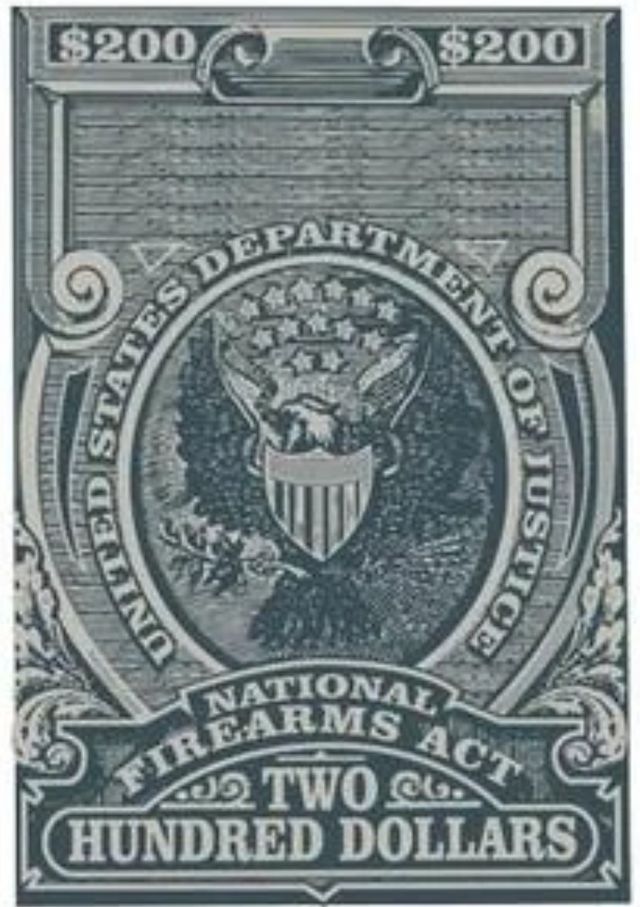
A short history of how the Supreme Court found the NFA’s original registration scheme unconstitutional in Haynes v. United States (1968) — and how Congress fixed the law later that year.
In a previous post, I discussed the National Firearms Act of 1934. The Act originally required that anyone acquiring or possessing a Title II weapon register it with the United States government. In 1968, however, the Supreme Court ruled in Haynes v. United States that the registration requirement was unconstitutional on Fifth Amendment grounds. There, the Court found that requiring a person in illegal possession of a weapon to register that weapon amounts to compelled self-incrimination.
The Court’s ruling effectively gutted the NFA, and so later that year Congress refashioned the registration requirements to comply with the Court’s ruling. In amending the law, Congress removed the requirement that possessors of Title II weapons register them and instead subjected only those who may legally make, manufacture, or import firearms to the NFA’s registration requirements. Ironically, this created a situation where those who may not legally make, manufacture, or import firearms but do so anyway are exempt from the gun registration requirements.
This is of little practical consequence on the federal level, as unlawful possession of a Title II weapon is still a serious offense. It simply creates a legal oddity: a convicted felon who makes, manufactures, or imports a Title II weapon cannot be prosecuted for failing to register the weapon, while otherwise law-abiding citizens can be. Since individuals merely possessing a Title II weapon are not required to register the weapon regardless, however, this change is more a legal curiosity than a significant loophole.
Congress also amended the law by prohibiting the use of any information from an NFA application or registration as evidence in a criminal proceeding involving a crime committed prior to or concurrent with the filing of the application or registration. This further addressed the Fifth Amendment concerns.
Generally speaking, when you purchase a Title II weapon, the weapon is already registered, and the seller merely transfers the registration into your name. In 1971, the Supreme Court ruled in United States v. Freed that the amendment to the National Firearms Act brought the law into compliance with constitutional requirements.
As an aside, the Supreme Court’s decision can frustrate state schemes for gun registration. Haynes v. United States is still good law, and its prohibition against requiring those in illegal possession of a firearm to register it still applies. Ironically, this can create a situation where a registration scheme requiring only law-abiding citizens to register their guns is able to withstand constitutional scrutiny — calling into question the already dubious benefit of such a scheme.
Disclaimer: This post is for informational purposes only and is not legal advice. Federal-firearms compliance and the constitutional rules surrounding self-incrimination are highly fact-specific; consult a qualified federal-firearms attorney in your jurisdiction about your situation.

Garrett Ham
Garrett Ham is an attorney, military veteran, and holds a Master of Divinity from Yale Divinity School. He writes from Northwest Arkansas on theology, law, and service.
Related Posts

Gun Trusts
A gun trust is a legal entity that owns NFA-regulated firearms — bypassing CLEO consent, individual fingerprinting, and photographs while simplifying transfers across multiple trustees.
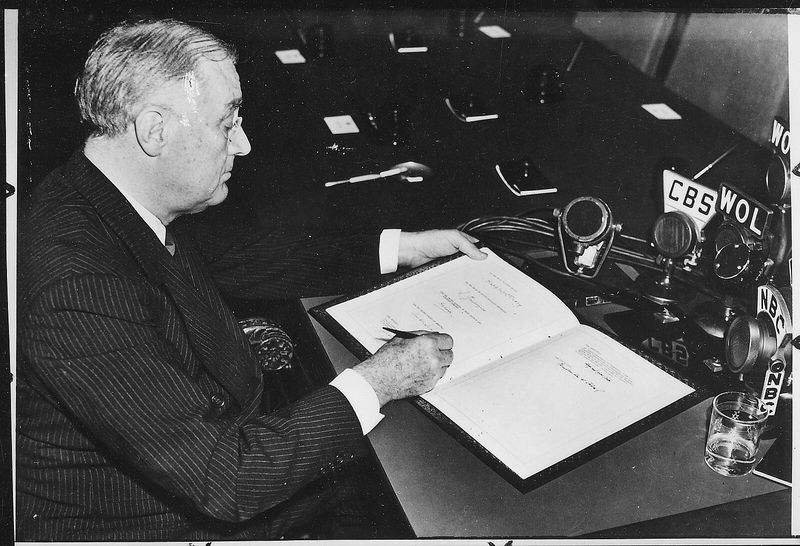
The National Firearms Act of 1934
The National Firearms Act of 1934 imposed excise taxes and registration on machine guns, short-barreled weapons, and suppressors. The 1986 Hughes Amendment banned new machine guns; the 2025 OBBBA cut the tax to $0 for most NFA items beginning in 2026.

Copyright Registration
In this post, I discuss the process and benefits of copyright registration and how it can provide greater protections to your intellectual property.
Stay Informed
Get new writing on faith, law, and service delivered to your inbox.
No spam. Unsubscribe anytime.