Intellectual Property
On This Page
Trademarks protect brand names. Copyrights protect original works. Patents protect inventions. The U.S. constitutional grant for two of those — copyright and patent — is in Article I, Section 8, Clause 8.
Intellectual property is a legal concept covering generally intangible creations of the mind. The law protects the intellectual property of individuals and businesses against unauthorized use by others. In this post I discuss three significant categories of intellectual property protection — trademarks, copyrights, and patents — and how they differ.
What Is a Trademark?
As discussed in a previous post, a trademark is a word, phrase, symbol, or design that identifies the source of goods or services, distinguishing the product or services of one business from another.
Technically a trademark identifies the source of goods, while a service mark identifies the source of services. The two are otherwise the same; “trademark” is often used to refer to both.
It is important to recognize that registering a domain name or filing a business name with the Secretary of State’s office does not, in and of itself, give you trademark rights. You may be forced to surrender a domain name — or even your business name — if it infringes on someone else’s trademark.
What Is a Copyright?
A copyright protects original works of authorship, providing the owner with the exclusive right to reproduce, distribute, perform, or display the copyrighted material (see 17 U.S.C. § 106). Copyright is often what people picture when speaking of intellectual property, but it is distinct from both trademark and patent law.
What Is a Patent?
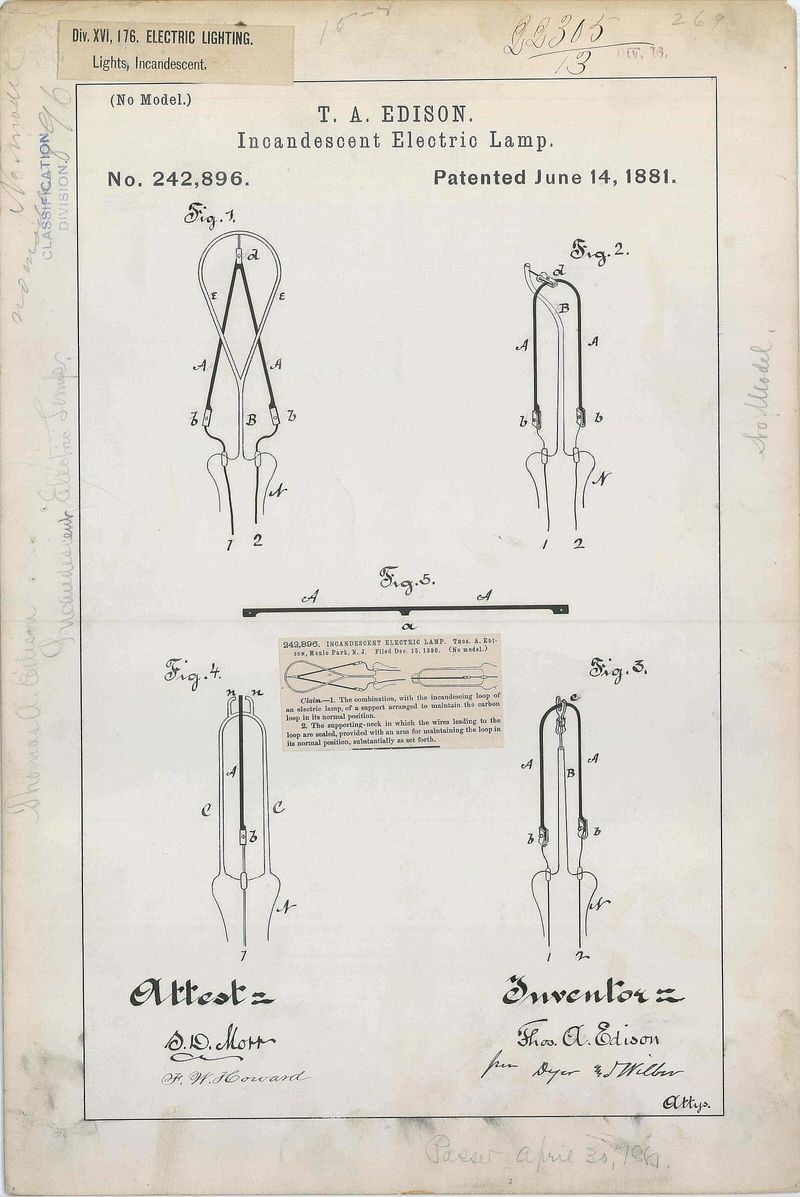
A patent generally protects an invention. Patents provide their holders with the exclusive right to make, use, and sell the patented invention for a limited statutory term.
As a practical note, attorneys practicing patent prosecution must be admitted to the patent bar — a separate USPTO licensure — which most general-practice attorneys, including this one, do not hold. Patent matters are best referred to a registered patent attorney.
What Is the Difference Between Trademarks, Copyrights, and Patents?
Trademarks, copyrights, and patents protect different things. Generally speaking, trademarks protect brand names and logos, copyrights protect original works of literature or artistic expression, and patents protect inventions.
So, for example, if you invent a new software application, you might acquire a patent to protect the underlying invention, a trademark to protect the logo you use to sell it, and a copyright to protect your marketing material such as your website copy. (Software itself can also be copyrighted, but that is beyond the scope of this post.)
Understanding Intellectual Property
The law recognizes intellectual property because it encourages innovation and promotes original expression and business ventures. The U.S. Constitution itself authorizes much of this scheme: Article I, Section 8, Clause 8 empowers Congress “To promote the Progress of Science and useful Arts, by securing for limited Times to Authors and Inventors the exclusive Right to their respective Writings and Discoveries.” That single clause is the constitutional source of both modern copyright and patent law.
Disclaimer: This post is for informational purposes only and is not legal advice. Trademark, copyright, and patent practice each turn on highly fact-specific statutory and procedural requirements; consult a qualified intellectual-property attorney about your situation.

Garrett Ham
Garrett Ham is an attorney, military veteran, and holds a Master of Divinity from Yale Divinity School. He writes from Northwest Arkansas on theology, law, and service.
Related Posts
After Filing Your Trademark Application
After filing with the USPTO, your trademark application faces examiner review, possible office actions, and publication for opposition. The full process typically takes 12 to 18 months.
Understanding Copyrights
What is a copyright? Learn how the Copyright Act of 1976 protects original works and grants authors exclusive rights to reproduce, distribute, and display them.

Understanding Patents
What is a patent? Learn how U.S. patent law protects inventions, the three types of patents, and the requirements for obtaining patent protection.
Stay Informed
Get new writing on faith, law, and service delivered to your inbox.
No spam. Unsubscribe anytime.