Title II Weapons
On This Page
In this post, I discuss the different types of Title II weapons as defined by the National Firearms Act, including machine guns.
In a previous post, I discussed the National Firearms Act and the weapons it regulates, commonly known as Title II weapons. In this post, I will provide a general overview of what qualifies as such a weapon.
Machine Guns
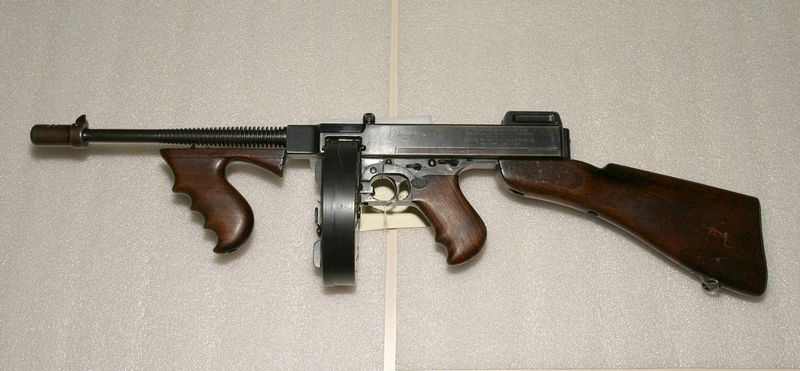
The most sensational of such weapons is the machine gun. Under the NFA, any gun that fires more than one round per trigger pull is considered a machine gun—and thus a Title II weapon—whether it fires fully automatic or bursts. Title II weapons also include the receiver or any other combination of parts intended to make a machine gun. A Glock conversion switch, for example, would be considered a Title II weapon.
Short-Barreled Guns as Title II Weapons
Short-barreled guns, including both rifles and shotguns, qualify as Title II weapons. This category covers any firearm with a buttstock and either a rifle barrel under 16 inches—or 18 inches in the case of a smoothbore shotgun—or an overall length under 26 inches. Removing a factory-installed buttstock does not exempt a gun from this provision. Weapons modified in this way do not cease to be Title II weapons.
Note that this means sawing off the barrel of a shotgun qualifies as manufacturing a Title II weapon and therefore requires the submission of an application with the ATF. If you make your own sawed-off shotgun, even if you legally purchased the shotgun, you can run afoul of the National Firearms Act.
Silencers Are Title II Weapons
Otherwise known as suppressors, these devices—made famous by their attachment to James Bond’s Walther PPK—include any portable device designed to muffle or otherwise disguise the sound of a portable firearm.
Destructive Devices
Destructive devices can be further divided into two subcategories: traditional destructive devices, such as grenades and bombs, and firearms with a bore greater than .50 caliber, such as the semi-automatic version of the USAS-12 shotgun. Firearms generally recognized as being particularly suitable for sporting purposes are exempt, even where they otherwise qualify. (12 gauge shotguns, for example, are not such weapons.)
The National Firearms Act does not cover explosive materials, such as C-4, as they are regulated by a different provision of federal law.
Any Other Weapons (AOWs)
This is a catchall provision for other regulated weapons. These include, among others, smoothbore pistols and novelty guns, such as cane guns.
2026 update: Historically, the AOW transfer tax was $5 (vs. $200 for other covered Title II weapons), making AOWs a relatively inexpensive entry point into NFA collecting. That fee structure no longer applies. Under the One Big Beautiful Bill Act (Public Law 119-21, signed July 4, 2025), the NFA making and transfer tax was reduced to $0 for suppressors, short-barreled rifles, short-barreled shotguns, and AOWs effective January 1, 2026. The $200 tax remains in place only for machine guns and destructive devices. All other NFA registration and approval requirements continue to apply.
Disclaimer: This post is general legal information about NFA-regulated firearms, not legal advice. NFA classification, transfer procedures, and the interaction with state law (including state-by-state machine-gun bans and recent BATFE rule changes) is technical and the consequences of misclassification are serious; consult a qualified Title II / firearms attorney about your specific situation before acquiring, manufacturing, or transferring any potentially regulated weapon.

Garrett Ham
Garrett Ham is an attorney, military veteran, and holds a Master of Divinity from Yale Divinity School. He writes from Northwest Arkansas on theology, law, and service.
Related Posts
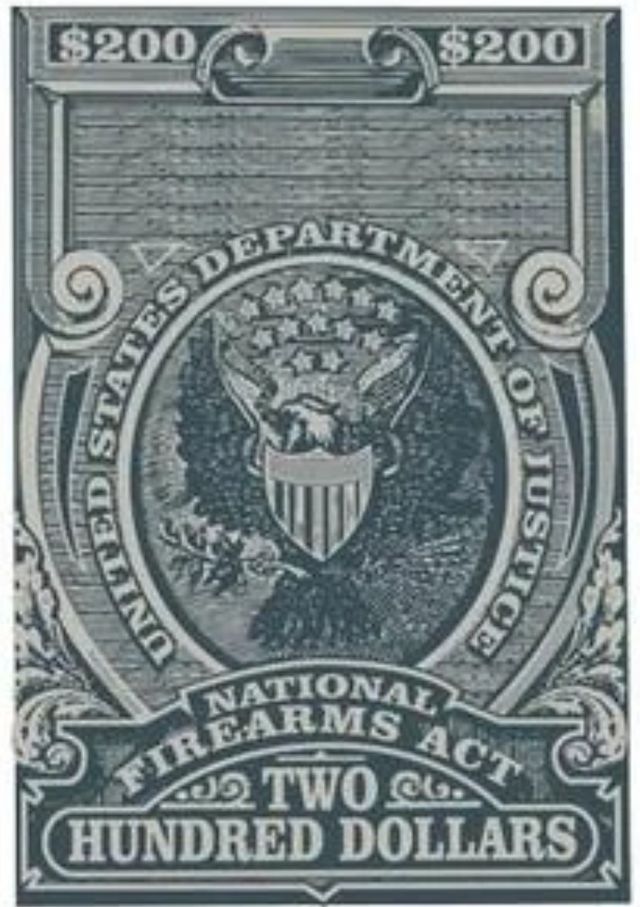
NFA Gun Registration Requirements
How Haynes v. United States (1968) struck down NFA registration on Fifth Amendment self-incrimination grounds, and how Congress's 1968 amendments brought the registration regime back into constitutional compliance.
Gun Trusts
A gun trust is a legal entity that owns NFA-regulated firearms — bypassing CLEO consent, individual fingerprinting, and photographs while simplifying transfers across multiple trustees.
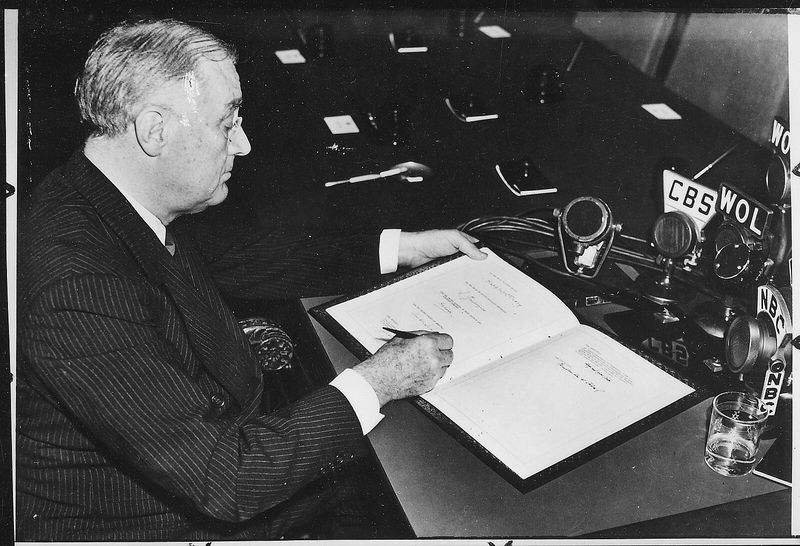
The National Firearms Act of 1934
The National Firearms Act of 1934 imposed excise taxes and registration on machine guns, short-barreled weapons, and suppressors. The 1986 Hughes Amendment banned new machine guns; the 2025 OBBBA cut the tax to $0 for most NFA items beginning in 2026.
Stay Informed
Get new writing on faith, law, and service delivered to your inbox.
No spam. Unsubscribe anytime.