The Aim and Readership of the Catechism (CCC 11–12)
The Catechism names its sources and its readers: bishops first, then everyone. What CCC 11–12 teach about faith and morals, the Fathers, and the liturgy.
· 31 min read
How the Church teaches: the Catechism, the magisterium, the development of doctrine, and the relationship between Scripture and sacred Tradition.
26 articles in this topic
The Catechism names its sources and its readers: bishops first, then everyone. What CCC 11–12 teach about faith and morals, the Fathers, and the liturgy.
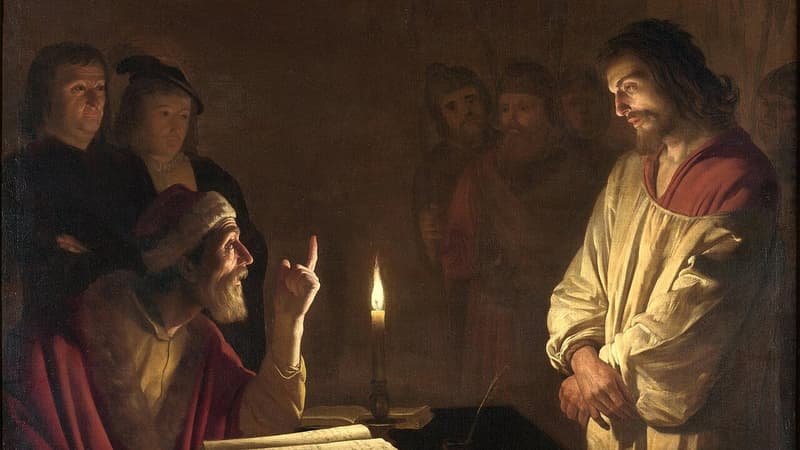
Does the clerical sexual abuse scandal disprove the Catholic Church’s authority to teach? The answer turns on infallibility, indefectibility, and impeccability.

2 Samuel 21:19 in Hebrew credits Elhanan, not David, with killing Goliath. The Catholic tradition has long-standing tools for the textual problem.
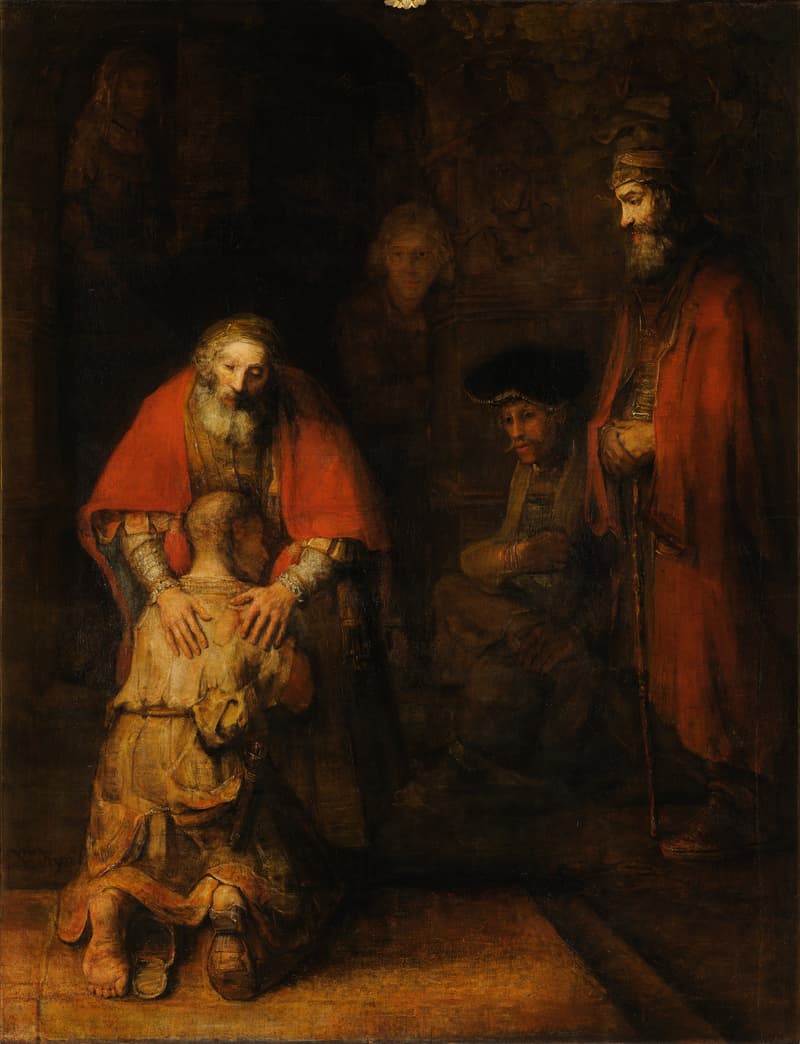
A scholarly Catholic history of the sacrament of reconciliation: its biblical, patristic, medieval, and Reformation roots, for curious Protestant readers.

What archaeology, the Hebrew Bible, the Septuagint, the Dead Sea Scrolls, and Catholic doctrine say about whether King David was a real historical figure.
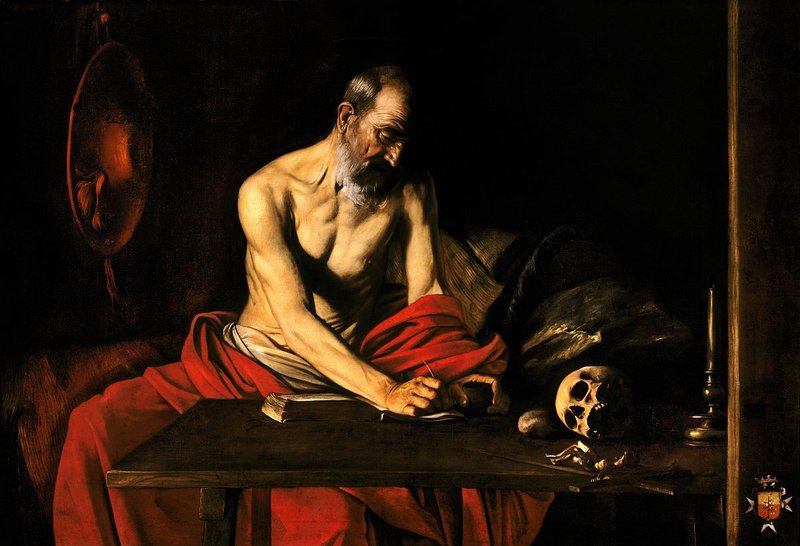
Did the Catholic Church ban the Bible? Examining the councils, indices, and regional restrictions—what's myth, what's exaggeration, and what's actually true.
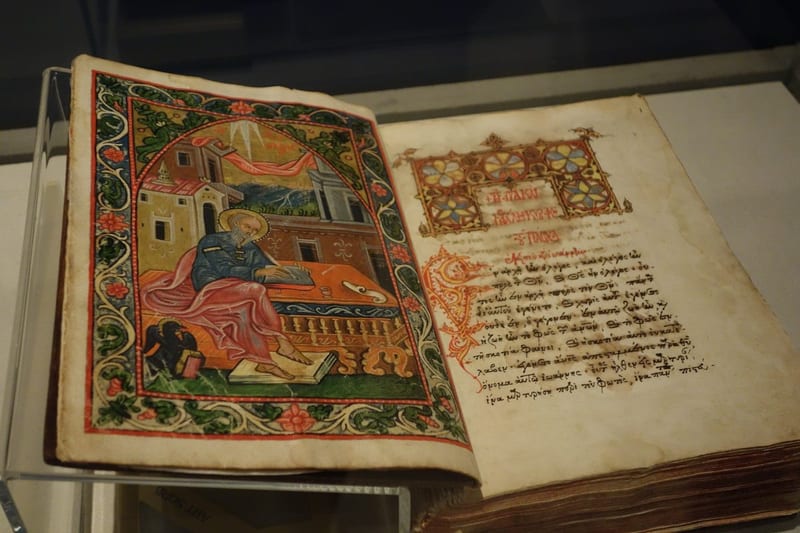
How Catholic inerrancy handles the conquest of Canaan, the Aqedah, the imprecatory psalms, and other hard Old Testament passages. Five approaches.
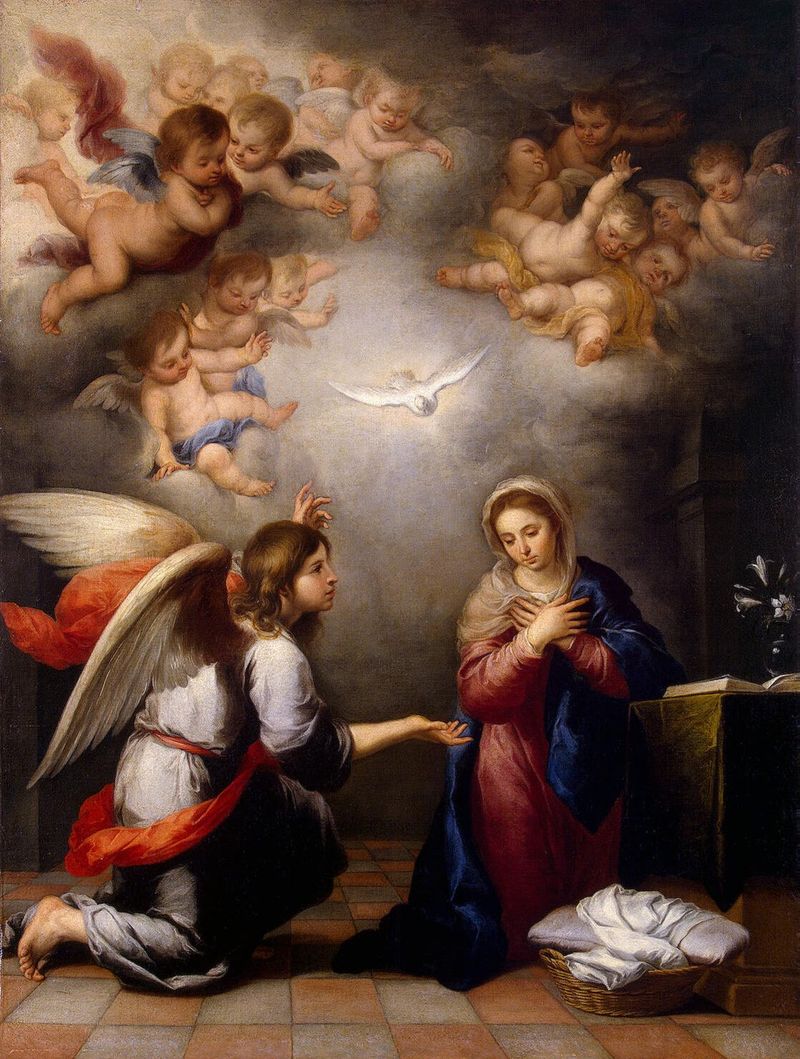
The complete list of ex cathedra papal statements: only two are universally recognized — Ineffabilis Deus (1854) and Munificentissimus Deus (1950) — plus disputed candidates including Benedictus Deus, Unam Sanctam, and Ordinatio Sacerdotalis. Vatican I's four conditions explained.
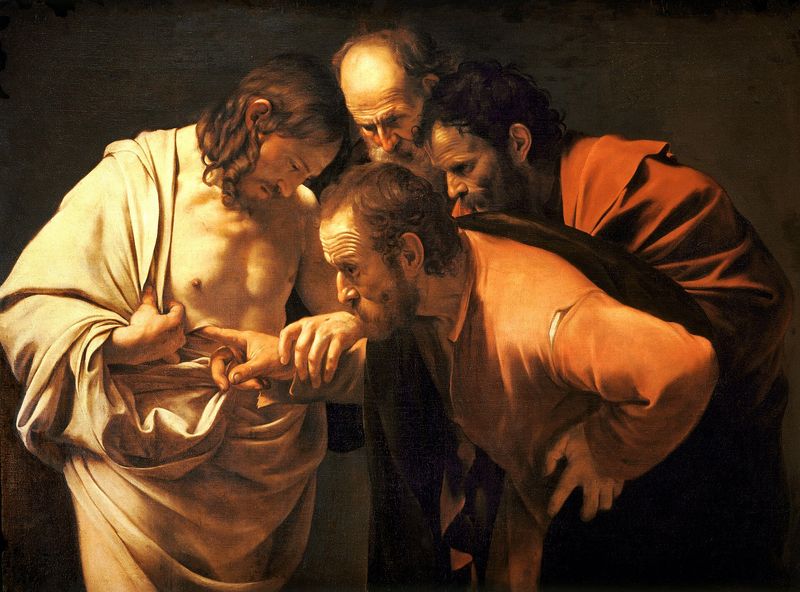
How Joseph Ratzinger's writings on doubt cultivate Christian humility—and why the humble submission of doubt to faith is more honest than relativism.
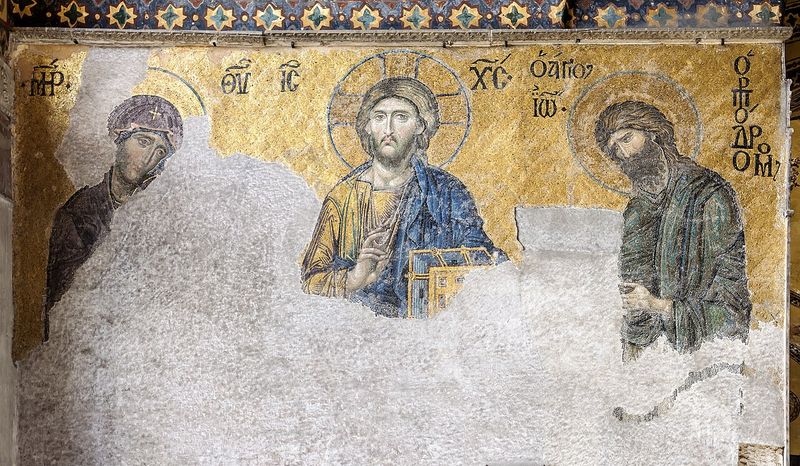
What does 1 Timothy 2:4 mean for Catholic theology? A reflection on Catechism §74, predestination, free will, and God's universal desire for salvation.
The God of the Old Testament is only partially revealed. In Christ, that progressive revelation reaches its fullness, and no further revelation follows.
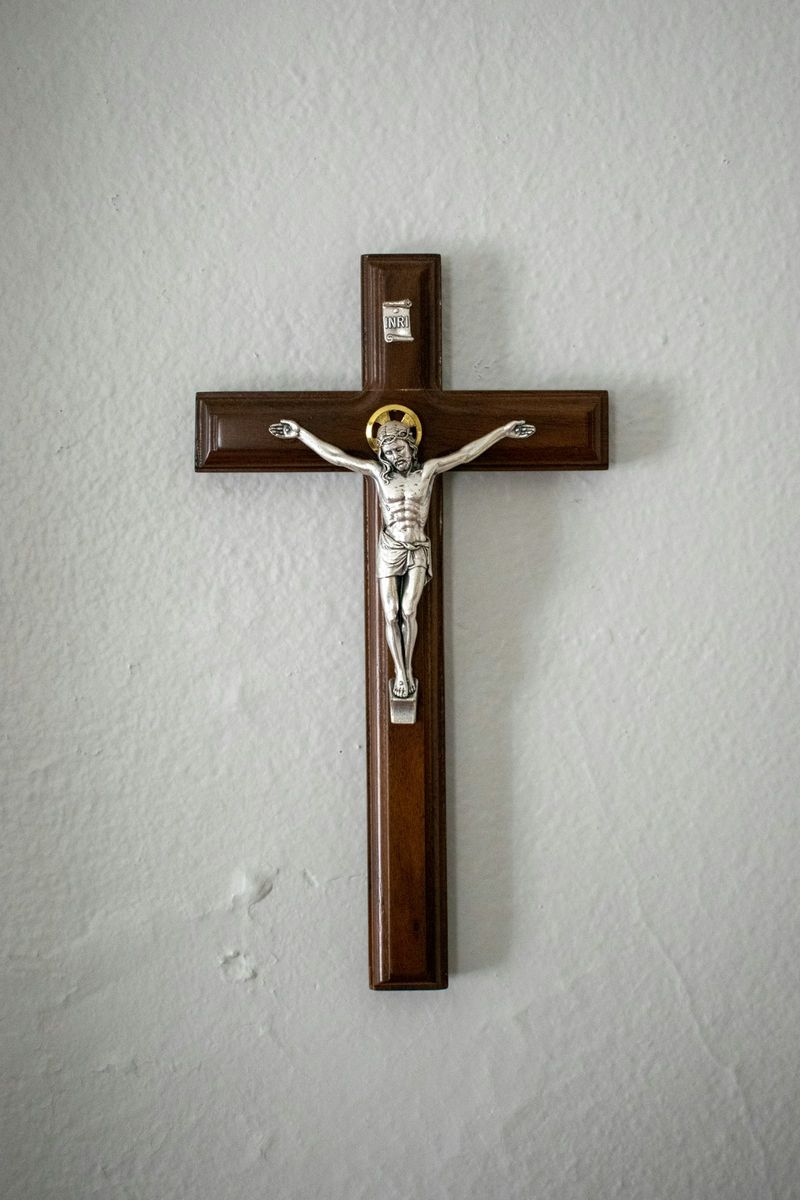
Jesus Christ is the full revelation of God. CCC 65-67 on why no public revelation will supplement or surpass Christ, the Father's definitive Word.

How Joseph Ratzinger grounds theology in the Church as a living conversation with God, drawing humanity together in Christ's liberating work.

How God progressively revealed himself through Noah, Abraham, and Israel—a Catholic reflection on Catechism §§ 54–64 and salvation history.

Why did God reveal himself gradually? A Catholic reflection on Catechism §§ 51–53 and the divine pedagogy that prepared humanity to receive Christ.
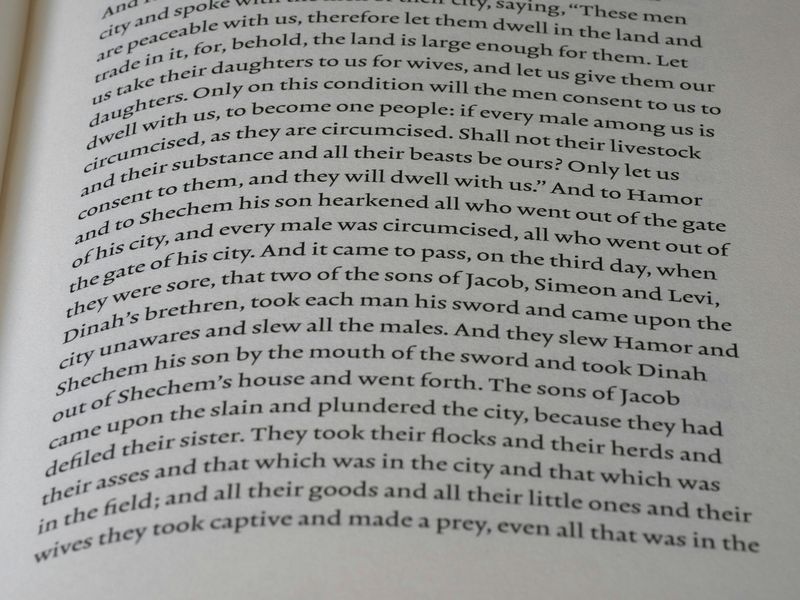
Do contradictions undermine biblical authority? A Catholic look at inerrancy, Dei Verbum § 11, and reading Scripture for the truth it teaches for our salvation.
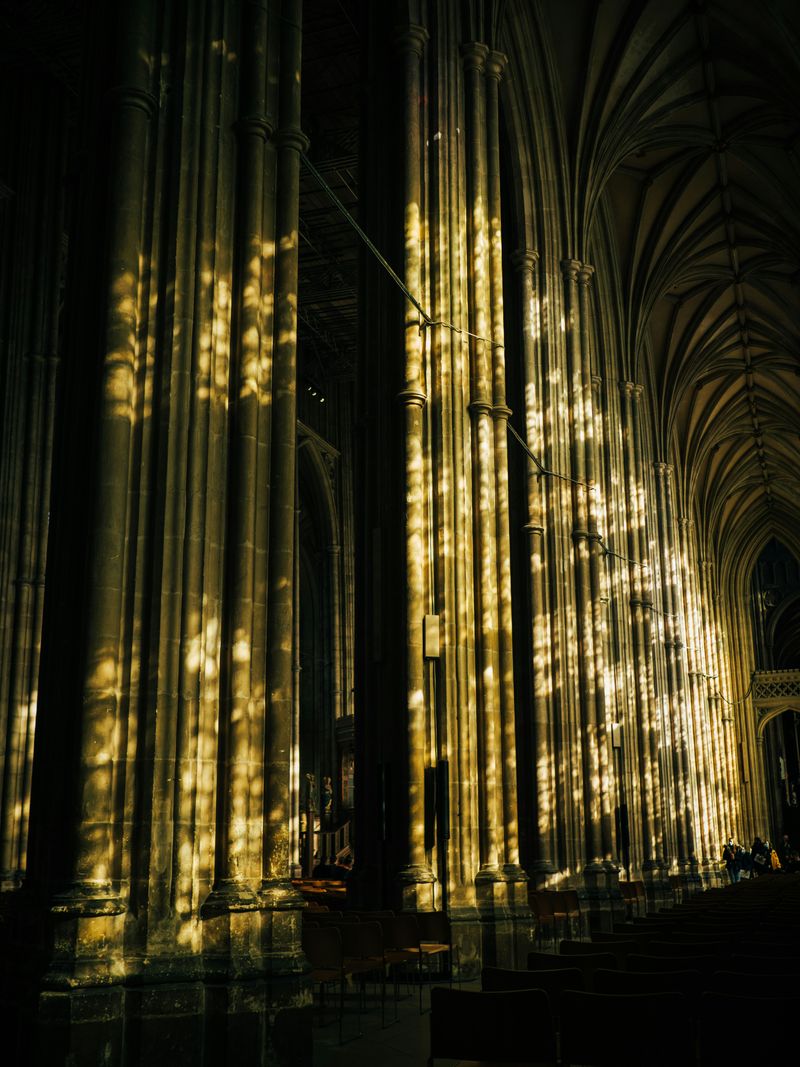
Since our knowledge of God is limited, our language about him is equally so. The Catechism teaches that we can name God only by taking creatures as our starting point—and that our words always fall short of the mystery.
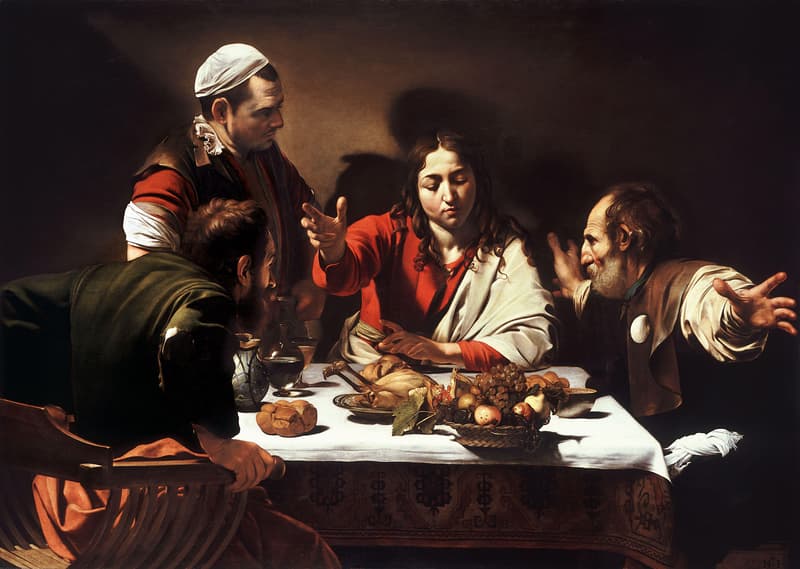
Catholic teaching on knowing God: reason, revelation, and grace. A walk through CCC §§31–35 with Reformed and Arminian parallels.
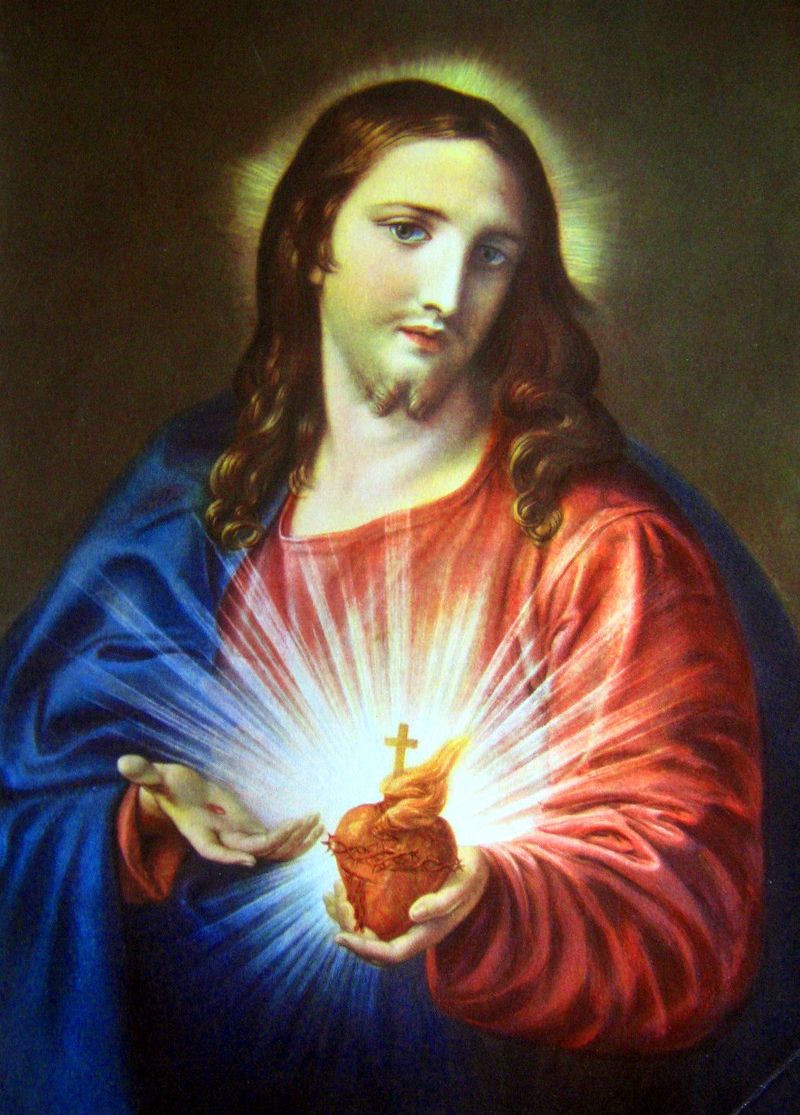
God is love, and the Catechism must be read in its entirety as the outworking of that divine love in the world.
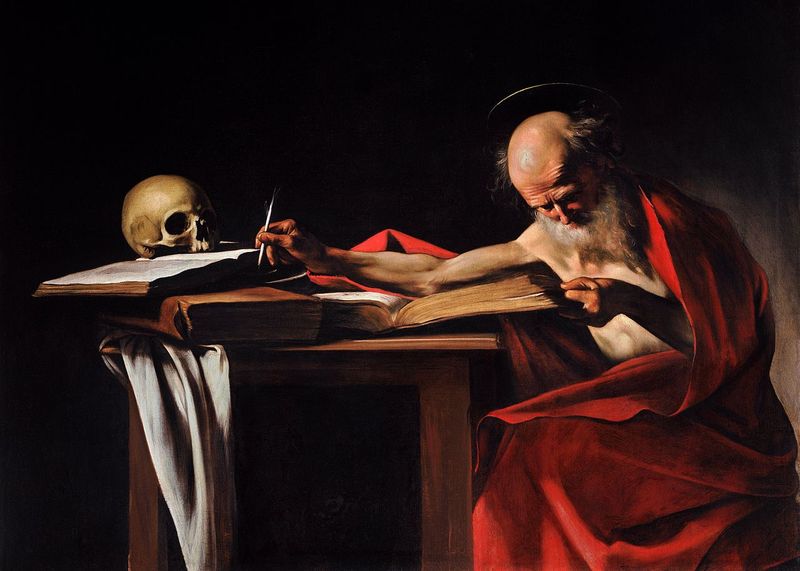
In this post, I discuss proof-texting and the importance of considering each of the teachings of the faith as part of a unified whole.
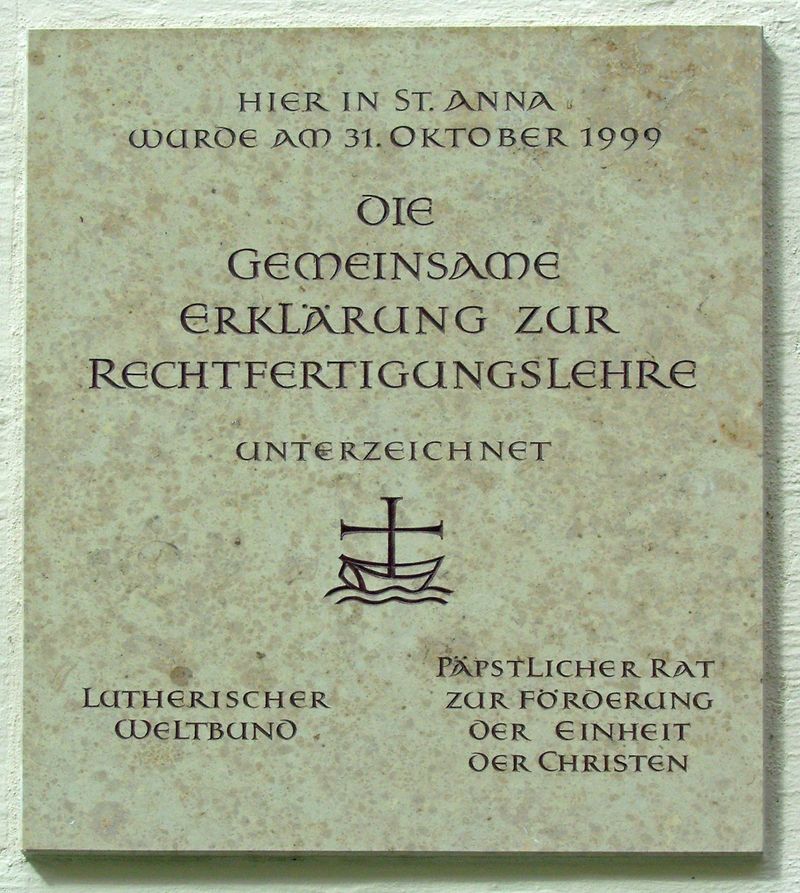
In this post, I take a look at Catholic-Protestant relations in light of the Catholic Church’s organization of her own Catechism.
The New Testament baptized converts on the spot. Why does the Catholic Church ask for more? A convert’s commentary on catechesis and RCIA in CCC 4–10.
The Catechism’s first three paragraphs explain why God made us, why Christ sent the apostles, and how the faith is handed on. A commentary on CCC 1–3.
The Catechism opens with three verses on eternal life, God’s will to save all, and the name of Jesus. What they mean—and why no one is predestined to hell.
Get new writing on faith, law, and service delivered to your inbox.
No spam. Unsubscribe anytime.