Matthew 13:44–52: The Hidden Treasure, the Pearl, and the Scribe’s New and Old
A Catholic exegesis of Matthew 13:44–52: the hidden treasure, the pearl of great price, the dragnet, and the scribe who brings out the new and the old.
· 53 min read
Classical theism and its rivals: divine simplicity, foreknowledge, impassibility, and the problem of evil, weighed against process theology and open theism.
23 articles in this topic
A Catholic exegesis of Matthew 13:44–52: the hidden treasure, the pearl of great price, the dragnet, and the scribe who brings out the new and the old.
A Catholic exegesis of Matthew 13:24–43: the parables of the weeds, mustard seed, and leaven, the Psalm 78 citation, and Augustine’s corpus permixtum.

1 Samuel 13:8–14 explained: why Saul was rejected, what ‘a man after God’s own heart’ means, why the army was scattering, and how this relates to 1 Samuel 15.
An exegetical study of 1 Samuel 2:25—the Hebrew ḥāpēṣ, the hardening tradition, and the Catholic response from Aquinas to Trent to De Auxiliis.
Did Jephthah sacrifice his daughter? A Catholic reading of Judges 11 with Augustine, Aquinas, the Fathers, the Catechism, and the full exegetical tradition.
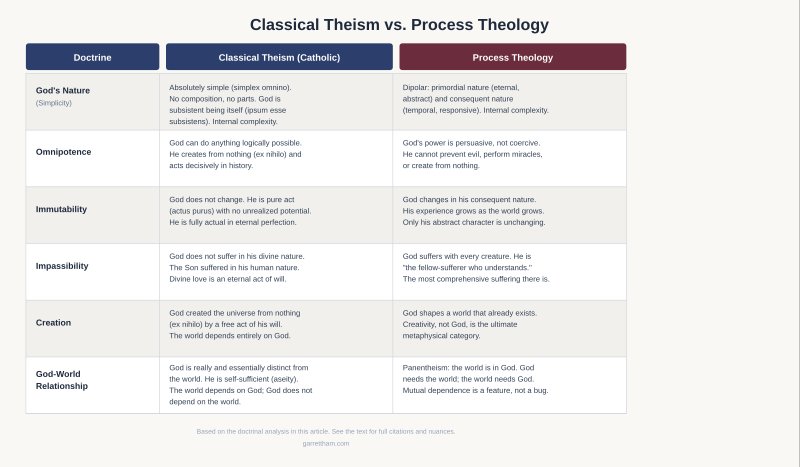
How does classical theism differ from process theology? A side-by-side comparison of divine simplicity, omnipotence, immutability, creation ex nihilo, and the God-world relationship.
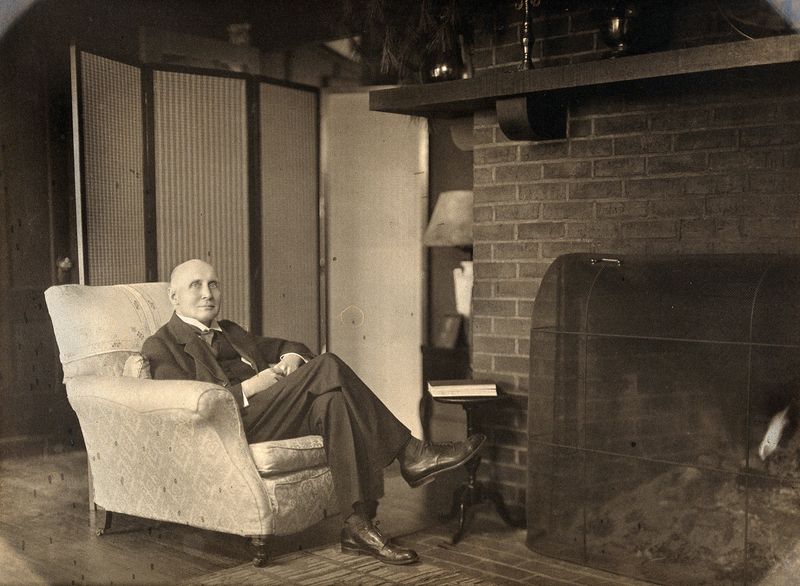
What is process theology? A clear introduction to Whitehead's process philosophy, dipolar theism, panentheism, and how process theology differs from classical Christian theism.
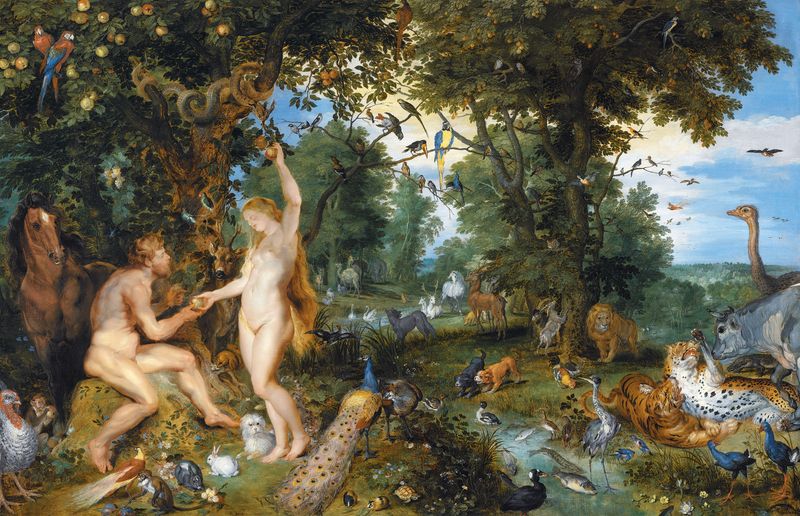
Can God know the future and humans still be free? The Catholic intellectual tradition offers robust answers through Thomism and Molinism. Here’s how they work and why they matter.
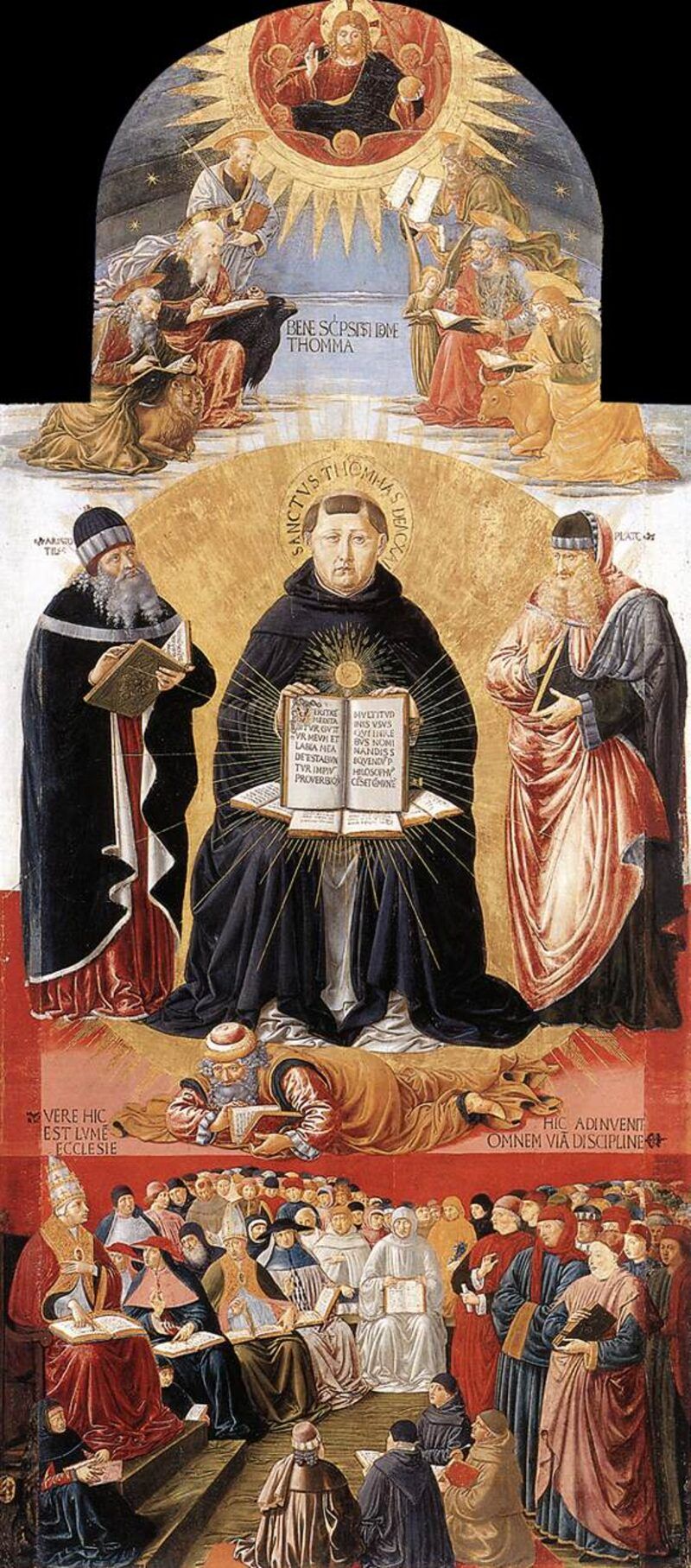
An exploration of divine simplicity—the doctrine that God is utterly simple, without composition or division. How this classical Catholic teaching shapes our understanding of God's nature and attributes.
Gregory Boyd is arguably the most publicly visible advocate of open theism. A Catholic evaluation of his major works—God of the Possible, Satan and the Problem of Evil, and Is God to Blame?—and the theological vision they present.
Molinism and Thomism are the two great Catholic frameworks for reconciling divine sovereignty and human freedom. Are they truly incompatible, or can insights from both traditions be harmonized?
What is open theism? A Catholic evaluation of the open model of God, its scriptural case, philosophical arguments, and why it falls outside defined Catholic dogma.
Open theism and process theology both reject exhaustive divine foreknowledge, but they differ profoundly on creation, omnipotence, and God's nature. A Catholic comparison of these two critiques of classical theism.
What is process theology? An examination of Whitehead's dipolar theism, panentheism, and the rejection of classical divine attributes—and why the Catholic Church cannot accept it.
What does divine condescension mean? Explore how God's loving condescension shapes revelation and grace. A Catholic theological reflection on God's gentle approach to humanity.

“Man is by nature and vocation a religious being…He lives a fully human life only if he freely lives by his bond with God.”

Since our knowledge of God is limited, our language about him is equally so. The Catechism teaches that we can name God only by taking creatures as our starting point—and that our words always fall short of the mystery.

“In the historical conditions in which he finds himself, however, man experiences many difficulties in coming to know God by the light of reason alone.”
Catholic teaching on knowing God: reason, revelation, and grace. A walk through CCC §§31–35 with Reformed and Arminian parallels.
God is love, and the Catechism must be read in its entirety as the outworking of that divine love in the world.
The Catechism’s first three paragraphs explain why God made us, why Christ sent the apostles, and how the faith is handed on. A commentary on CCC 1–3.
Get new writing on faith, law, and service delivered to your inbox.
No spam. Unsubscribe anytime.