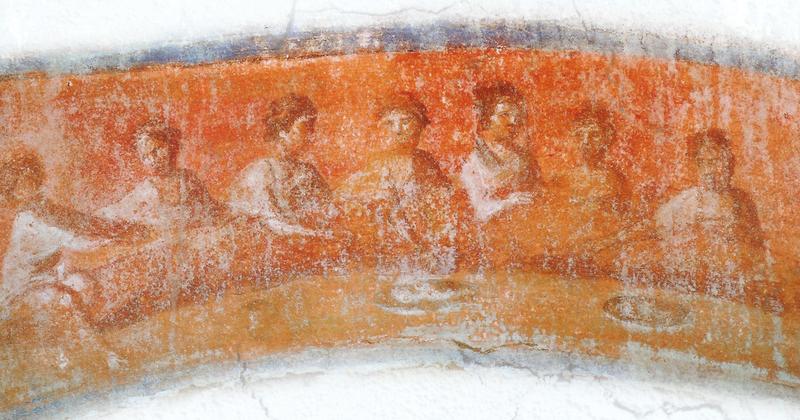
The Apologist Who Believed Too Much
A sophomore apologetics assignment on Justin Martyr's First Apology cost me the church I was raised in. What chapter 66 says about the Eucharist.
· 39 min read
The seven sacraments and the rites that carry them — the Mass in its Latin and Eastern forms, confession, holy orders, marriage, and the shape of the church year.
21 articles in this topic
A sophomore apologetics assignment on Justin Martyr's First Apology cost me the church I was raised in. What chapter 66 says about the Eucharist.

Caius, or Gaius, the twenty-eighth pope (283–296), governed in the long peace before Diocletian's storm—a confessor, not a martyr, whose gravestone survives.

Eusebius, the thirty-first pope (309 or 310), reigned four months before the emperor Maxentius exiled him—and his rival Heraclius—over the fate of the lapsed.

Callixtus I is the sixteenth pope (c. 217–222): a former slave, convict, and cemetery administrator whose policy of readmitting grave sinners after penance scandalized the rigorists—and won.

Cornelius, the twenty-first pope (251–253), faced the rigorist antipope Novatian—and staked the Church's authority on its power to forgive the lapsed after penance.

Stephen I is the twenty-third pope (254–257): the rebaptism war with Cyprian, the first surviving papal appeal to the succession of Peter, and a martyrdom the earliest records do not support.
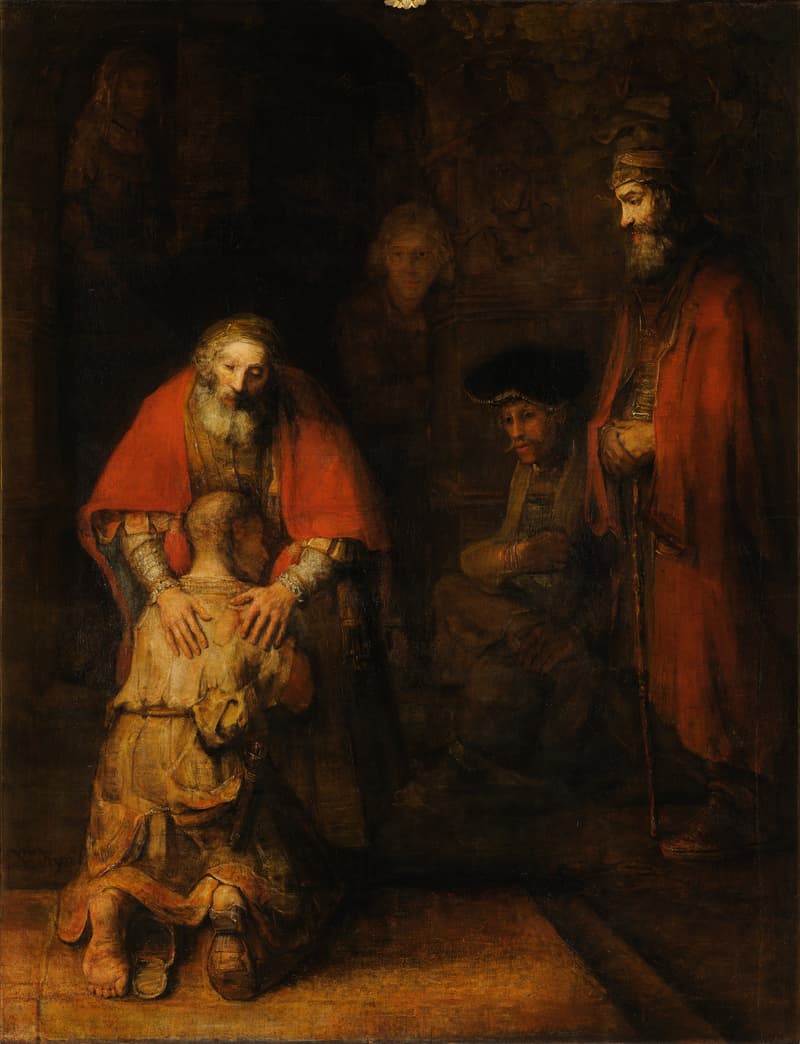
A scholarly Catholic history of the sacrament of reconciliation: its biblical, patristic, medieval, and Reformation roots, for curious Protestant readers.
A Yale MDiv convert's case for the Real Presence and transubstantiation—steelmanning Zwingli, Calvin, Luther, Carson, and Mathison, then answering each.
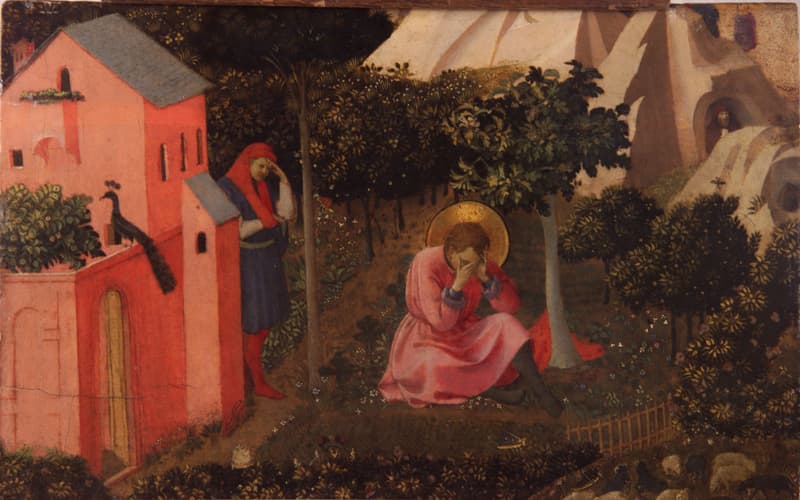
Donatism, the fourth-century heresy that rejected sacraments from sinful clergy—and Augustine's ex opere operato answer, which still refutes it today.

An honest guide to confessional PhD programs in New Testament studies — Baylor, Wheaton, Fuller, Dallas, Boston College, CUA, Fordham, and Marquette. Faculty, funding, placement ceilings, and trade-offs.
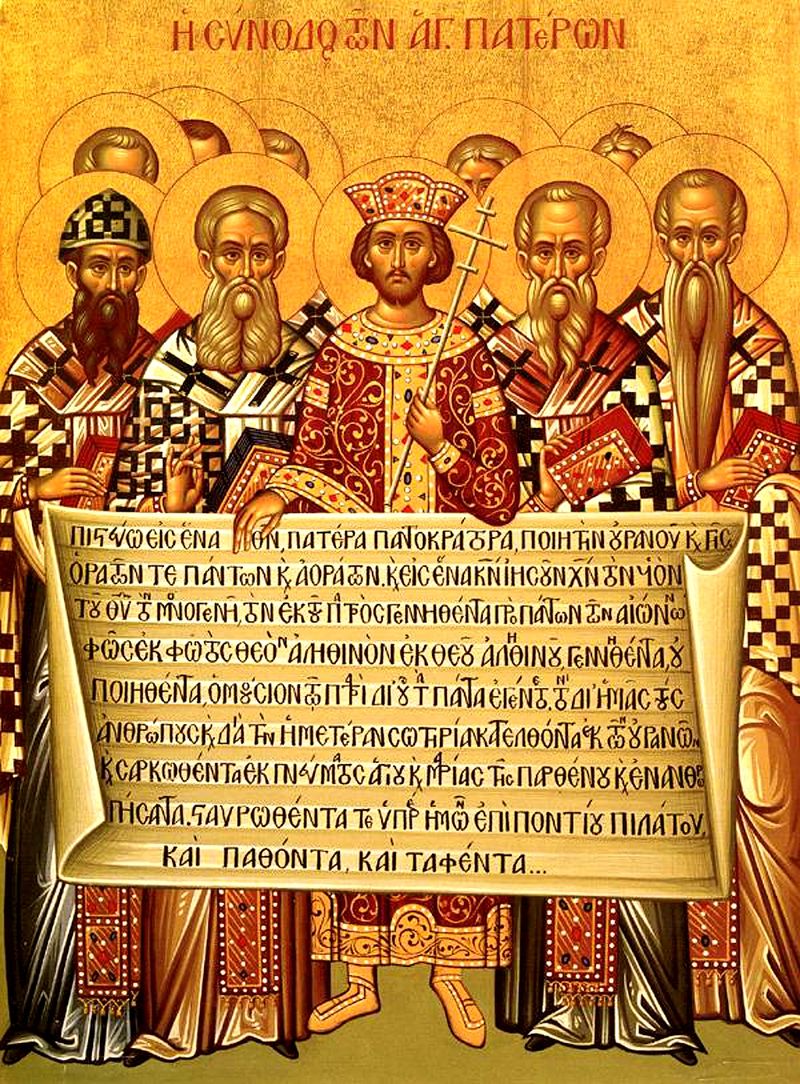
What does the Nicene Creed mean? A Catholic phrase-by-phrase guide to the full text of the Niceno-Constantinopolitan Creed — its history, theology, and why it still matters.
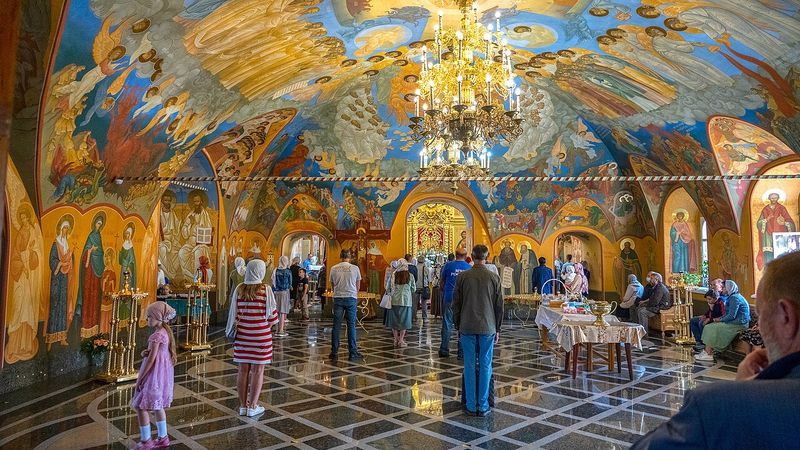
What happens in an Orthodox Divine Liturgy? A guide to the structure, theology, and meaning of Eastern Christian worship.
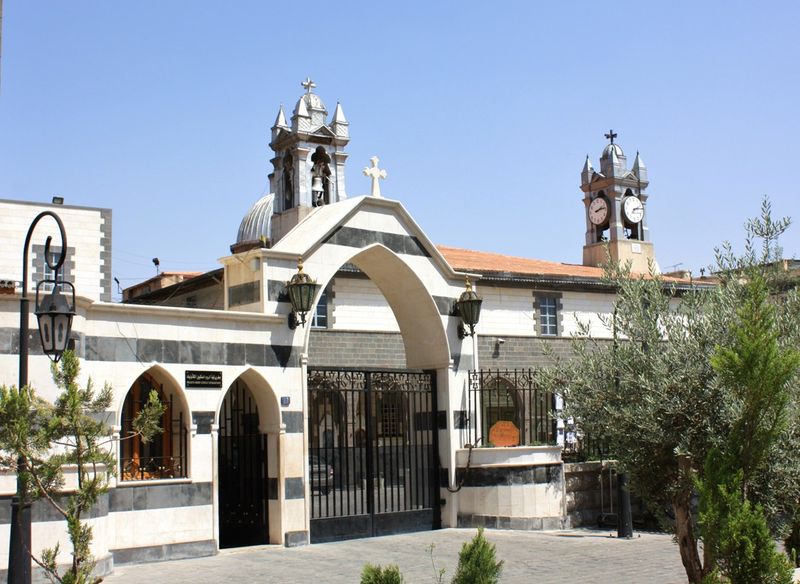
What are the Eastern Catholic Churches? A comprehensive guide to the 23 sui iuris churches in communion with Rome — their history, liturgy, theology, and role in Catholic-Orthodox ecumenism.
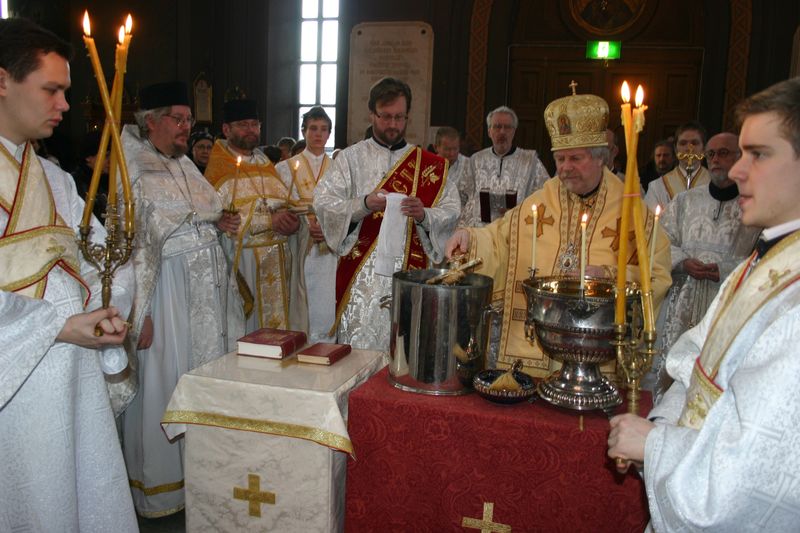
A guide to the Eastern Orthodox liturgical calendar — the Twelve Great Feasts, fasting periods, Pascha, and how the Church sanctifies time.
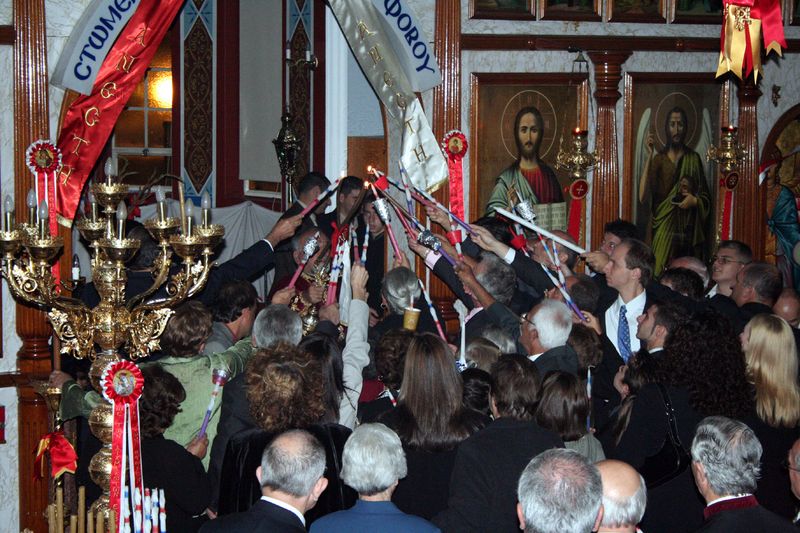
Why do Orthodox and Catholic Easter fall on different dates? Explore the calendar, theology, and liturgical differences between Pascha and Easter.
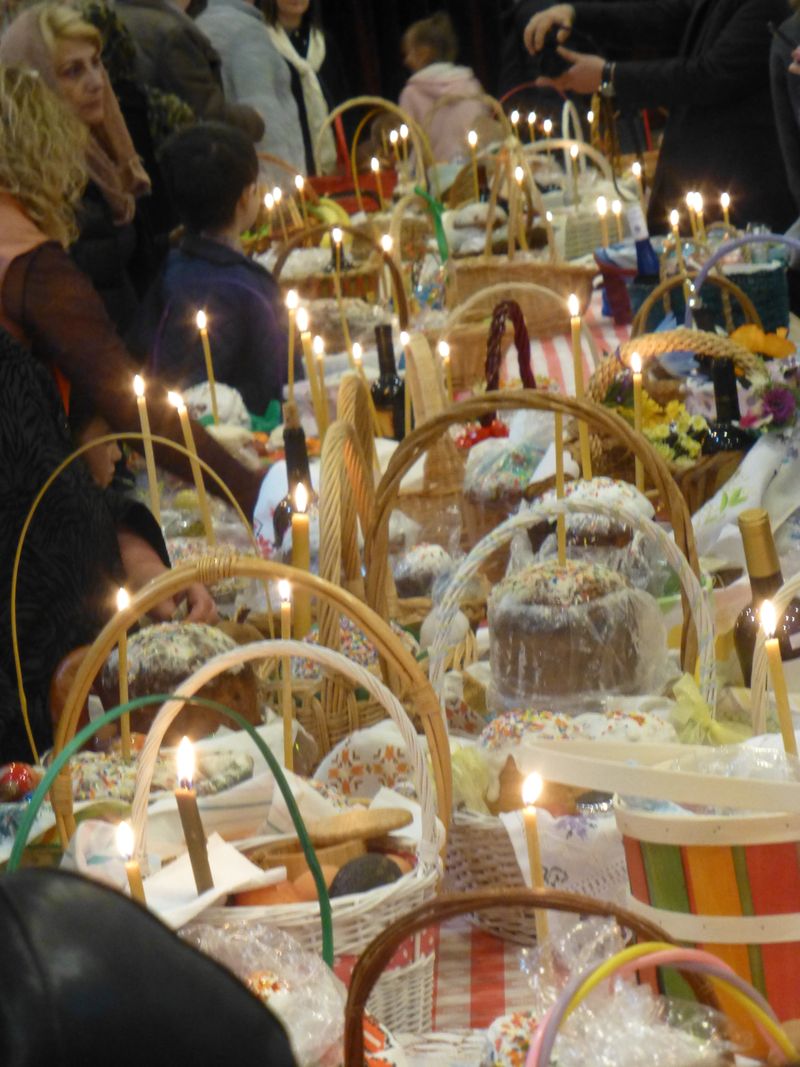
A comprehensive guide to fasting in the Eastern Orthodox Church — the four major fasting periods, weekly fasts, dietary rules, and the spiritual theology behind Orthodox asceticism.
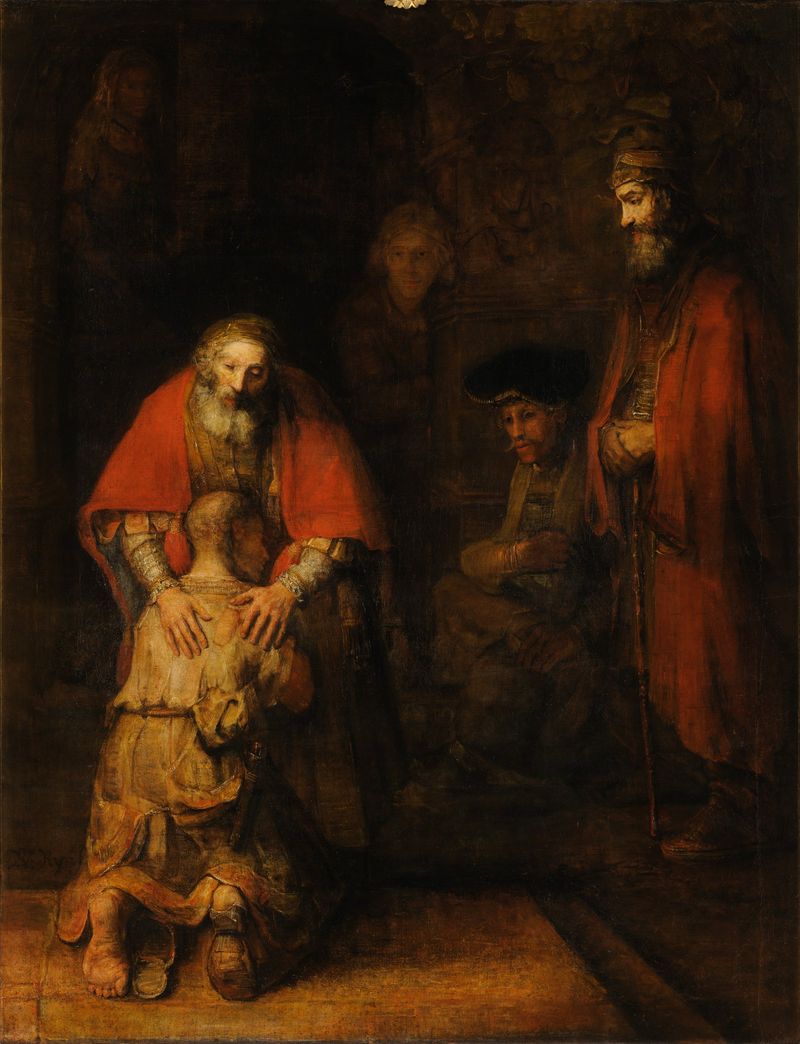
Can a Christian lose their salvation? The Catholic Church teaches that mortal sin can sever one's relationship with God — but that grace can always be restored through repentance.
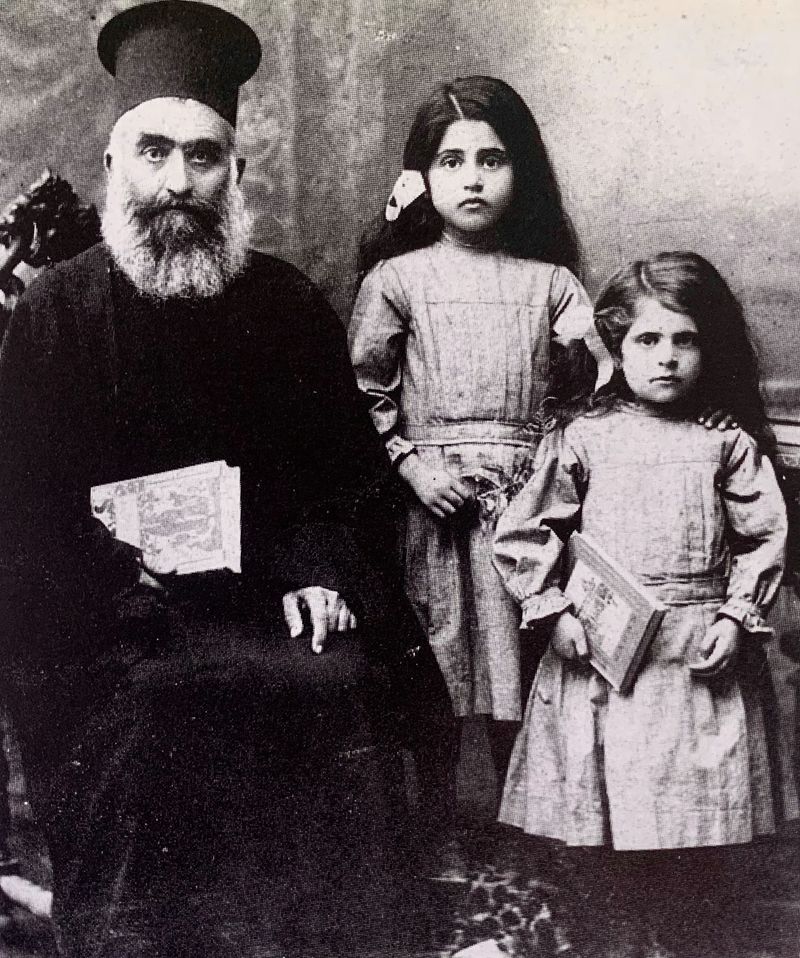
Are Catholic priests allowed to be married? In the Latin Rite, no; in the 22 Eastern Catholic churches in communion with Rome, yes. A short reflection on whether restoring married Latin clergy would be reform or return.
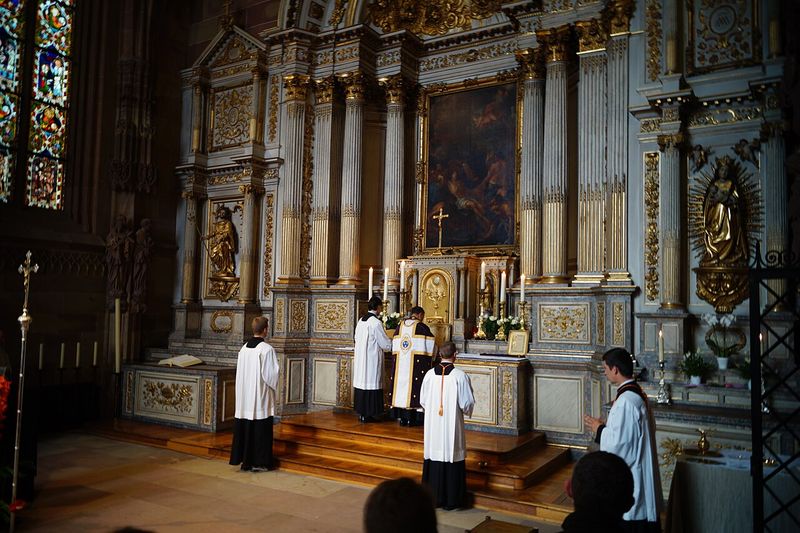
Understanding the Latin Mass devotion within Catholicism: reverence, tradition, and the need for submission to the Church's authority.
Get new writing on faith, law, and service delivered to your inbox.
No spam. Unsubscribe anytime.

