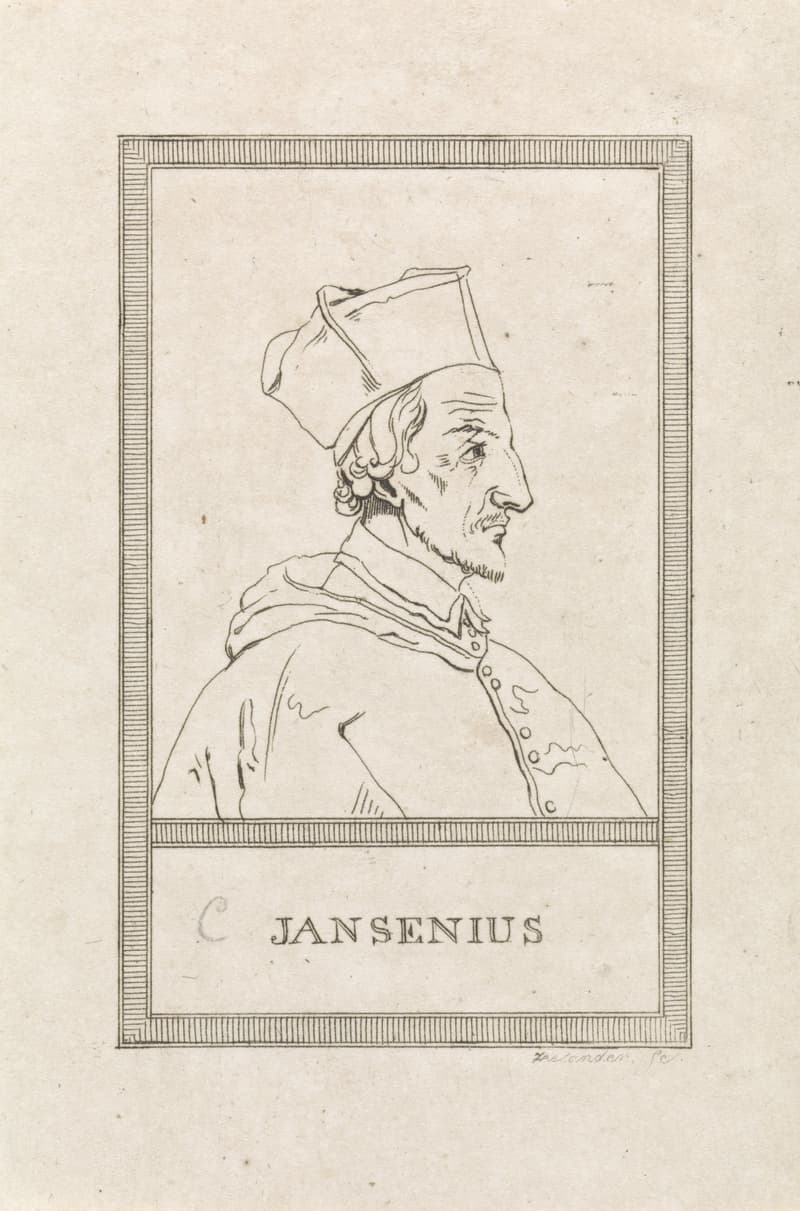
Jansenism: The Augustinian Heresy That Divided the Church
What was Jansenism? The Augustinian movement that became Calvinism in Catholic dress—the five propositions, Port-Royal, Pascal, and why Rome condemned it.
· 25 min read
The long argument over grace, predestination, and human freedom — Pelagius, Augustine, Molina, Calvin, Jansen — and where Catholic teaching lands on each.
38 articles in this topic
What was Jansenism? The Augustinian movement that became Calvinism in Catholic dress—the five propositions, Port-Royal, Pascal, and why Rome condemned it.
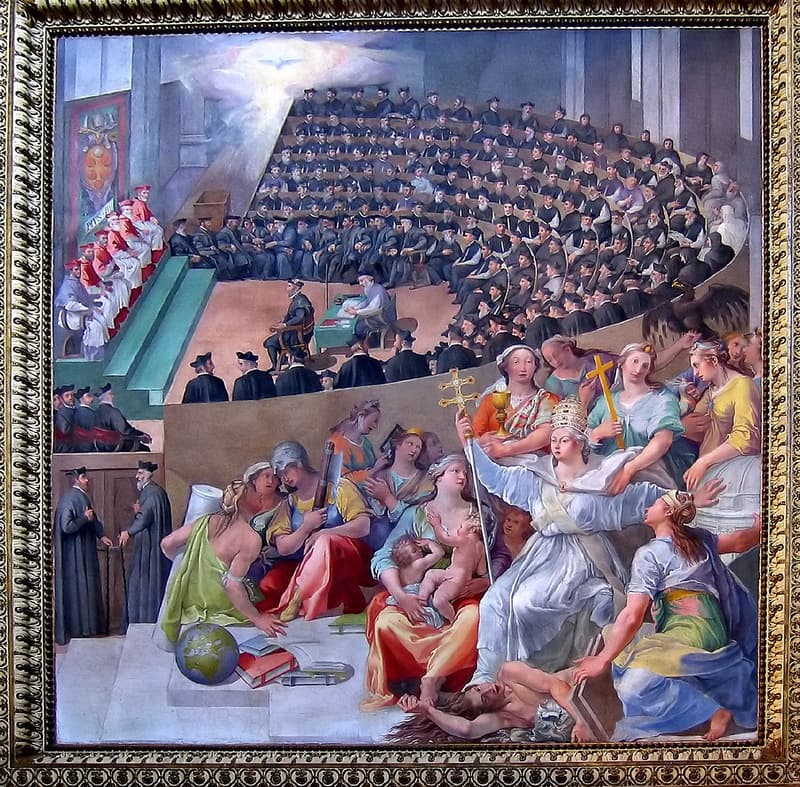
A Catholic convert reads the Council of Trent's 1547 Decree on Justification verbatim—and finds that what Protestants are taught it says is not what it says.
Definitions of key terms in Catholic grace theology: prevenient grace, sufficient and efficacious grace, sanctifying and actual grace, monergism vs. synergism, justification, and more.
Calvinism vs. Catholicism explained side-by-side: authority, salvation, sacraments, predestination, the Church, and Mary. A scholarly 2026 comparison of the two great Augustinian traditions.
An exegetical study of 1 Samuel 2:25—the Hebrew ḥāpēṣ, the hardening tradition, and the Catholic response from Aquinas to Trent to De Auxiliis.
Peter Abelard's relational theory of the atonement, its limits, and how Catholic teaching holds objective and subjective redemption together.
How Athanasius understood Christ's work through incarnation, deification, and the triumph over death—resources for a richer Catholic theology of the cross.
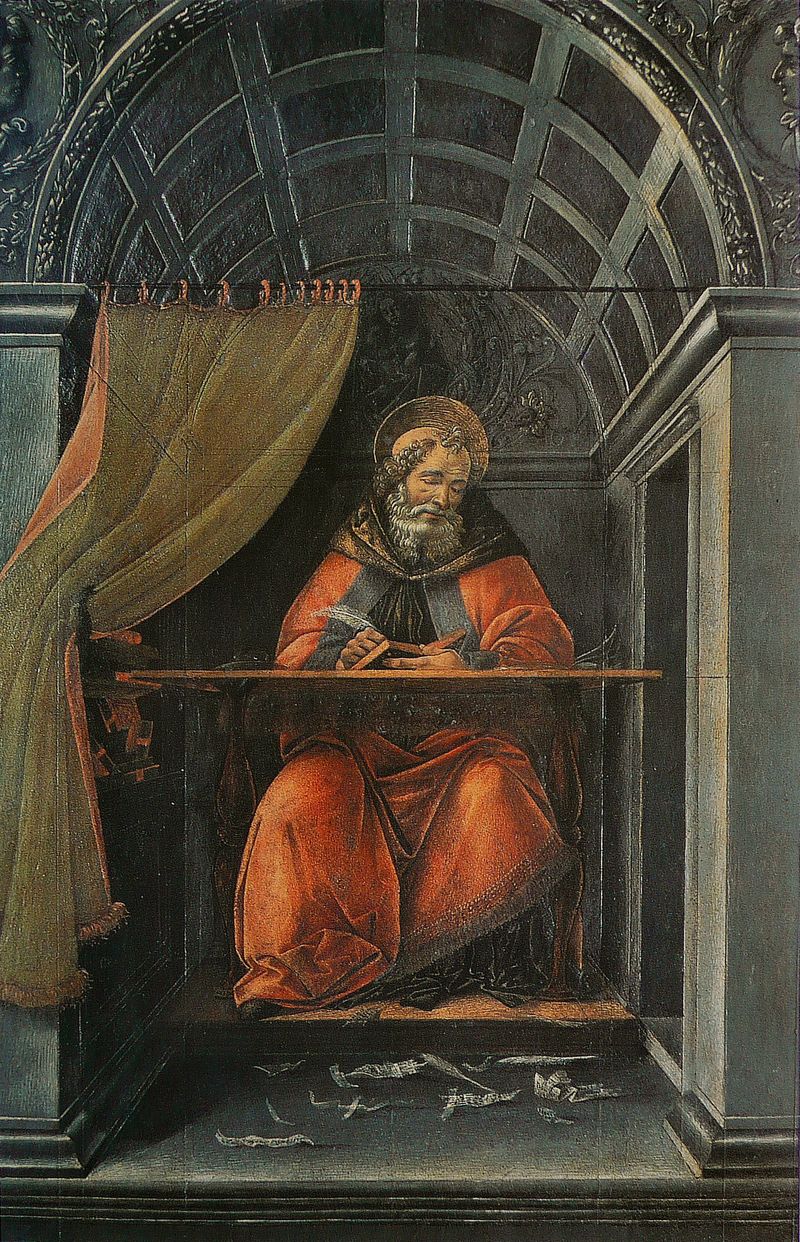
How Augustine's Trinitarian theology shaped atonement doctrine—victory, sacrifice, grace, and love united in Catholic soteriology.

What is Christus Victor? The earliest Christian atonement theory teaches that Christ defeated sin, death, and the devil. Explore the Church Fathers' witness.
How the Golden-Mouthed Father understood Christ's atonement through victory, ransom, sacrifice, and exchange—a patristic synthesis that enriches Catholic theology.
Gregory of Nyssa's Christus Victor theology: the fishhook, divine deception, theosis, and universal restoration in early patristic soteriology.
What is Augustine’s massa damnata? The condemned mass—its roots in Romans 5 and 9, the Thomist–Molinist debate, and the Catholic theology of grace.
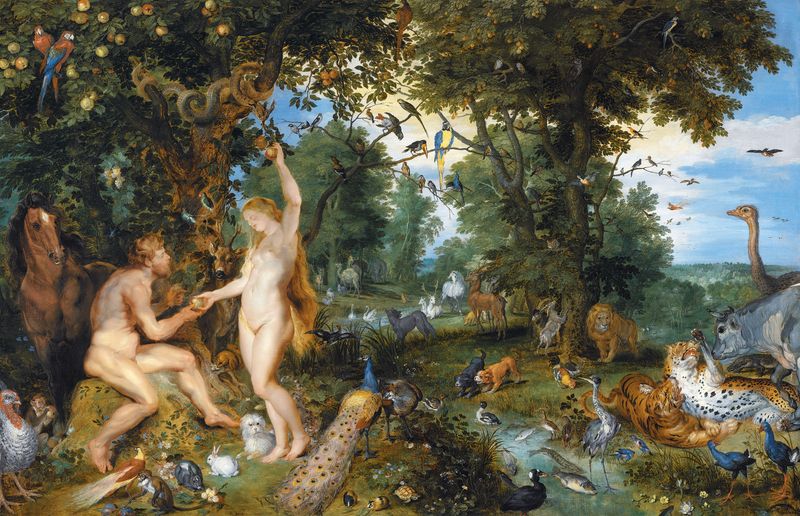
Can God know the future and humans still be free? The Catholic intellectual tradition offers robust answers through Thomism and Molinism. Here’s how they work and why they matter.
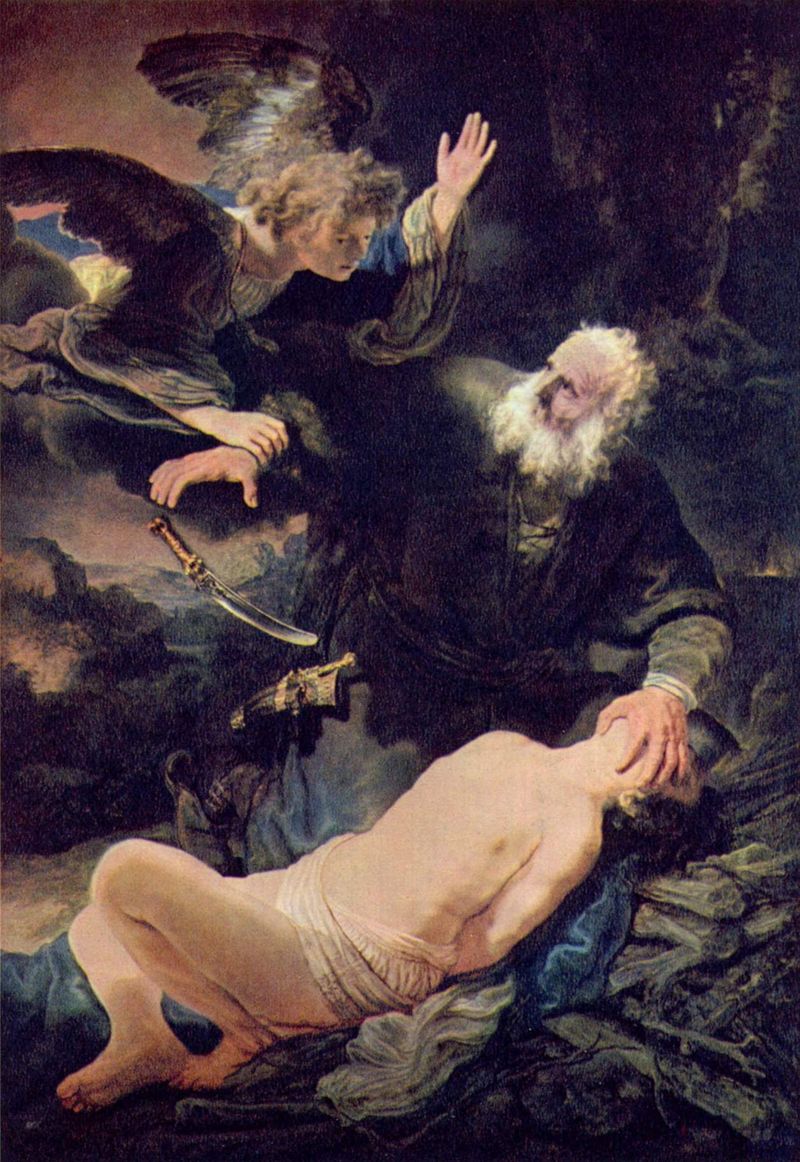
A comprehensive Catholic guide to the theology of divine providence and free will. Covers Thomism, Molinism, open theism, process theology, divine simplicity, foreknowledge, and how the Catholic tradition reconciles God's sovereignty with human freedom.
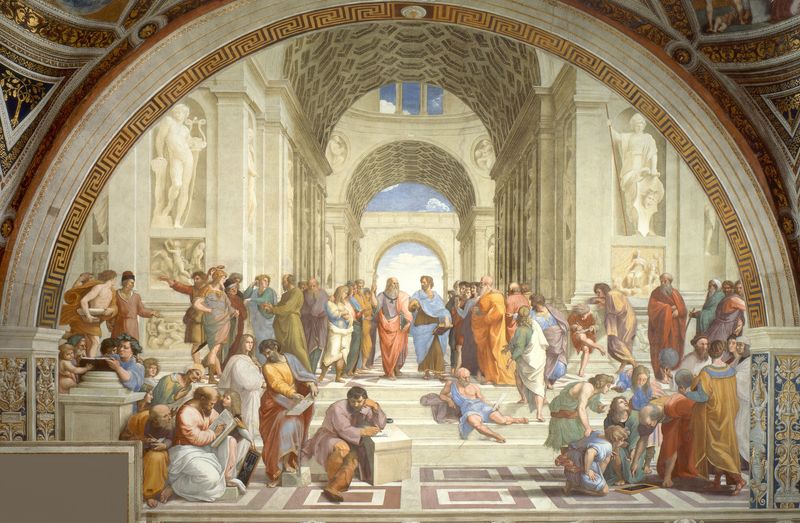
A side-by-side comparison of the four major Christian models of divine providence: Thomism, Molinism, open theism, and process theology. How they differ on foreknowledge, freedom, sovereignty, and evil.
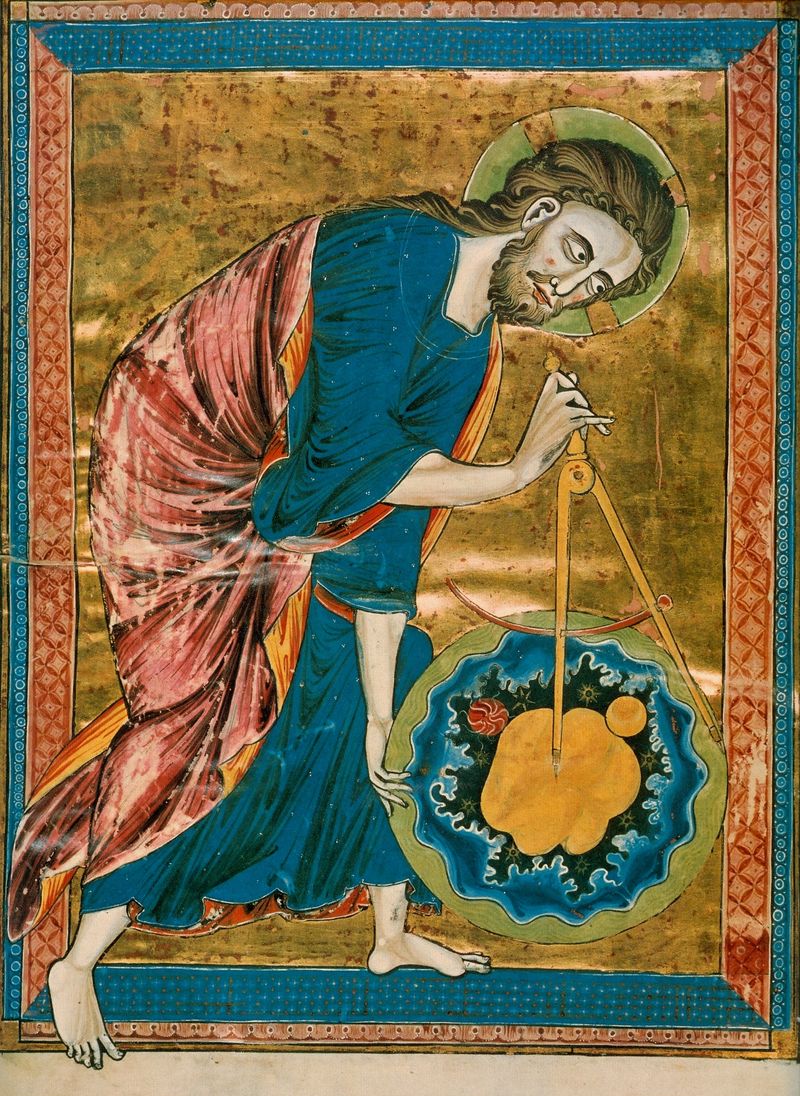
Does God know the future? The Catholic Church teaches that God's knowledge is exhaustive, encompassing even the free acts of creatures. Here's what that means and why it matters.
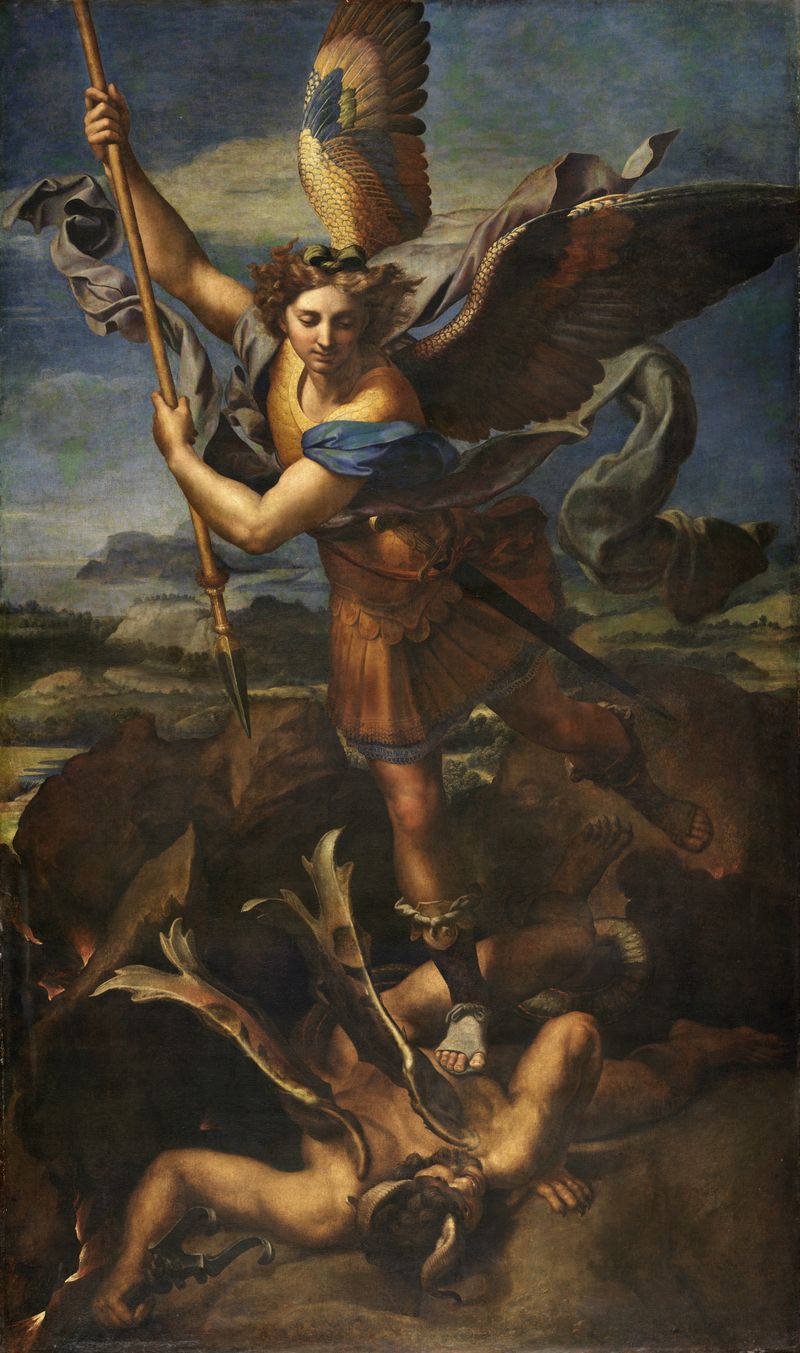
Gregory Boyd is arguably the most publicly visible advocate of open theism. A Catholic evaluation of his major works—God of the Possible, Satan and the Problem of Evil, and Is God to Blame?—and the theological vision they present.
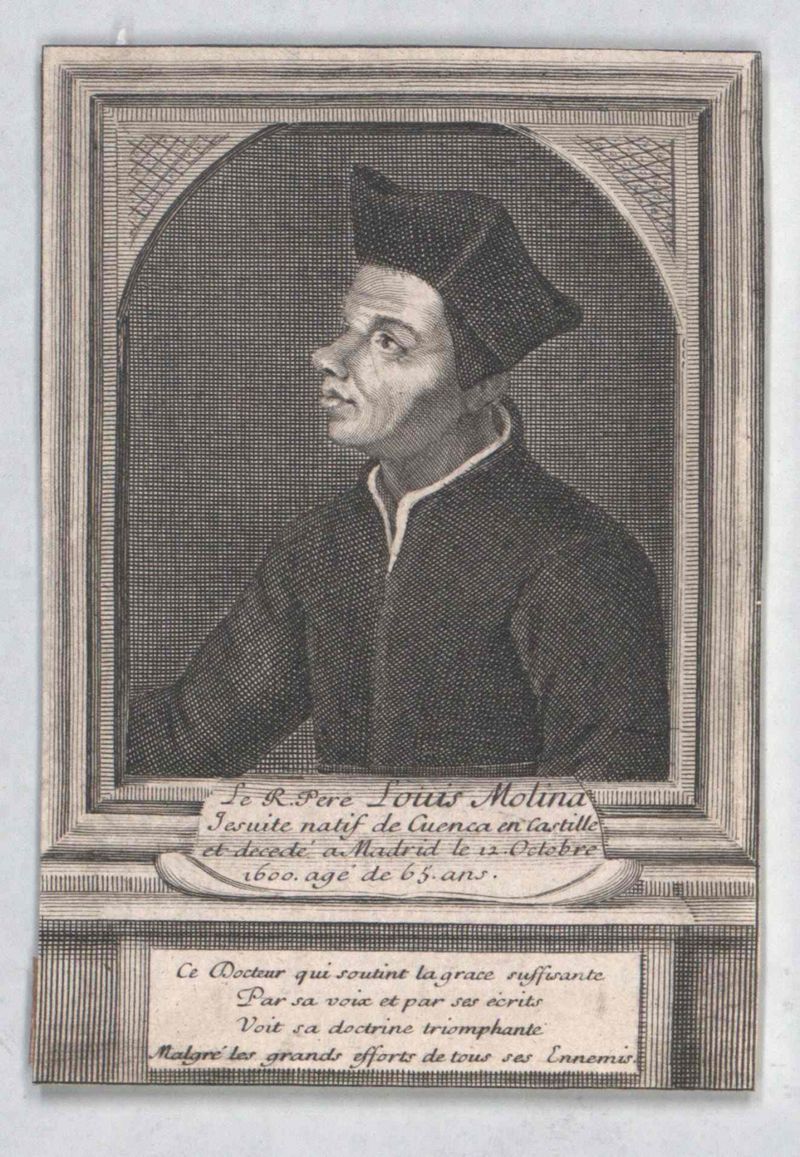
Molinism and Thomism are the two great Catholic frameworks for reconciling divine sovereignty and human freedom. Are they truly incompatible, or can insights from both traditions be harmonized?
What is Molinism? Luis de Molina's middle knowledge (scientia media), the De Auxiliis controversy, and how Molinism compares to Thomism and Calvinism.
What is open theism? A Catholic evaluation of the open model of God, its scriptural case, philosophical arguments, and why it falls outside defined Catholic dogma.
How do open theism and Molinism differ on divine foreknowledge, human freedom, and providence? A Catholic comparison of two frameworks for understanding God’s knowledge of the future.
Open theism and process theology both reject exhaustive divine foreknowledge, but they differ profoundly on creation, omnipotence, and God's nature. A Catholic comparison of these two critiques of classical theism.
A chapter-by-chapter summary of The Openness of God (1994) by Pinnock, Rice, Sanders, Hasker, and Basinger—the book that brought open theism to mainstream evangelical attention—with a Catholic evaluation of its arguments.
What does Romans 9–11 really teach about election and predestination? This Catholic interpretation engages Thomism, Molinism, Calvinism, and Arminianism — the most comprehensive treatment online.
Definitions of key theological and philosophical terms in the debate over divine providence, foreknowledge, and free will: from actus purus to scientia media.
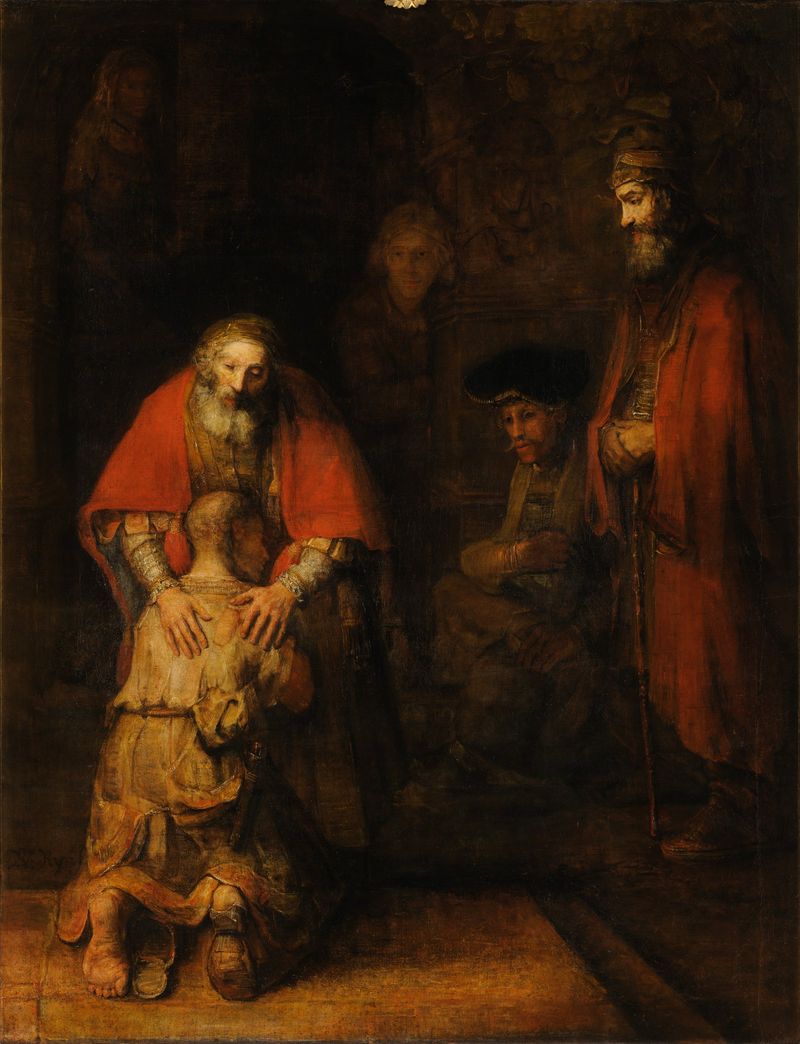
Can a Christian lose their salvation? The Catholic Church teaches that mortal sin can sever one's relationship with God — but that grace can always be restored through repentance.
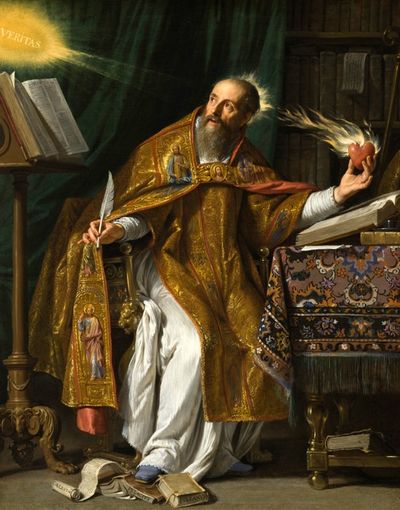
How do Catholic and Calvinist views of predestination differ? A comparison of Thomism, Molinism, and Reformed theology on election, grace, and free will.
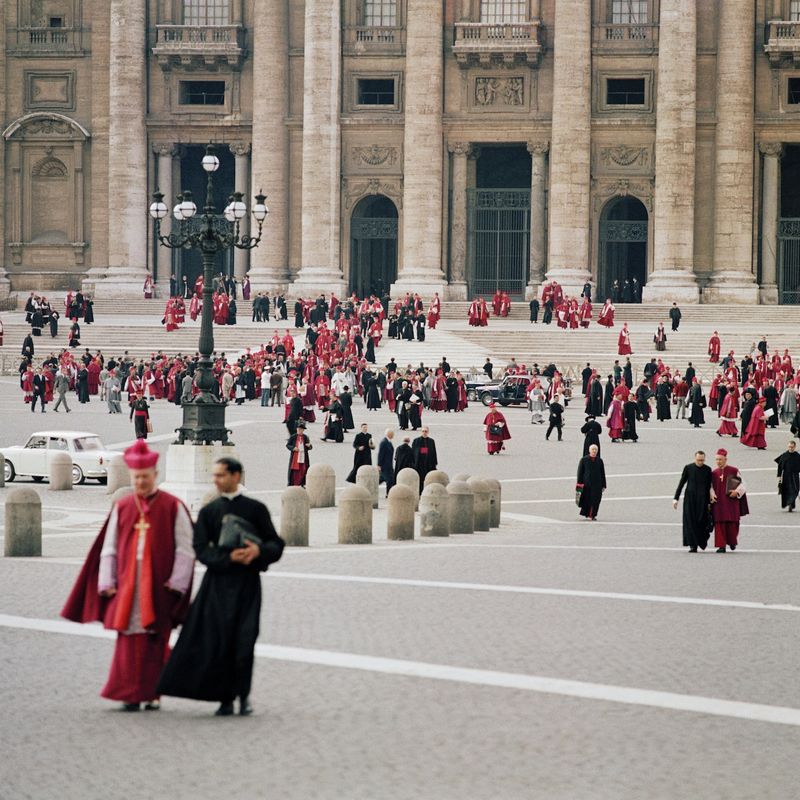
What does Lumen Gentium 16 teach about salvation outside the Church? A clear Catholic explanation of LG 14-16, extra ecclesiam nulla salus, and invincible ignorance.
Understand Pelagianism vs. semi-Pelagianism: why both heresies were condemned, their impact on theology, and what they teach about grace and salvation.
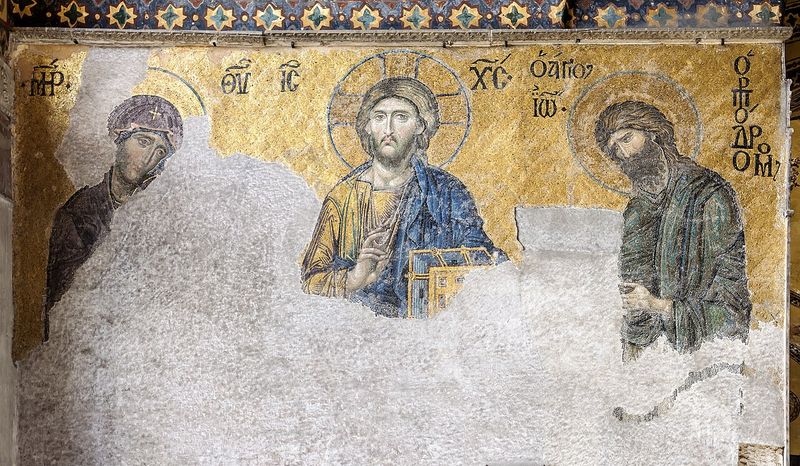
What does 1 Timothy 2:4 mean for Catholic theology? A reflection on Catechism §74, predestination, free will, and God's universal desire for salvation.

Inclusivism vs. pluralism: how each theology handles salvation, religious diversity, and Christ's role—with Catholic, Hick, and Pannenberg perspectives.
Catholic teaching on knowing God: reason, revelation, and grace. A walk through CCC §§31–35 with Reformed and Arminian parallels.
The Catechism opens with three verses on eternal life, God’s will to save all, and the name of Jesus. What they mean—and why no one is predestined to hell.
A snapshot of my evangelical theology in 2007 — from Open Theism to Arminianism — before seminary reshaped everything. A starting point for tracing my faith journey.

A critical review of Greg Boyd's Crucifixion of the Warrior God. Boyd's cruciform hermeneutic is promising, but does his reading undermine Scripture's reliability?
Explore Greg Boyd’s open theism response to suffering. This review of Is God to Blame? examines how Jesus Christ redefines our understanding of evil and divine compassion.
Get new writing on faith, law, and service delivered to your inbox.
No spam. Unsubscribe anytime.