How the Catholic Church Makes Saints: The Four Stages, and What Each One Actually Means
A precise walk through Catholic canonization—Servant of God, Venerable, Blessed, Saint—and exactly when you may pray to and publicly venerate the person.
Marian doctrine and the veneration of the saints: the Immaculate Conception, the Assumption, relics, canonization, and the Protestant objections to all of it.
12 articles in this topic

A precise walk through Catholic canonization—Servant of God, Venerable, Blessed, Saint—and exactly when you may pray to and publicly venerate the person.
The Eve–Mary parallel begins with Justin Martyr around 155, deepens in Irenaeus and Tertullian, runs through every century of the Christian tradition, and was retrieved at Vatican II. A reference-length essay on the typology, its primary sources, and what it does and does not commit a reader to.
A scholarly account of Saint John the Apostle: the New Testament evidence, the Ephesus mission, his care for Mary, the Patmos exile, and why he alone did not die a martyr.
A Catholic exegesis of 2 Kings 13:20–21: the Hebrew, the LXX, Sirach 48, and the patristic case that Elisha's bones warrant relic veneration.

1 Samuel 5:1–5 explained: the Philistine grain god Dagon falls face-down before the ark at Ashdod, head and hands severed on the threshold. Catholic typology.

The complete list of ex cathedra papal statements: only two are universally recognized — Ineffabilis Deus (1854) and Munificentissimus Deus (1950) — plus disputed candidates including Benedictus Deus, Unam Sanctam, and Ordinatio Sacerdotalis. Vatican I's four conditions explained.

A charitable Catholic case for Marian devotion, answering Protestant objections from Scripture, the Fathers, and the Reformers themselves.

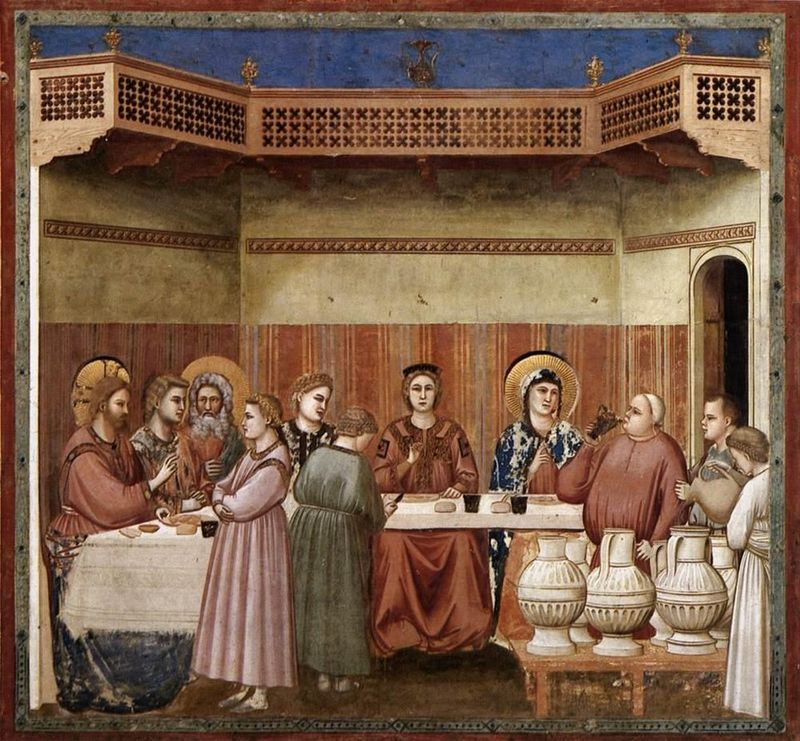
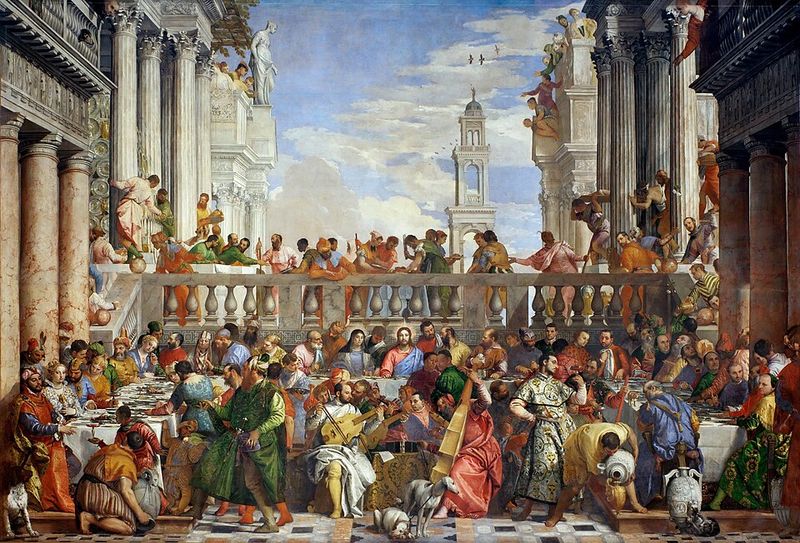
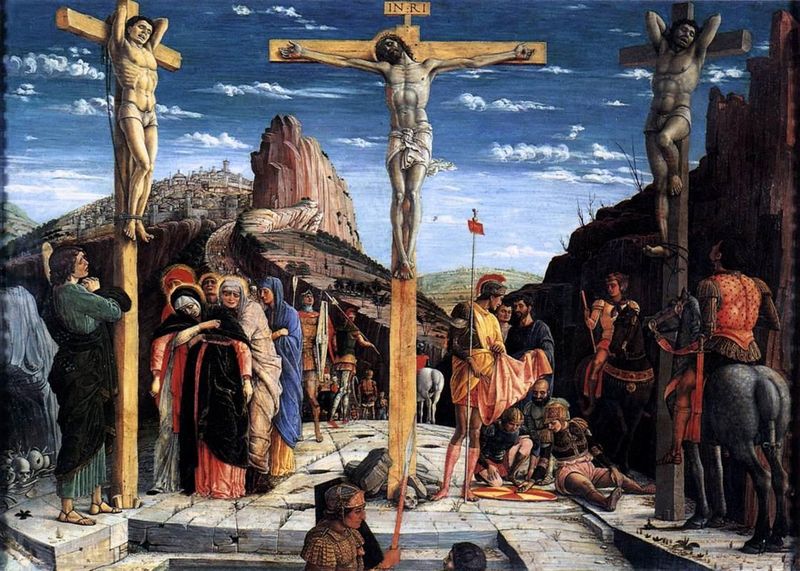
The wedding at Cana and the crucifixion share extraordinary parallels — drink, thirst, the hour, and the mother of Jesus. These connections are the key to understanding John's Gospel.

Jesus addresses Mary as 'woman' at Cana and the cross. The Greek term gynai is respectful but unprecedented when used by a son for his mother. What does John's Gospel accomplish by marking this address?

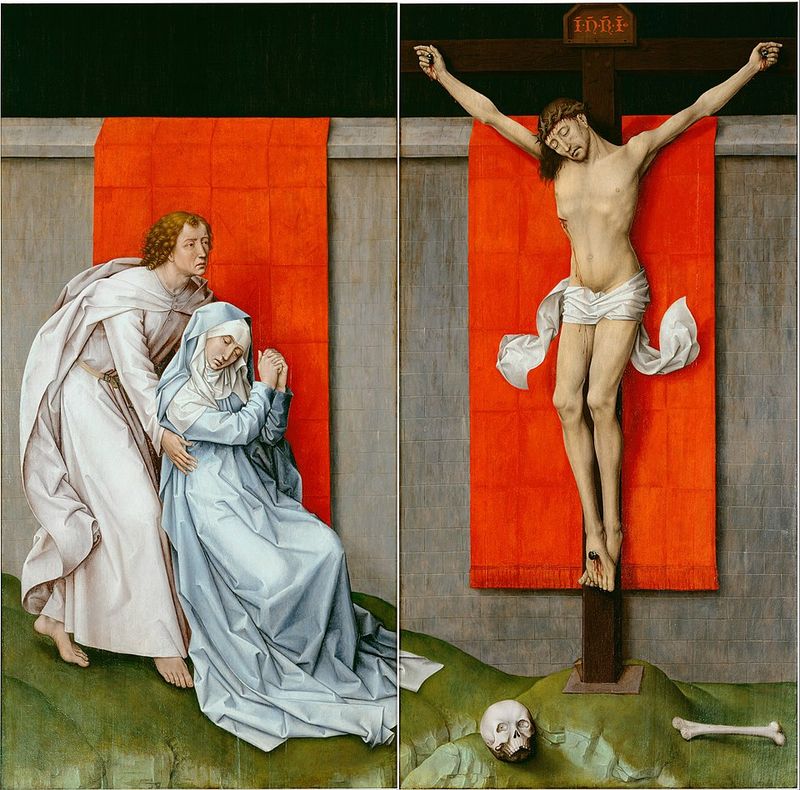
Jesus bypassed his own brothers to commend his mother to the Beloved Disciple. This was not just filial care -- it was a theological act that reshaped how we read John's Gospel.
Get new writing on faith, law, and service delivered to your inbox.
No spam. Unsubscribe anytime.