Modern Per Stirpes: How It Works (with Diagrams and Examples)
Modern per stirpes divides at the first generation with a living heir. Worked diagrams, classic vs. modern comparison, and a state-by-state breakdown.
· 10 min read
Wills, trusts, probate, and the tax rules underneath them — written for Arkansans making decisions, not for other lawyers.
65 articles in this topic
Modern per stirpes divides at the first generation with a living heir. Worked diagrams, classic vs. modern comparison, and a state-by-state breakdown.

A comprehensive guide to estate planning in Arkansas covering wills, trusts, probate, inheritance, and tax strategies — written by an Arkansas attorney.

Military personnel don’t trust their leadership. A veteran’s perspective on why service members lose faith in their officers and what the USS Theodore Roosevelt incident reveals about the institution.
In this post, I discuss the power of appointment and specifically discuss the difference between general and special powers.
Trust distributions can be mandatory or discretionary; creditor access varies sharply by trust type. Spendthrift, support, and discretionary trusts each treat beneficiary creditors differently.
Revocable trusts can be changed at will; irrevocable trusts require settlor + beneficiary consent or a court order. The Claflin Doctrine limits even unanimous post-death modifications.

Charitable trusts must benefit an indefinite class of the public and are exempt from the Rule Against Perpetuities. The cy pres doctrine lets courts modify purposes that become impossible.

Creating a trust requires intent, a transfer of property, and identifiable beneficiaries. For real property, a written instrument is necessary. Here's what the process involves.

Family limited partnerships reduce estate tax through valuation discounts on gifted interests that lack control and marketability — leveraging the annual exclusion to move wealth out of larger taxable estates.

What happens when a will beneficiary dies before the testator? Learn how anti-lapse statutes, class gifts, and contingent beneficiaries protect your estate plan.
An introduction to trusts: the legal/equitable title split, the trustee-as-fiduciary structure, inter vivos vs. testamentary trusts, pour-over wills, and why trusts can be more flexible than wills.

Trustees owe seven fiduciary duties including loyalty, prudence, and impartiality. The No Further Inquiry Rule makes self-dealing a strict liability violation regardless of fairness.
Video wills make for great television but are generally invalid as standalone estate-planning instruments. Wills must be in writing under the Wills Act formalities.
When bequeathed property changes before death, ademption and abatement rules decide what your heirs actually receive. Plan around these doctrines.

A general overview of the Arkansas probate process, from the executor's first filings and creditor notice through estate tax and final distribution.
An ILIT removes life-insurance proceeds from your taxable estate while preserving liquidity to pay estate taxes. Mechanics, the three-year transfer rule, Crummey powers, and 2026-current estate and gift tax thresholds.
Beyond mental incapacity, three additional grounds can invalidate a will: undue influence, fraud, and duress. A guide to proving each — and to tortious interference as an alternative remedy.

A will is often the easiest way to ensure that your property is disposed of in accordance with your wishes after death. Not everyone, however, may draft a valid will — the testator must have the necessary mental capacity at the moment of execution.

In previous posts, I discussed grounds for will contests, including lack of mental capacity undue...

In this post, I discuss the public notice requirement imposed by the probate process.

In this post, I discuss small estate probate in Arkansas, a streamlined probate process that bypasses some of the normal probate headaches.
The dead hand problem asks how far a testator’s control should reach beyond the grave. Courts enforce reasonable conditions but strike down restraints on marriage, religion, and property destruction.

Learn how to revoke a will in Arkansas, including revocation by subsequent writing, physical destruction, dependent relative revocation, and the effects of divorce under Arkansas Code 28-25-109.

How courts handle ambiguous wills—patent vs. latent ambiguity, extrinsic evidence, and the reformation debate—and why careful drafting matters for your estate plan.

How Arkansas inheritance law treats unmentioned children, adopted children, posthumous children, nonmarital children, advancements, and half-siblings — the issues that complicate the otherwise simple per stirpes default.
In this post, I discuss and explain the various different parts of a will and their importance when drafting your will.

Killing the testator or disclaiming your inheritance are the two main bars to inheriting under a will. Three different legal approaches address the slayer rule across jurisdictions.
In this post, I discuss some techniques for estate planning with life insurance, the benefits it can offer, and how it can help address estate tax...
In this guest post, Howard Iken a divorce attorney in Orlando,...
A revocable living trust becomes irrevocable at the settlor's death and operates outside probate. Trust administration and probate run simultaneously but independently.

A Qualified Personal Residence Trust transfers your home to heirs at a reduced gift tax value while you continue living in it. Learn how QPRTs work.

GRATs and GRUTs let you transfer property to heirs at reduced gift tax values. Learn how these grantor retained trusts work for estate planning.

Whole life, term life, and universal life insurance each serve different estate planning purposes. Policy proceeds can be included in your taxable estate depending on ownership structure.
A Grantor Retained Income Trust (GRIT) transfers property out of your taxable estate while you retain its income — a useful estate and gift tax planning strategy.
Charitable remainder trusts, pooled income funds, and gift annuities can reduce your estate tax while supporting causes you care about. Here's how each planned giving strategy works.

In this post, I define a skip person for purposes of the generation-skipping transfer tax and explain how to determine if a property transfer recipient qualifies.
Congress enacted the generation-skipping transfer tax to close a loophole where wealthy families avoided estate tax by transferring assets directly to grandchildren. Three events trigger it.
The Uniform Transfer to Minors Act lets you transfer property to a child through a custodian — here's how it works and the gift, estate, and income tax implications under the current 2026 annual exclusion.
In this post, I discuss the grantor trust and the potential estate planning benefits it can offer.

529 plans offer tax-free growth for education expenses. A special gift tax rule lets you front-load five years of contributions in a single year.

A Crummey Trust qualifies gifts for the annual gift tax exclusion by granting beneficiaries a temporary withdrawal right. Crummey Letters and the 5-by-5 lapse rule are key mechanics.

When a surviving spouse is not a U.S. citizen, the marital deduction is unavailable. A Qualified Domestic Trust (QDOT) defers estate taxes until the spouse's death.
An irrevocable living trust permanently removes property from the settlor's estate while creating a separate tax entity. Mechanics, common uses, the rare-circumstances doctrine that allows judicial modification, and the trade-offs between irrevocability and flexibility.

How Arkansas adult guardianships work, who files, the court's role, and why a durable power of attorney or living trust is usually a better plan.
A QTIP trust lets a decedent provide income to a surviving spouse for life while preserving the underlying property for the decedent's chosen final beneficiaries — common in remarriage planning.

Tenancy by the entirety is the default Arkansas form of marital real-estate ownership and a powerful asset-protection tool — a creditor of one spouse cannot foreclose on the family home so long as the non-indebted spouse retains an interest.
A living will provides healthcare instructions if you become incapacitated. Combined with a healthcare power of attorney, it prevents situations like the Terri Schiavo case.

What a holographic (handwritten) will requires under Arkansas Code § 28-25-104, why establishing the testator's handwriting and intent is harder than a witnessed will, and when a holographic will is genuinely the right tool.

A durable power of attorney survives incapacity, letting your chosen agent act for you without a guardianship proceeding. Here's why it belongs in most estate plans.

A power of attorney authorizes someone to act on your behalf — including selling property and taking out loans. General vs. limited POAs carry very different risks.
In this post, I discuss the pros and cons of a living trust, particularly the benefits and drawbacks it offers as part of your estate plan.
Per capita divides an estate equally among surviving heirs. Per capita at each generation splits it equally at each level. Learn how both methods work and compare to per stirpes.

Per stirpes meaning explained: a Latin phrase that directs how an estate passes when an heir predeceases the testator. Classic vs. modern per stirpes, real examples, state-by-state defaults, and how to draft it in a will.
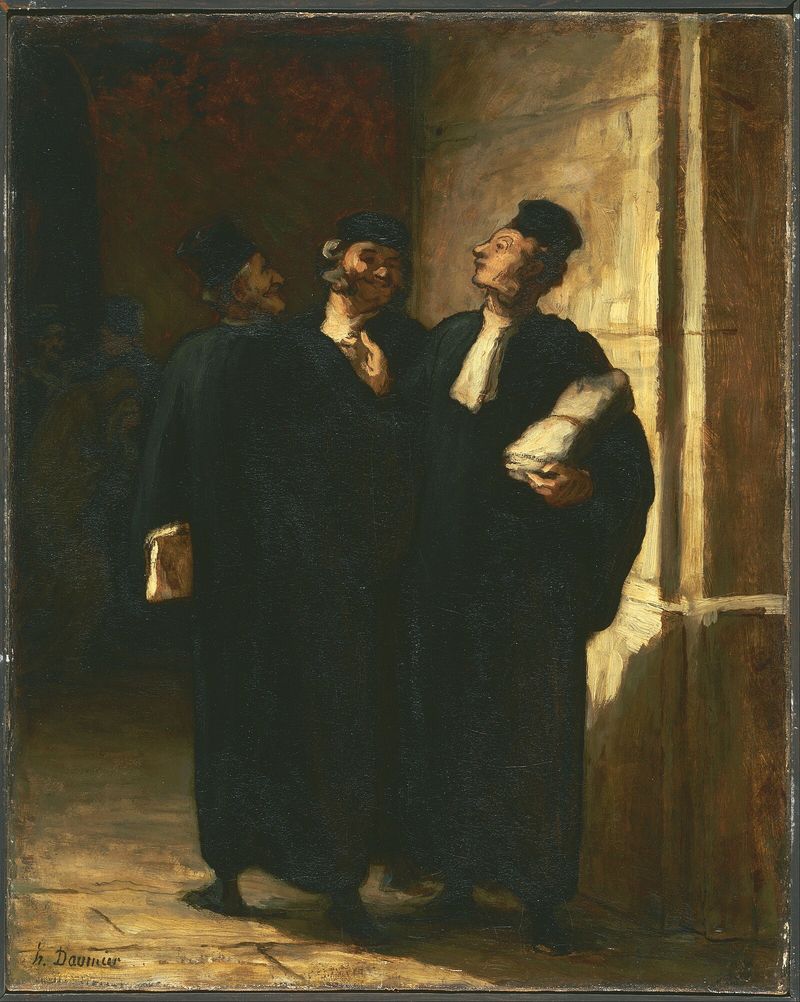
Arkansas requires two competent witnesses for valid will execution and recommends a self-proving affidavit to streamline probate by eliminating the need to locate witnesses later.

Your will doesn't need to list every asset you own. The residuary estate catches everything else — and naming a residuary beneficiary prevents intestacy surprises.

In this post, I discuss the anti-lapse statute, how it affects a bequest to someone who predeceases you, and how it can save an impossible will...
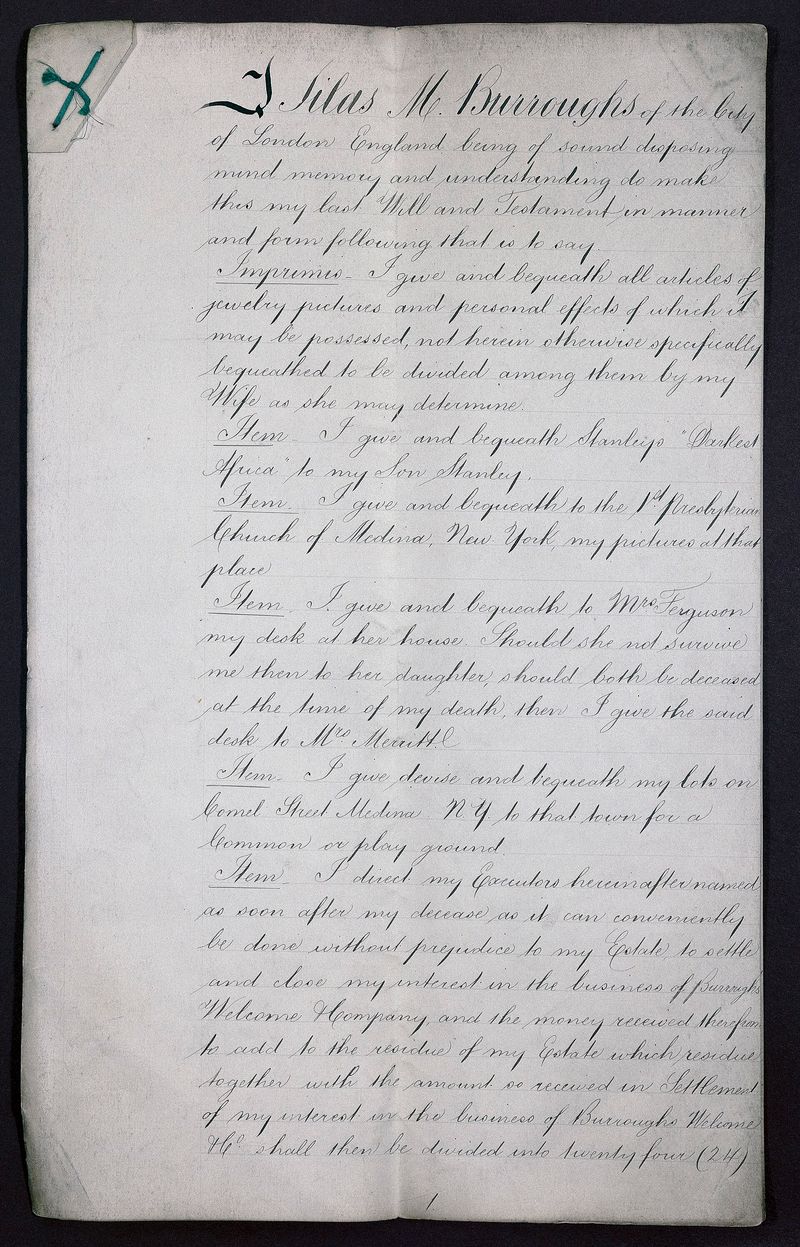
Learn how to disinherit a child in Arkansas. Arkansas’s pretermitted heir statute requires explicit language—simply omitting a child from your will is not enough.

The federal estate tax applies to estates exceeding the basic exclusion amount ($15 million per individual in 2026) after deductions for spousal transfers and charitable gifts. Portability lets spouses share unused exemptions.
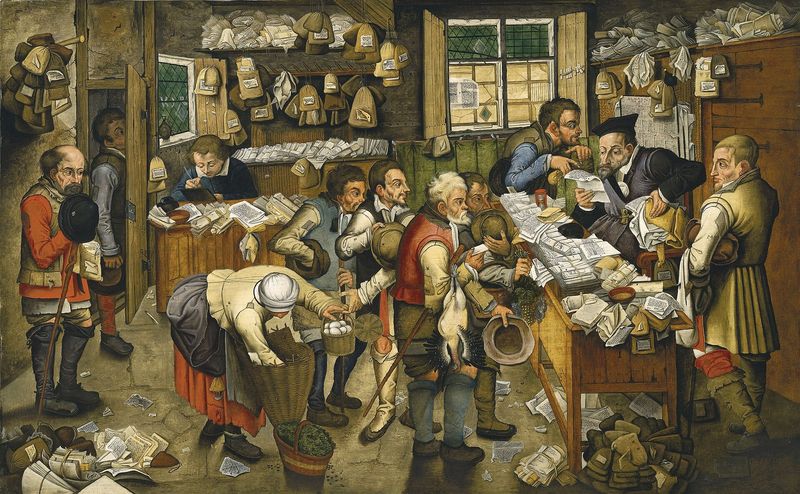
In this post, I discuss how the gifts you make may result in a large tax bill, courtesy of the federal gift tax, and how this backstops the estate tax.

What is a living trust and do you need one? An Arkansas attorney explains how living trusts work, their benefits, and when they make sense.

In this post, I discuss the parental power of attorney and how parents can use it to help provide for their children’s needs.
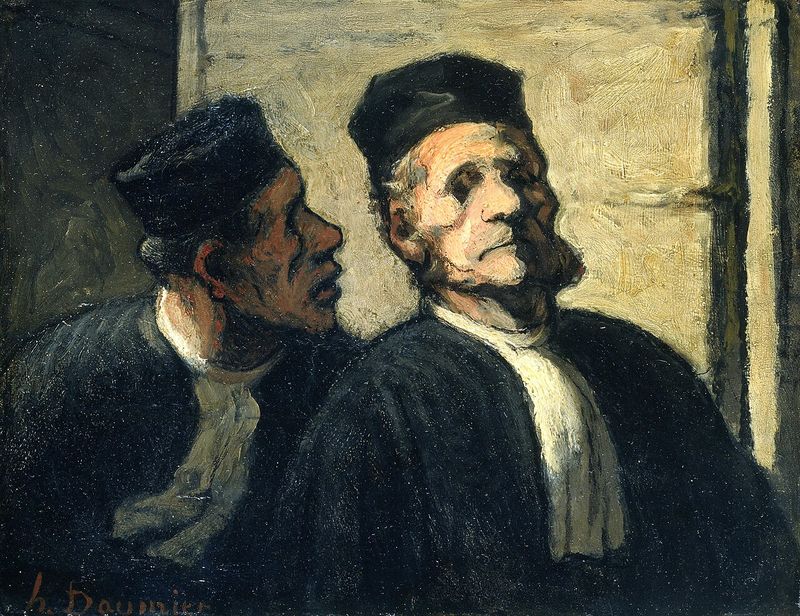
Holographic wills and online services exist, but DIY wills risk invalid formalities and unintended distributions. Here's when hiring an estate planning attorney is worth it.

A gun trust is a legal entity that owns NFA-regulated firearms — bypassing CLEO consent, individual fingerprinting, and photographs while simplifying transfers across multiple trustees.
Get new writing on faith, law, and service delivered to your inbox.
No spam. Unsubscribe anytime.