God Desires All Men To Be Saved
On This Page
“God ‘desires all men to be saved and to come to the knowledge of the truth’: that is, of Christ Jesus.”
Catechism Article 2 (§74): The Transmission of Divine Revelation
74 God “desires all men to be saved and to come to the knowledge of the truth” (1 Timothy 2:4): that is, of Christ Jesus. Christ must be proclaimed to all nations and individuals, so that this revelation may reach to the ends of the earth:
God graciously arranged that the things he had once revealed for the salvation of all peoples should remain in their entirety, throughout the ages, and be transmitted to all generations.
Catechism of the Catholic Church, §74
The opening of Article 2 is deceptively simple: the Catholic Church begins its treatment of divine revelation by affirming that God desires all men to be saved. This is not a novel claim—it is a direct quotation of 1 Timothy 2:4—but it is a profoundly consequential one. By choosing this verse as its starting point, the Church stakes out the interpretive ground on which every subsequent discussion of predestination, election, and the economy of salvation must stand. Everything that follows in Catholic soteriology flows from this first principle: God’s salvific will is universal.
1 Timothy 2:4 and the Question of Predestination
If God desires all men to be saved, what does that say about predestination and election? The Catholic Church does not share the Reformed tradition’s preoccupation with predestination as the organizing principle of soteriology. Where certain strands of Protestantism have labored to remove any trace of human cooperation from the process of salvation—in an effort to purge the last remnant of what they perceive as works-righteousness—the Church has consistently refused to subordinate God’s universal salvific will to a doctrine of unconditional election.
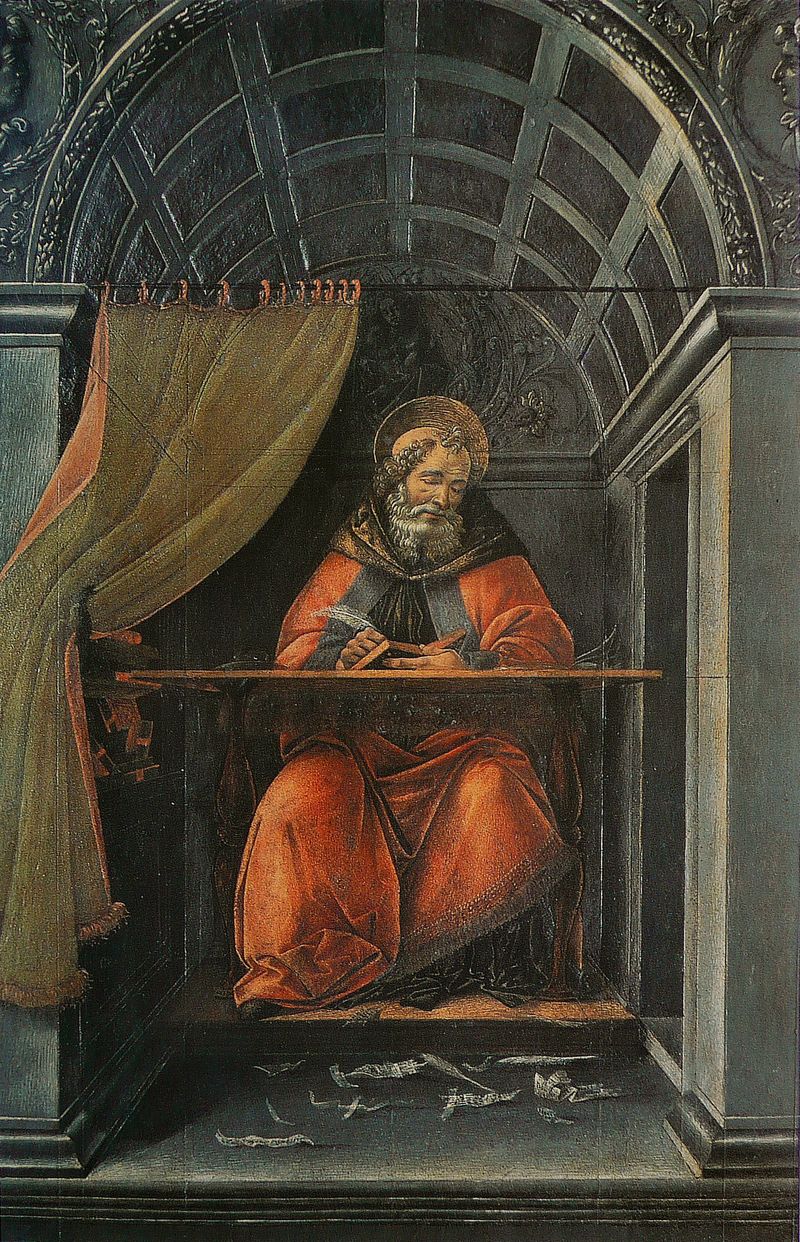
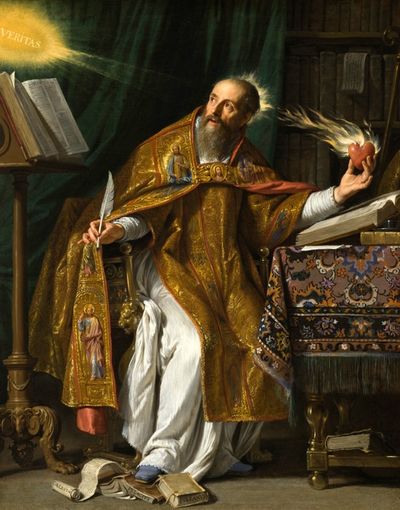
Yet the Church does not simply dismiss the theological tradition that wrestled with these questions. She still affirms St. Augustine as a Doctor of the Church, even though his later writings—particularly De Praedestinatione Sanctorum and De Dono Perseverantiae—advanced a robust doctrine of grace that profoundly influenced John Calvin centuries later. Scholars remain divided over how far Augustine’s thought extends in the direction of what would later become Calvinist soteriology. Catholic scholarship generally holds that Augustine did not teach double predestination—the view that God positively wills the damnation of the reprobate—and that Calvin extended Augustine’s conclusions beyond what Augustine himself intended. The Catholic Encyclopedia’s entry on Predestinarianism traces the origins of that heresy to “the misunderstanding and misinterpretation of St. Augustine’s views.” Augustine remains a Doctor of the Church; Calvinism does not represent his teaching in its fullness.
The Church also condemned Pelagianism at the Council of Carthage in 418 and its more subtle variants at the Second Council of Orange in 529. The Council of Orange is often underappreciated in popular theology, but its twenty-five canons represent one of the most precise statements on grace and free will in the entire conciliar tradition.
Meeting under the presidency of Caesarius of Arles, the fourteen bishops at Orange affirmed the absolute necessity of prevenient grace for every aspect of salvation. Canon 5 teaches that “the beginning of faith” and “the very desire of faith” come from grace, not from any natural capacity of the human will. Canon 7 affirms that without the illumination and inspiration of the Holy Spirit, no one can “consent to the preaching of the Gospel” as is necessary for salvation. The council thereby rejected the Semi-Pelagian position—associated with John Cassian and the monks of Marseilles—that the initium fidei could originate in human initiative apart from grace.
Yet the Council of Orange is equally important for what it refused to affirm. Its concluding statement explicitly condemned double predestination: “We not only do not believe that any are foreordained to evil by the power of God, but even state with utter abhorrence that if there are those who want to believe so evil a thing, they are anathema.” The council fathers found the doctrine not merely erroneous but abhorrent.
The Catholic synthesis holds both truths simultaneously: salvation is entirely God’s gift, and damnation is entirely the creature’s choice. For a fuller comparison, see my posts on Catholic vs. Calvinist predestination and the broader theological divide between Calvinism and Catholicism.
Pope Francis, in Gaudete et Exsultate (2018, §47–62), warned against neo-Pelagian tendencies, reminding the faithful that grace always precedes and enables the human response to God.
Free Will and Divine Election: The Catholic Position
However, the important thing remains that, whatever the Catholic Church’s nuanced beliefs about free will and divine election, she frames the entire discussion with a reference not to Romans 9–11 but to 1 Timothy 2:4.
That God desires all men to be saved is the foundational statement into which ideas of predestination and election must be fit.
Despite the best efforts of Reformed theologians, the reverse route—beginning with unconditional election and fitting God’s universal salvific will into that framework—is logically incoherent. If God has predestined only some to salvation, the plain sense of “desires all men to be saved” must be explained away. The Catholic Church refuses this move. The Catechism states plainly: “God predestines no one to go to hell; for this, a willful turning away from God (a mortal sin) is necessary, and persistence in it until the end” (CCC §1037). The universal offer of grace and the reality of human freedom to accept or reject it—this is the Catholic synthesis, and it has been the Church’s consistent teaching since the earliest centuries.
Salvation Through Jesus Christ
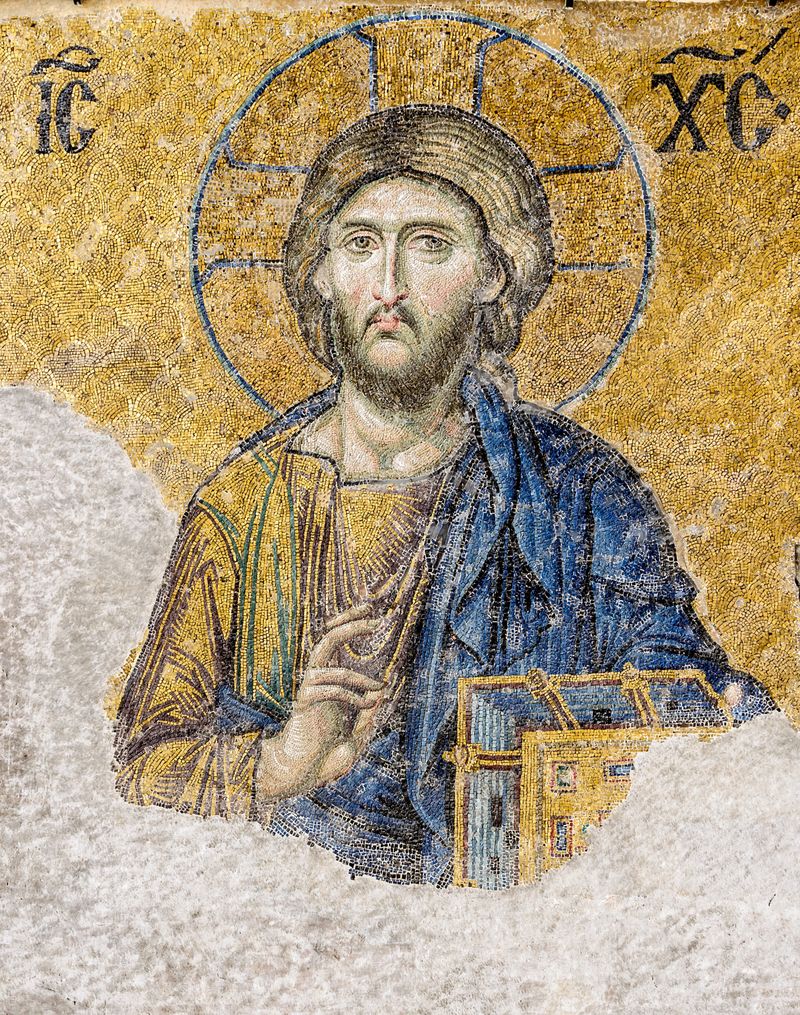
In affirming that God desires all men to be saved, the Catholic Church also identifies the source of that salvation: Jesus Christ. Salvation comes through knowing and affirming the truth of the Gospel of Jesus Christ and through entering into a relationship with him.
It is for this reason that “Christ must be proclaimed to all nations and individuals,” and indeed “to the ends of the earth.”
The Church does not embrace religious relativism—the view that all religions are equally valid paths to God. The Congregation for the Doctrine of the Faith’s declaration Dominus Iesus (2000, §4) firmly rejects what it calls “relativistic theories which seek to justify religious pluralism.” Christ is the one mediator between God and men (1 Timothy 2:5), and the Church is the ordinary means of salvation.
Yet the Church also acknowledges, with pastoral realism and theological humility, that God’s mercy extends beyond the visible boundaries of the Church. The Second Vatican Council taught in Lumen Gentium §16 that those who, through no fault of their own, do not know the Gospel of Christ or his Church, but who nevertheless seek God with a sincere heart and, moved by grace, try in their actions to do his will as they know it through the dictates of conscience—these too may achieve eternal salvation. The Catechism reiterates this teaching at §846-848, affirming that God can lead those who are invincibly ignorant of the Gospel to the faith necessary for salvation by ways known to himself.
This is not pluralism; it is the Church’s recognition that God’s grace operates more widely than human institutions can fully trace. The shared baptism that Catholics and other Christians receive also leads me to affirm that salvation is readily available to Protestants, even if they do not experience the fullness of the Christian faith and thereby lack the best means available to achieve holiness in this life (CCC §1271; Unitatis Redintegratio §3).
I believe this recognition of God’s wider mercy is consistent with the writings of the Church Fathers. Those who seek after God and truth—and who, through no fault of their own, have not come to know the Catholic faith—may, by God’s grace, be ordered toward salvation through means known to God alone. This is a hope the Church permits us to hold, even as she insists that the ordinary and fullest means of salvation is found within her visible communion.
The Means of Salvation
The Catholic Church also affirms that God made the way of salvation available to all peoples through the final revelation in Jesus Christ. God, therefore, arranged that this revelation should, in its entirety, remain “throughout the ages, and be transmitted to all generations.” And it is transmitted through the Church.
The Roman Catholic Church is the depository of the fullness of the faith, containing the full revelation of Jesus Christ through Holy Scripture, the writings of the Church Fathers, the Ecumenical Councils, and the Traditions and clarifying teachings that have been passed down from generation to generation.
The Catholic Church, which Christ established in his ministry on earth, still remains, two thousand years later. Whatever one believes about Catholicism, it remains the most long-lived and successful organization in the world. That is extremely impressive, and it is difficult not to see the hand of divine providence behind it.
As the depository of the fullness of the Christian faith, the Catholic Church has endured—sustained, I believe, by the providential hand of God himself.
Protestantism and the Call to Unity
Protestantism has, in important ways, served the Catholic Church—even where it has opposed her. The Reformers held a mirror up to genuine abuses and institutional failures, and the Church was forced to reckon with them. Protestantism has also carried the Gospel to communities and cultures that the Catholic Church, at various moments in her history, failed to reach, and has cultivated a deep emphasis on personal relationship with Jesus that Catholics would do well to learn from rather than dismiss. Where Protestantism has succeeded, it has often done so in spaces the Catholic Church left vacant. In that sense, Protestant successes are, at least in part, Catholic failures.
I should be clear that what follows is my personal opinion, not Church teaching. The Reformation was a great tragedy for the Church—a wound in the Body of Christ that has never fully healed. Yet I believe that, in his providence, God permitted it and drew good from it. The abuses and failures that provoked it were real, and the Counter-Reformation that followed produced a Catholic Church that is stronger, more self-aware, and more faithful to her own teaching than she might otherwise have been. For that, we owe the Reformers an honest if uncomfortable debt.
None of this, however, leads me to conclude that the continued separate existence of Protestantism serves the Church or the world. The corrective has done its work. If any individual Protestant community were to dissolve tomorrow, the deposit of the Christian faith would not be diminished—because that deposit does not reside in any Protestant institution. It resides in the Catholic Church. What God seems to me to be calling his Church toward is not a standoff between rival communions, but a fullness that can welcome other ecclesial communities into herself—not by demanding their unconditional surrender, but by becoming the kind of Church they would recognize as home. The Council Fathers gestured toward this in Unitatis Redintegratio, speaking of Protestant communities as possessing genuine “elements of truth and sanctification” (§3). Unity remains the goal, and I pray that it one day comes.
Frequently Asked Questions
Does the Catholic Church believe in predestination?
Yes, but not in the way many Protestants use the term. The Catholic Church affirms that God predestines the saved to glory—this is the consistent teaching of Augustine, Aquinas, and the Catechism. What the Church denies is double predestination: the idea that God positively decrees the damnation of the reprobate. The Catechism states plainly that “God predestines no one to go to hell; for this, a willful turning away from God (a mortal sin) is necessary, and persistence in it until the end” (CCC §1037). Within Catholic theology, two major schools—Thomism and Molinism—offer different explanations of how predestination and human freedom relate, and the Church permits both. For a detailed comparison, see my post on Catholic vs. Calvinist predestination.
What does 1 Timothy 2:4 mean?
The Apostle Paul writes that God “desires all men to be saved and to come to the knowledge of the truth.” The Catholic Church reads this verse as affirming God’s universal salvific will—his genuine desire for the salvation of every human person. This is the interpretive starting point for all Catholic soteriology: predestination and election must be understood within the framework of God’s universal love, not the reverse. Reformed theologians have sometimes argued that “all” here means “all kinds of people” rather than every individual—see, for example, Calvin’s commentary on 1 Timothy 2:4, or John Piper’s essay “Are There Two Wills in God?”—but the Catholic tradition, and most patristic commentators, take the plain sense: God truly wills the salvation of each person.
Can a person who is saved lose their salvation?
This question reflects a Protestant framework in which “being saved” is a discrete, point-in-time event. Catholic theology sees it differently: salvation is an ongoing process of justification, sanctification, and—ultimately—glorification. A person who has been justified is genuinely in a state of grace, but that state can be lost through mortal sin. The Council of Trent declared that “if anyone says that a man once justified can sin no more, nor lose grace… let him be anathema” (Session 6, Canon 23). However, the Church also teaches that grace can always be restored through genuine repentance and the Sacrament of Reconciliation, which the Church calls a “second plank after shipwreck” (CCC §1446). For more on this topic, see Can You Lose Your Salvation? Catholic Teaching.
What does the Catholic Church teach about salvation for non-Catholics?
The Church affirms that the Catholic Church possesses the fullness of the means of salvation, but she also acknowledges that God’s mercy extends beyond the Church’s visible boundaries. The Second Vatican Council taught in Lumen Gentium §16 that those who, through no fault of their own, do not know the Gospel but seek God sincerely and try to do his will as known through conscience may achieve salvation by ways known to God alone. This is not religious pluralism—it is the Church’s trust in God’s justice and mercy. See my fuller treatment in Lumen Gentium and Salvation Outside the Church.
Further Reading
- Catholic vs. Calvinist Predestination — How Catholic and Reformed views of election, grace, and free will compare
- Lumen Gentium and Salvation Outside the Church — What Vatican II actually teaches about salvation for non-Catholics
- Can You Lose Your Salvation? Catholic Teaching — Mortal sin, the Sacrament of Reconciliation, and the gift of final perseverance
- Effort and Faith in the Catholic Church — How human cooperation with grace works in Catholic theology
- Pluralism v. Inclusivism: Salvation and Diversity — An academic comparison of pluralist and inclusivist approaches to religious diversity

Garrett Ham
Garrett Ham is an attorney, military veteran, and holds a Master of Divinity from Yale Divinity School. He writes from Northwest Arkansas on theology, law, and service.
More about Garrett →Related Posts
Catholic vs. Calvinist Predestination: What Divides Us and What We Share
How do Catholic and Calvinist views of predestination differ? A comparison of Thomism, Molinism, and Reformed theology on election, grace, and free will.
Lumen Gentium and Salvation Outside the Church
What does Lumen Gentium 16 teach about salvation outside the Church? A clear Catholic explanation of LG 14-16, extra ecclesiam nulla salus, and invincible ignorance.
Can You Lose Your Salvation? Catholic Teaching
Can a Christian lose their salvation? The Catholic Church teaches that mortal sin can sever one's relationship with God — but that grace can always be restored through repentance.
Stay Informed
Get new writing on faith, law, and service delivered to your inbox.
No spam. Unsubscribe anytime.