The Office of Special Trial Counsel
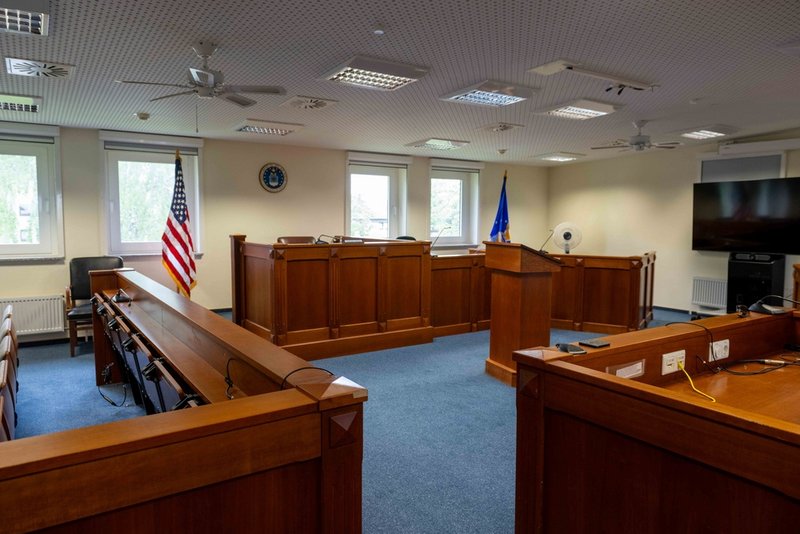
How Article 24a, UCMJ — enacted in the FY 2022 NDAA and effective 27 December 2023 — created the Office of Special Trial Counsel and stripped commanders of authority over covered offenses.
· 5 min read
How the UCMJ works in practice: court-martial procedure, Article 32 hearings, nonjudicial punishment, and the fights over who decides which cases go forward.
14 articles in this topic
How Article 24a, UCMJ — enacted in the FY 2022 NDAA and effective 27 December 2023 — created the Office of Special Trial Counsel and stripped commanders of authority over covered offenses.
How the Article 32 preliminary hearing works after the FY 2014 and FY 2015 NDAA reforms — narrower scope, paper-based practice, waiver, and the OSTC interaction.
How §539E of the FY 2022 NDAA shifted court-martial sentencing from members to military judges in non-capital cases — and what segmented sentencing and sentencing parameters mean in practice.
A former JAG officer with six years of service breaks down what's actually wrong with the military justice system, why Hegseth's diagnosis is correct, and what real JAG Corps reform should look like.
Botched investigations, missing constitutional safeguards, and a sexual assault crisis — a JAG veteran explains why military justice reform must go further than removing commanders from prosecution decisions.

JASOC Week 3: Master military administrative discharge procedures, board processes, and insider tips from an Air Force JAG officer. Learn what to expect.
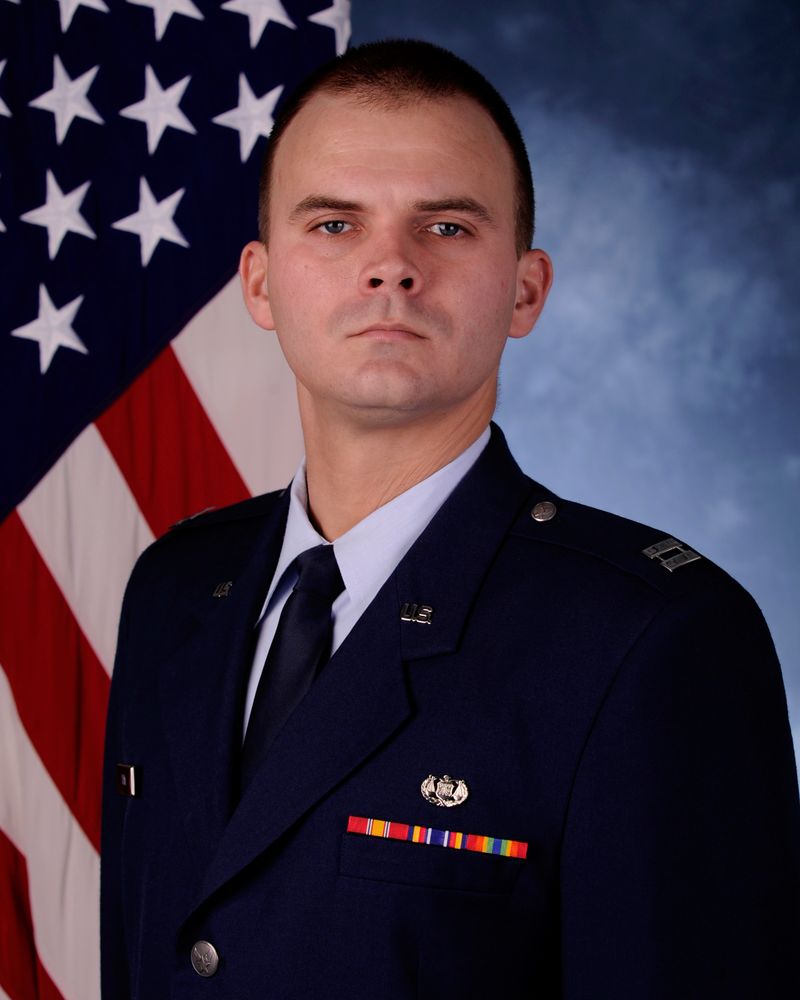
A former Air Force Captain's 2026 guide to the JAG Corps: how to apply, four entry routes, pay and rank, JASOC training, four-year commitment, and whether it's worth joining.
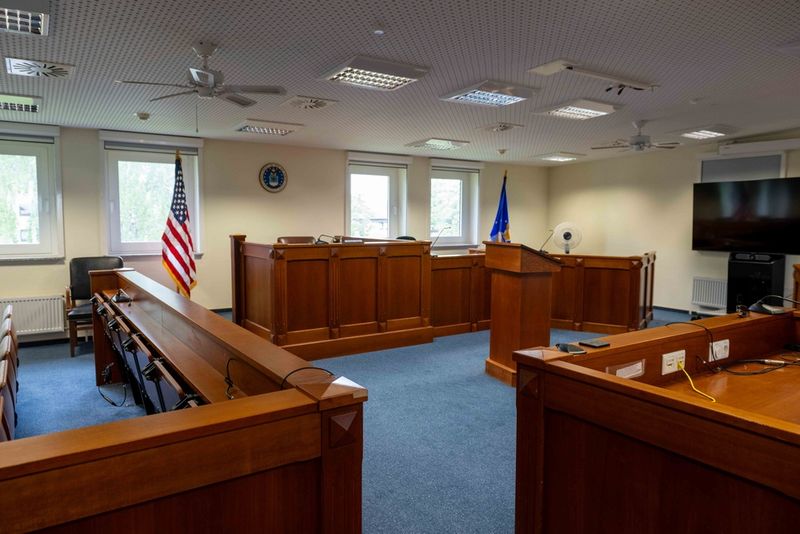
Why probable cause is a binding standard in military justice — not a suggestion — and why prosecutors who ignore it commit legal malpractice. A JAG officer's memorandum.

In this post, I discuss military crimes as a distinct system of criminal law and the general structure of the Uniform Code of Military Justice.
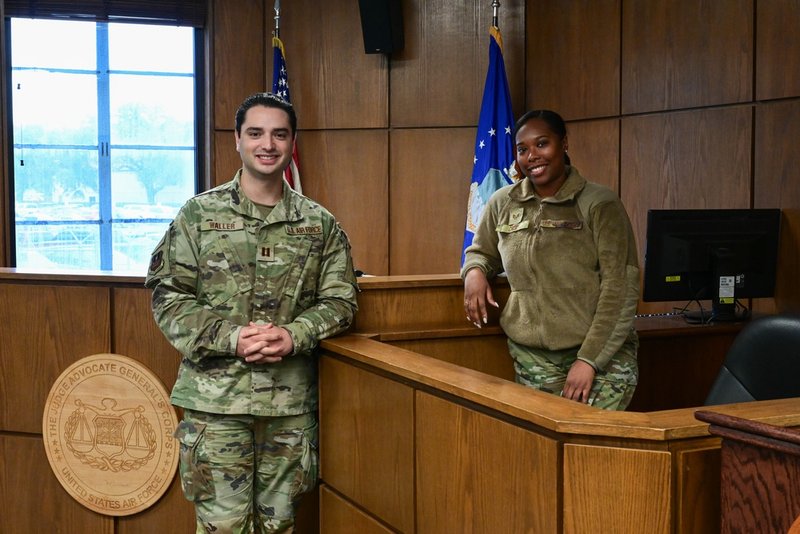
In this post, I discuss the unique rules of professional responsibility imposed on judge advocates practicing within a military context.
How the court-martial process works—from preferral and Article 32 hearings to trial, sentencing, and post-trial review—updated for post-2023 UCMJ reform.
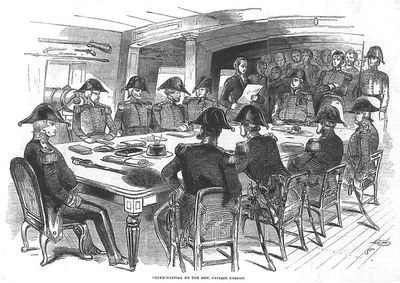
Unlawful command influence (UCI) — the 'mortal enemy of military justice' — covers both accusatory and adjudicative interference with the court-martial process. UCI can be actual or apparent and reaches all ranks subject to the UCMJ.
Get new writing on faith, law, and service delivered to your inbox.
No spam. Unsubscribe anytime.