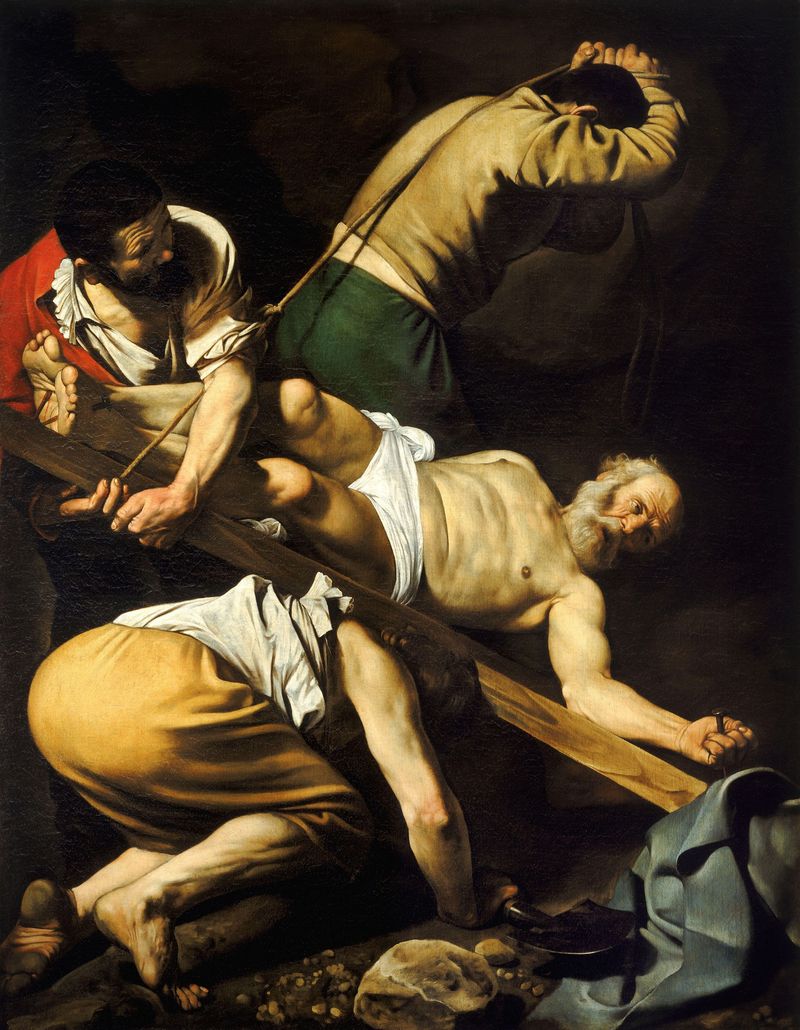
Simon Peter: The Fisherman Who Became the Rock
The life of Simon Peter—first among the apostles and first pope—traced through Scripture, the Church Fathers, and modern archaeology at Capernaum and Rome.
· 47 min read
Who the Twelve were, what they did, and how the earliest sources remember them — one essay at a time.
Jesus chose twelve ordinary men—fishermen, tax collectors, zealots—and entrusted them with an extraordinary mission. This series examines each of the Twelve individually: what the Gospels and Acts tell us, what the Church Fathers preserved, and what modern archaeology and scholarship have uncovered about their lives, their ministries, and their deaths.
The series begins with Simon Peter, who appears first in every New Testament list, and his brother Andrew, the first-called who in the Fourth Gospel brings Peter to Jesus. It turns to John, the Beloved Disciple to whom Mary was entrusted at the cross and the only one of the Twelve to die a natural death, and to John’s brother James the Greater—the “son of thunder” who became the first apostle martyred and whose long medieval cult drew twelve centuries of pilgrimage to Santiago de Compostela.
From there it follows Thomas the Twin, whose doubt yields the highest Christological confession in the New Testament and whose mission carried him to the Coromandel coast of India, where the Mar Thoma Christians of Kerala still venerate him as their apostolic father; Philip, whose “come and see” brings Nathanael to Christ and whose Last Supper question draws the reply “whoever has seen me has seen the Father”—the Johannine taproot of the Catholic doctrine of Christ as the perfect image of the Father; Bartholomew, identified in the Western tradition with Nathanael of Cana, whose relics now rest beside the modern martyrs on Rome’s Tiber Island; and Matthew, the tax collector whose call at the Capernaum customs post became the Church’s enduring image of mercy.
It then takes up the apostles of near-silence: Jude Thaddaeus, whose single question at the Last Supper drew the promise of the Father’s indwelling and who became the patron of hopeless causes; James the Less, whose identity—whether he is also James the brother of the Lord and first bishop of Jerusalem—is the hardest question among the Twelve; and Simon the Zealot, barely more than a name, whose every later itinerary belongs to legend rather than record.
And it closes where the Twelve were broken and then made whole again: with Judas Iscariot, whose name became a synonym for betrayal and over whose eternal fate the Church keeps its reticence, and with Matthias, the disciple chosen by lot in the upper room to take the place Judas had vacated and restore the Twelve.
The life of Simon Peter—first among the apostles and first pope—traced through Scripture, the Church Fathers, and modern archaeology at Capernaum and Rome.
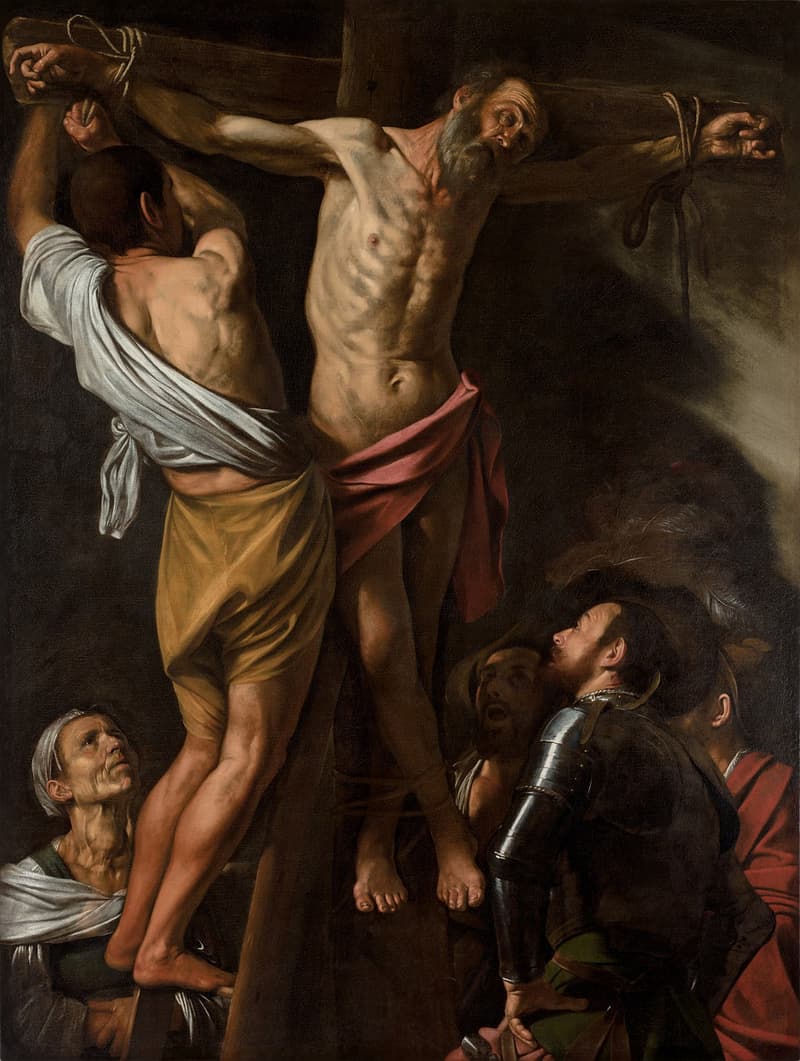
A scholarly account of Saint Andrew the Apostle: New Testament sources, the Patras martyrdom, the saltire X-cross legend, the relics, and Scottish patronage.

A scholarly account of Saint John the Apostle: the New Testament evidence, the Ephesus mission, his care for Mary, the Patmos exile, and why he alone did not die a martyr.

A scholarly account of Saint James the Greater: son of Zebedee, Boanerges, the first apostle martyred, and the twelve-century Compostela tradition.

A scholarly account of Saint Thomas the Apostle: the Johannine doubt scenes, the confession of Christ's divinity, and the Mar Thoma tradition of India.

A scholarly Catholic account of Saint Bartholomew the Apostle — the Nathanael identification, the Eusebius–Pantaenus trace to India, the Armenian Apostolic tradition, and the witness of Catholic liturgy.

A scholarly Catholic account of Saint Philip the Apostle—his four Johannine scenes, the Two Philips problem at Hierapolis, and the witness of Catholic liturgy.

A scholarly Catholic account of Saint Matthew the Apostle: the call at the Capernaum customs post, the Matthew/Levi question, and his contested death.

A scholarly Catholic account of Saint Jude Thaddaeus—the apostle of three names, the Epistle of Jude, the mission legends, and the patron of hopeless causes.

A scholarly Catholic account of Saint Simon the Zealot: what “Cananean” means, why the “Zealot party” label is anachronistic, and why his death is unknown.

A scholarly Catholic account of Judas Iscariot — what his name means, why the Gospels give him two different deaths, what the Church actually teaches about his damnation, and whether he received the Eucharist.

A Catholic account of Saint James the Less—apostle son of Alphaeus, possible brother of the Lord and bishop of Jerusalem, and the brothers of Jesus.

A Catholic account of Saint Matthias, chosen by lot to replace Judas — the first act of apostolic succession and the last casting of lots in Scripture.
Get new writing on faith, law, and service delivered to your inbox.
No spam. Unsubscribe anytime.