The Gospel of John Prologue: A Verse-by-Verse Series
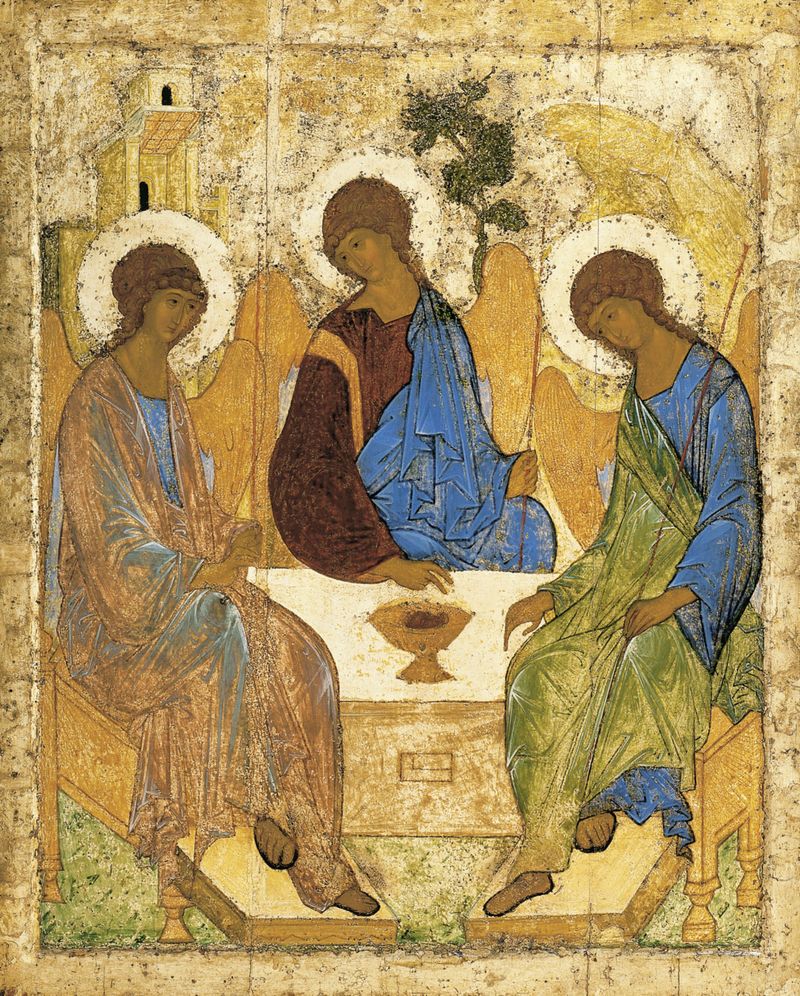
On This Page
Ἐν ἀρχῇ ἦν ὁ λόγος, καὶ ὁ λόγος ἦν πρὸς τὸν θεόν, καὶ θεὸς ἦν ὁ λόγος.
“In the beginning was the Word, and the Word was with God, and the Word was God.” — John 1:1
The Prologue to the Gospel of John (1:1–18) is among the most theologically dense passages in all of Scripture. In eighteen verses, John establishes the preexistence, deity, and incarnation of the Word—the theological architecture on which the rest of the Gospel rests.
This series works through the Prologue verse by verse, engaging with the original Greek, the Catholic doctrinal tradition, and the major commentaries. Each post is designed to stand on its own, but they build on one another. The series will grow as new entries are published.
Published Entries
John 1:1 — In the Beginning Was the Word
A close reading of John 1:1 in the original Greek—the Logos, Colwell’s rule, the anarthrous predicate, and why this verse is the whole Gospel in a single sentence. Explores the relationship between πρὸς τὸν θεόν (“with God”) and θεὸς ἦν ὁ λόγος (“the Word was God”), the Nicene concept of homoousios, and the foundations of Trinitarian theology.
John 1:2 — This One Was in the Beginning with God
Why the apparent repetition of verse 2 is not redundant but structurally essential. John’s use of the demonstrative pronoun οὗτος (“this one”), the twin dangers of Modalism and ditheism, and how this single verse guards the mystery of distinction-within-unity that the Church would later articulate as Trinitarian doctrine.
John 1:3–4 — The Creator Who Became the Light
All things were made through him, and apart from him not one thing was made. The ὃ γέγονεν punctuation problem, the Nestle-Aland “staircase parallelism,” the Incarnation as the “life made in him,” and the Chalcedonian grammar that holds together the paradox of the Creator becoming a creature without ceasing to be the Creator.
John 1:5 — The Light Shines in the Darkness
And the light shines in the darkness, and the darkness did not master it. The present tense of φαίνει and its rhetorical force, the deliberate double meaning of κατέλαβεν (overcome and comprehend), the Jewish roots of John’s light-darkness imagery in Genesis and the Dead Sea Scrolls, the “already / not yet” of eschatology, and the permanence of the Incarnation as the theological warrant for why the light still shines.
John 1:6 — There Came a Man, Sent from God
There came a man, sent from God, whose name was John. The decisive ἦν/ἐγένετο contrast that places the Baptist in the order of the created, the perfect participle ἀπεσταλμένος and its implications for mission as permanent identity, the παρὰ θεοῦ construction that links the Baptist’s sending to Jesus’s own mission language, the historical Baptist rivalry behind the Prologue’s rhetoric, the μαρτυρία theme, the theophoric meaning of “John” as foreshadowing of grace, and the patristic meditation on Christ’s baptism at the hands of the one the Word had sent.
Related Posts
This series intersects with several other posts on the site. For background on the theological traditions and heresies referenced throughout, see:
- The Holy Trinity Explained: A Catholic Guide — a comprehensive introduction to Trinitarian doctrine
- Modalism: The Heresy That Collapsed the Persons of God
- The First Council of Nicaea: What It Decided and Why It Matters
- The Council of Chalcedon
- Apollinarius and His Heresy
- Made in the Image of God: Catholic Theological Anthropology
- Is Jesus God? The Biblical and Catholic Case for the Deity of Christ
- Five Heresies That Misread John 1 — how the Church answered Arianism, Modalism, Adoptionism, Ditheism, and Docetism
- A Glossary of Greek Terms in John 1:1–18 — a reference guide to the key Greek vocabulary of the Prologue

Garrett Ham
Garrett Ham is an attorney, military veteran, and holds a Master of Divinity from Yale Divinity School. He writes from Northwest Arkansas on theology, law, and service.
More about Garrett →Related Posts
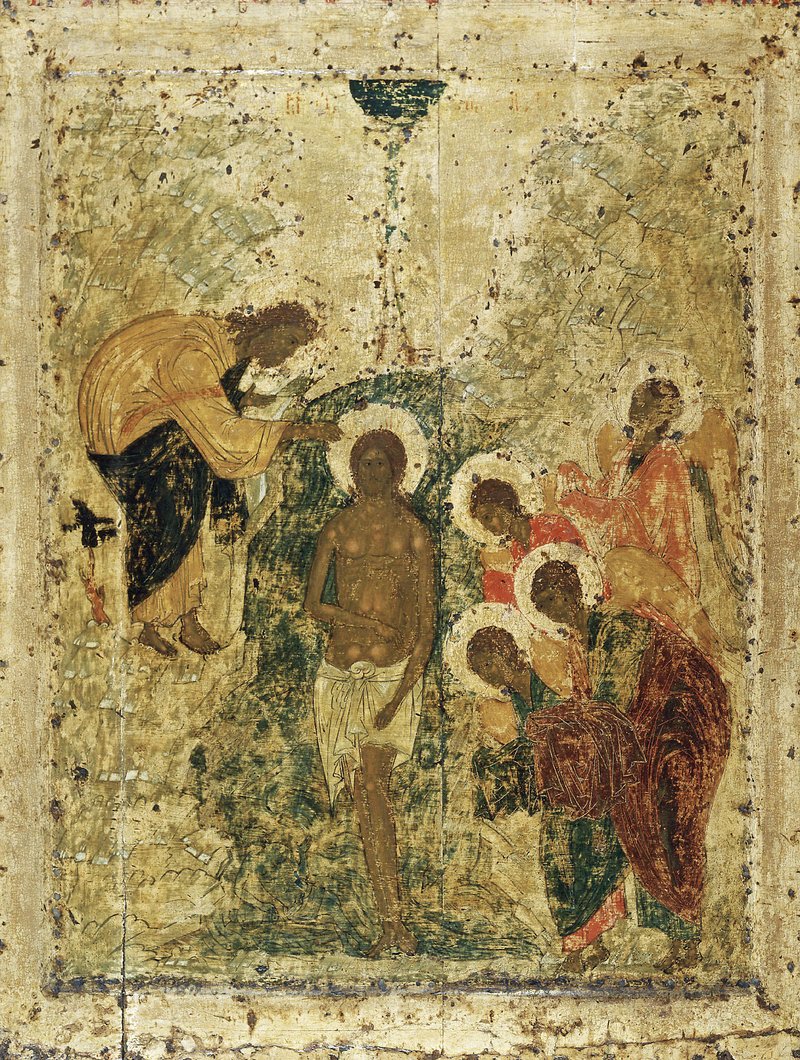
John 1:6 Meaning Explained: There Came a Man, Sent from God
What does John 1:6 mean? A Catholic exegesis of the Greek—the ἦν/ἐγένετο contrast, the perfect participle ἀπεσταλμένος, and John the Baptist as witness.
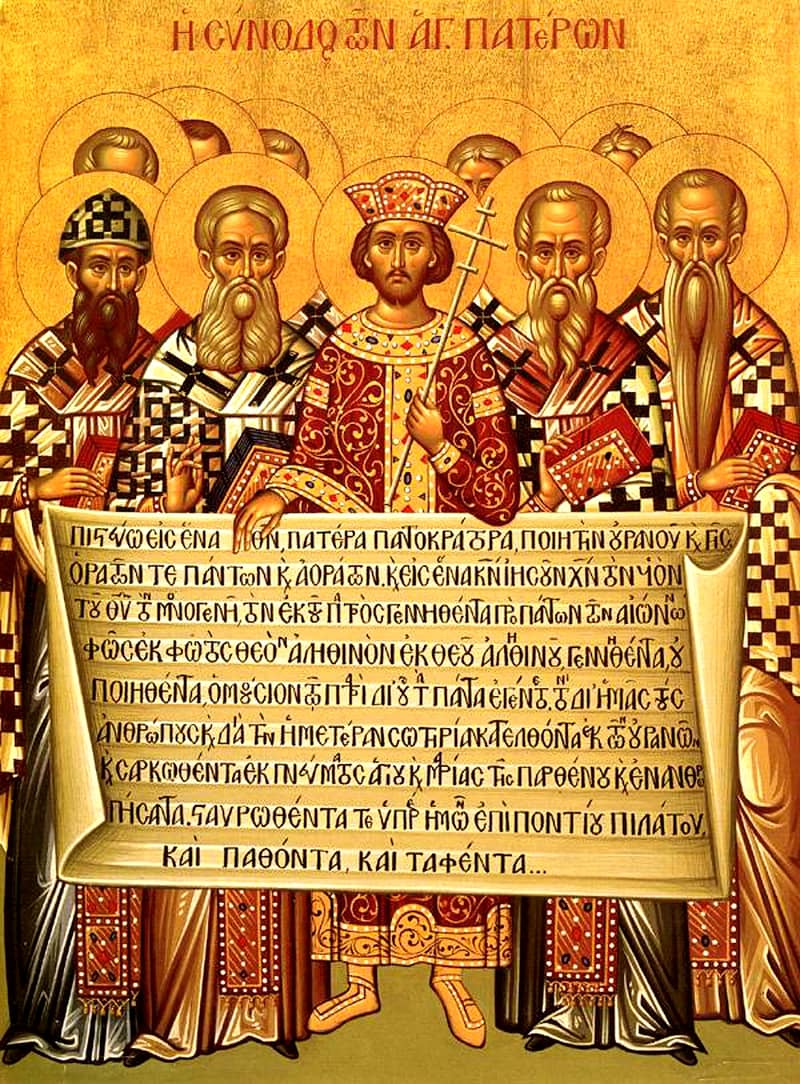
Five Heresies That Misread John 1 — and How the Church Answered Them
Five major heresies misread John 1: Arianism, Modalism, Adoptionism, Ditheism, and Docetism. Learn what each taught, where they went wrong, and how the Church's response was anchored in the text.
John 1:2 Meaning Explained: This One Was in the Beginning with God
What does John 1:2 mean? A close reading in the original Greek — why the repetition guards against Modalism and polytheism, and what it reveals about God.
Stay Informed
Get new writing on faith, law, and service delivered to your inbox.
No spam. Unsubscribe anytime.