Divine Providence and Free Will: A Catholic Guide
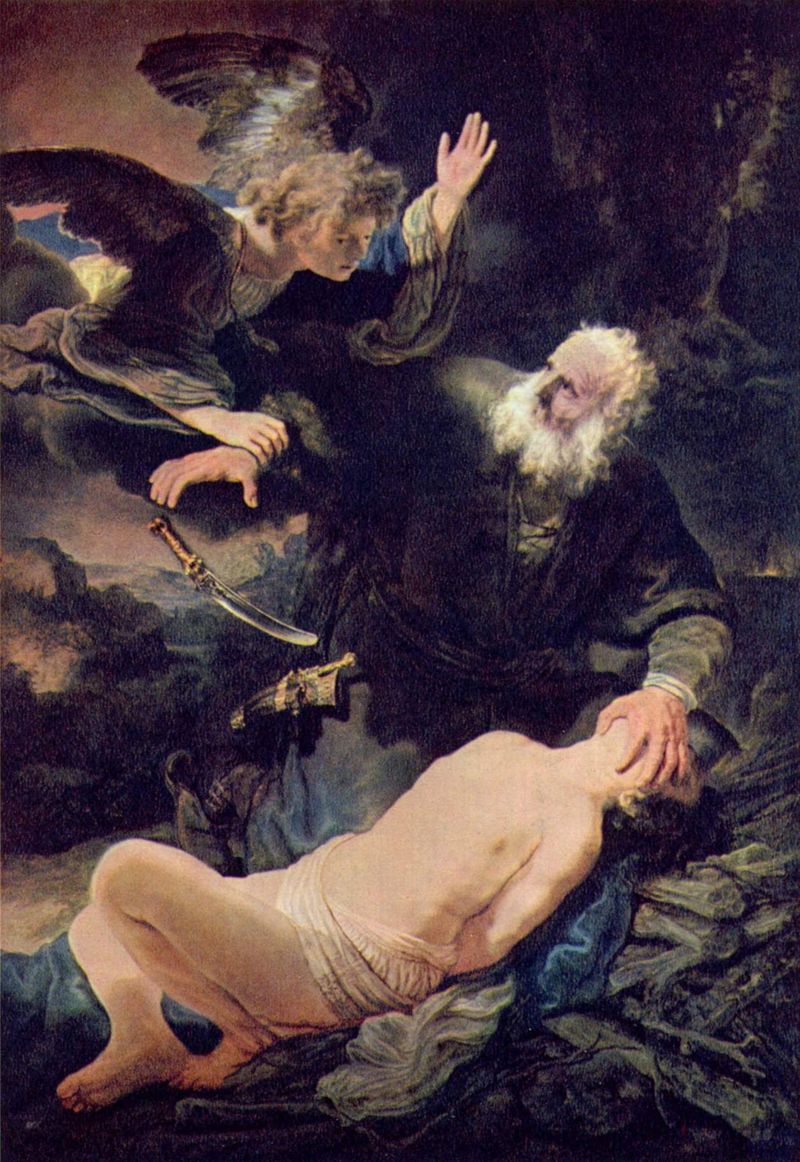
On This Page
The Central Tension
How can God be absolutely sovereign and omniscient while human beings possess genuine freedom? How can an all-knowing God know the future in advance without determining it? These questions lie at the heart of Christian theology and have occupied the Church’s greatest minds for nearly two thousand years.
This tension—between divine providence and human free will—is not a marginal academic debate. It touches the meaning of prayer, the nature of moral responsibility, the reality of grace, and our understanding of God himself. Do we pray because it changes God’s mind, or because God foreknew we would pray? If God knows what I will choose, am I truly free? Does God’s governance of creation require that He determine every detail, or can He be sovereign while remaining genuinely open to human choices?
The Catholic tradition does not shy away from these questions. Instead, it has developed profound theological frameworks—particularly Thomism and Molinism—that attempt to honor both divine omniscience and human freedom without collapsing one into the other. This cluster of articles explores the major positions in this ongoing conversation, from classical Catholic theology to modern evangelical alternatives like open theism and process theology.
The Core Frameworks
These articles introduce the major Catholic positions and the foundational doctrines they rest upon.
Divine Foreknowledge and Free Will: The Catholic Answer — An overview of the classical problem and how Catholic theology has traditionally solved it. This is the foundational essay for understanding the entire cluster.
Does God Know the Future? What Catholics Believe — An accessible introduction to Catholic teaching on God’s foreknowledge, written for readers new to the topic.
Molinism: Divine Sovereignty and Human Freedom — A comprehensive exploration of Luis de Molina’s theory of “middle knowledge,” a major modern Catholic framework that attempts to give God knowledge of all future free choices without determining them.
Divine Simplicity: God’s Absolute Oneness — The foundational Catholic doctrine that God is absolutely simple, without parts or composition. This doctrine shapes how Catholics understand divine attributes like omniscience, omnipotence, and eternality.
The Comparisons
These articles examine how different theological frameworks relate to one another—both within Catholic theology and in comparison to evangelical and process alternatives.
Open Theism vs. Molinism: A Catholic Comparison — Two competing frameworks that both defend libertarian human freedom, explained side-by-side. Open theists deny that God foreknows future free choices; Molinists affirm it.
Open Theism vs. Process Theology: What’s the Difference? — Two modern alternatives to classical theism, and how they differ in their critiques of God’s omniscience and power.
Is Molinism Compatible with Thomism? — An exploration of the debate within Catholic theology between those who defend the Thomist view (God knows future contingents through His eternal mode of being, and in the Bañezian development, through His predetermining decrees) and Molinists (God has logically prior knowledge of what any free creature would choose in any circumstances).
Divine Providence Models Compared — A reference guide comparing classical theism, Molinism, open theism, and process theology in a visual format.
The Heterodox Alternatives
These articles evaluate non-Catholic positions that challenge the classical framework—positions that Catholics should understand but ultimately reject.
Open Theism: A Catholic Evaluation — A comprehensive evaluation of the open theist position—which holds that God is omniscient but that future free choices are not yet settled realities and therefore not objects of definite knowledge—from a Catholic theological perspective.
Process Theology: A Catholic Evaluation — An analysis of how process theology redefines divine omnipotence and immutability, showing where it diverges from Catholic teaching.
The Openness of God (1994): Summary and Catholic Response — A summary of the influential 1994 evangelical volume that brought open theism to mainstream evangelical attention, catalyzing widespread debate. With a Catholic theological response.
Greg Boyd’s Open Theism: A Catholic Critique — An examination of the most publicly visible contemporary open theist, exploring his arguments and their compatibility with Catholic doctrine.
Related Topics
These essays explore connected theological themes that illuminate the divine providence debate.
Catholic vs. Calvinist Predestination — How the Catholic and Reformed theological traditions differ in their understanding of God’s predestination and election.
The First Vatican Council — The conciliar definitions that gave definitive dogmatic formulation to Catholic teaching on divine providence and human freedom, codifying parameters already present in prior tradition.
Theology Glossary: Key Terms in the Divine Providence Debate — A reference guide to essential theological terminology used throughout this cluster.
Where to Start
If you’re new to this topic, begin with Divine Foreknowledge and Free Will: The Catholic Answer, which introduces the classical problem and the major Catholic responses. If you prefer a lighter introduction, Does God Know the Future? What Catholics Believe is more accessible.
If you’re already familiar with Catholic theology and want to dive deeper, Molinism: Divine Sovereignty and Human Freedom and Divine Simplicity: God’s Absolute Oneness provide the theological depth you’re looking for.
And if you’re curious about evangelical alternatives or want to understand why open theism and process theology diverge from the Catholic tradition, the articles in “The Heterodox Alternatives” section are designed for that exploration.
The mystery of divine providence and human freedom will never be fully resolved this side of eternity. But the Catholic tradition offers us profound theological resources for thinking clearly about it—resources tested by centuries of prayer, scholarship, and lived experience. These articles aim to make that tradition accessible and relevant for contemporary readers seeking to understand how God’s infinite wisdom and our finite but real freedom coexist in God’s providential plan.
Garrett Ham
Garrett Ham is an attorney, military veteran, and holds a Master of Divinity from Yale Divinity School. He writes from Northwest Arkansas on theology, law, and service.
More about Garrett →Related Posts
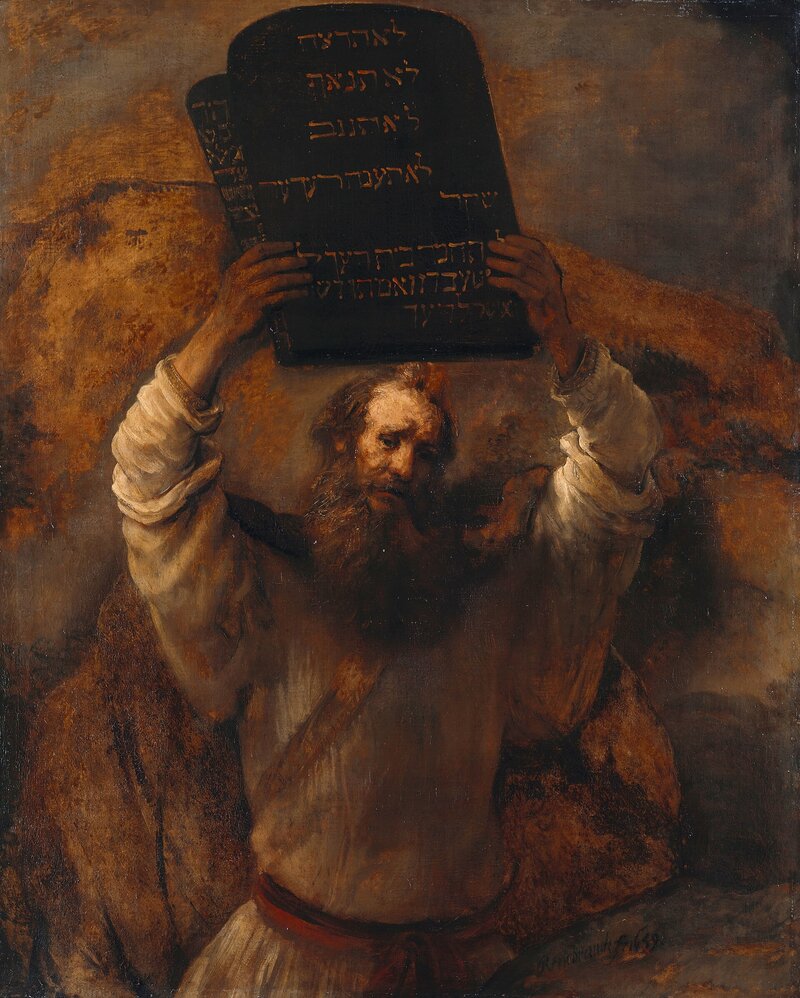
Open Theism: A Catholic Evaluation
What is open theism? A Catholic evaluation of the open model of God, its scriptural case, philosophical arguments, and why it falls outside defined Catholic dogma.
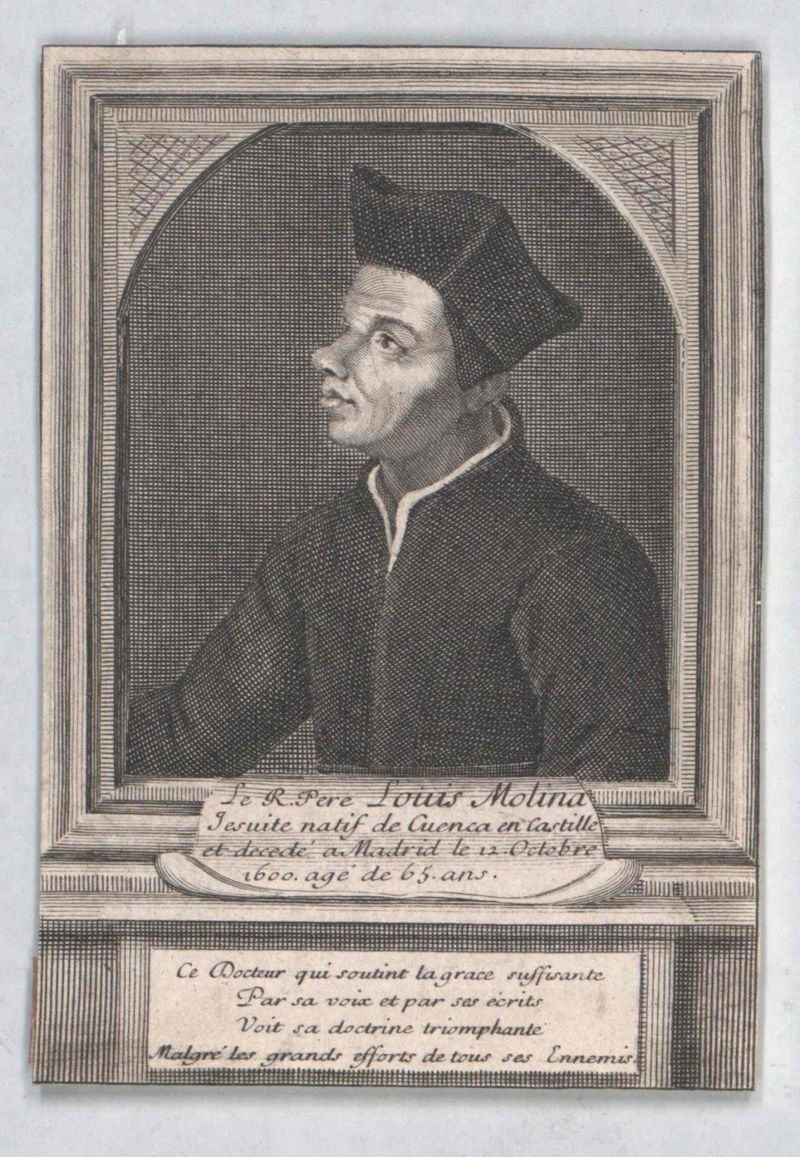
Molinism: Divine Sovereignty and Human Freedom
What is Molinism? Luis de Molina's middle knowledge (scientia media), the De Auxiliis controversy, and how Molinism compares to Thomism and Calvinism.
Divine Foreknowledge and Free Will: The Catholic Answer
Can God know the future and humans still be free? The Catholic intellectual tradition offers robust answers through Thomism and Molinism. Here’s how they work and why they matter.
Stay Informed
Get new writing on faith, law, and service delivered to your inbox.
No spam. Unsubscribe anytime.