Executing a Will in Arkansas
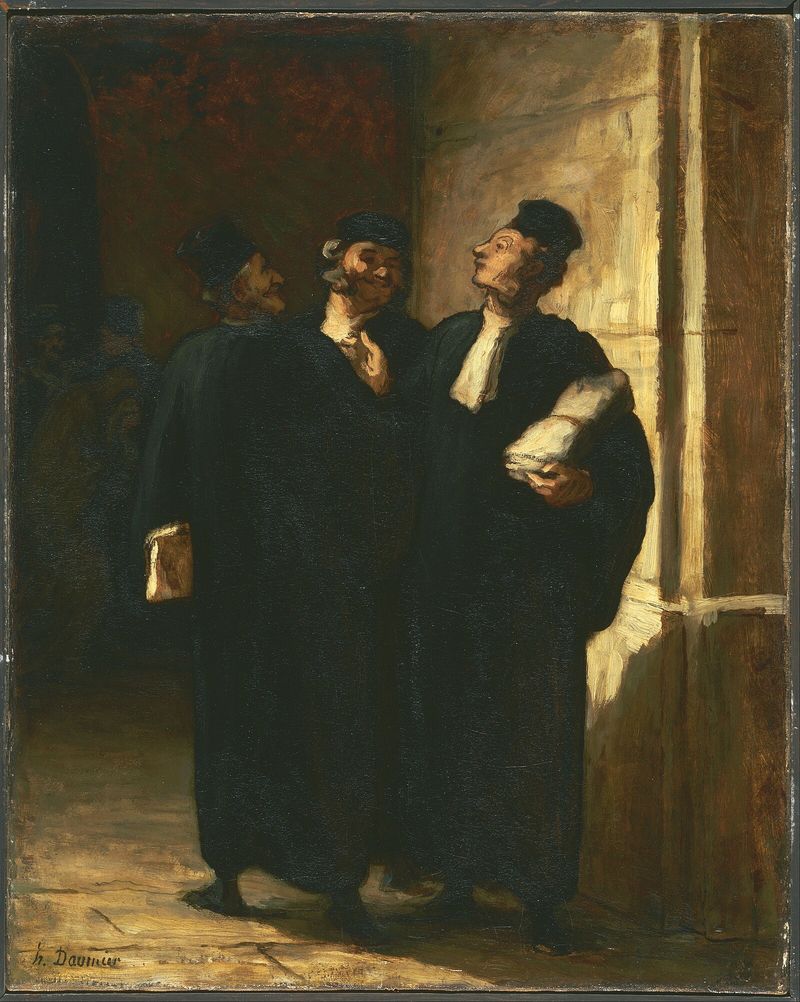
Despite popular images to the contrary, forming a will is much more than simply making your desires known. To prevent fraud and to ensure that the testator’s wishes are accurately carried out, courts generally require that certain formalities be followed when executing a will for it to be considered valid.
While many states, including Arkansas, recognize the validity of holographic wills, as I discussed in a previous post, such wills are generally undesirable and best saved for the most extreme of circumstances. In this post, I will discuss what formalities are required in properly executing a will.
Witnesses Necessary for Executing a Will
Formalities for executing a will generally do not apply to holographic wills, which require only that the material provisions be in the testator’s handwriting, that the will be signed, and that the document clearly identify itself as the testator’s last will and testament. For attested wills — which are much more desirable — certain formalities must be followed when executing the will.
An attested will is a will that the testator signs in the presence of two competent witnesses, each of whom signs the will in the testator’s presence. While Arkansas does not require notarization for the will itself to be valid, attaching a notarized self-proving affidavit at the time of execution is universally recommended (see below). Concerns over fraud and coercion strongly disfavor a beneficiary serving as a witness — under Arkansas’s purging rule, an interested-witness bequest is void to the extent it exceeds what the witness would have received under the intestacy statute.
When these witnesses sign the will, they are testifying that they observed the testator sign it and that there did not appear to them to be any impairment of the testator’s ability to execute a will — such as coercion, lack of capacity, or undue influence.
When executing a will, it is also important to include a self-proving affidavit, which is a document signed by the testator and the two witnesses before a notary, under penalty of perjury, attesting that the witnesses observed the testator sign the will and heard the testator declare that the document was their last will. A self-proving affidavit allows the probate court to admit the will without having to track down the witnesses to testify years later.
Other Parties Associated with a Will
There are three fiduciary capacities associated with a will:
- Executor: the person who administers the estate through probate.
- Trustee: the person acting as trustee for any testamentary trust created under the will.
- Guardian: the person the will names as a guardian for any minor or incapacitated children.
If the will does not specify that a fiduciary can serve without a bond, the fiduciaries will generally have to file a bond with the probate court. A bond protects against financial loss caused by a fiduciary’s failure to properly follow the terms of the will, but premiums are an estate expense — including a “without bond” clause for trusted fiduciaries is a small drafting choice that often saves thousands of dollars.
Executing a will in Arkansas is not a complex affair, but it must be done properly to ensure that a court will hold it valid. These simple formalities exist because the testator will no longer be available to testify when the will takes effect. If circumstances change after a will is executed, you always have the option of revoking the will and creating a new one.
Disclaimer: This post is for informational purposes only and is not legal advice. Will-execution formalities vary by state and can have catastrophic consequences if mishandled. Consult a qualified Arkansas attorney about your specific situation.

Garrett Ham
Garrett Ham is an attorney, military veteran, and holds a Master of Divinity from Yale Divinity School. He writes from Northwest Arkansas on theology, law, and service.
More about Garrett →Related Posts

The Arkansas Probate Process
A general overview of the Arkansas probate process, from the executor's first filings and creditor notice through estate tax and final distribution.

The Holographic Will
What a holographic (handwritten) will requires under Arkansas Code § 28-25-104, why establishing the testator's handwriting and intent is harder than a witnessed will, and when a holographic will is genuinely the right tool.

The Arkansas Anti-Lapse Statute
In this post, I discuss the anti-lapse statute, how it affects a bequest to someone who predeceases you, and how it can save an impossible will...
Stay Informed
Get new writing on faith, law, and service delivered to your inbox.
No spam. Unsubscribe anytime.