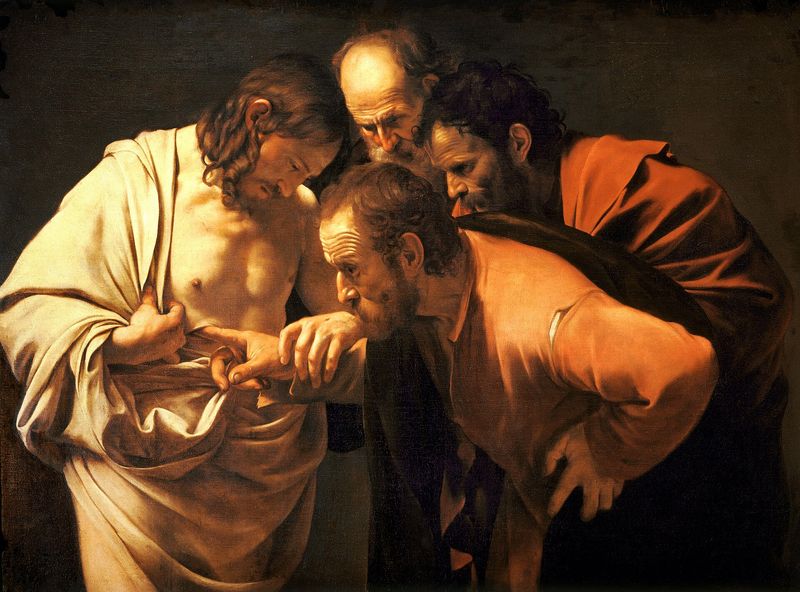
Joseph Ratzinger, Doubt, and Humility
How Joseph Ratzinger's writings on doubt cultivate Christian humility—and why the humble submission of doubt to faith is more honest than relativism.
· 15 min read
Pope Benedict XVI on faith, doubt, theology, and the Catholic confrontation with relativism.
Joseph Ratzinger—Pope Benedict XVI—may be the most consequential theologian to occupy the throne of Saint Peter in centuries. Across more than half a century as professor, peritus at the Second Vatican Council, prefect of the Congregation for the Doctrine of the Faith, and pope, he produced a body of work that returns again and again to a few central questions: How does the believer hold faith in the face of pervasive doubt? What is the Church’s task in a culture of relativism? How does theology serve the community rather than the academy?
This page collects my writing on Ratzinger, drawn first from the systematic theology coursework I took at Yale Divinity School and continuing into ongoing reading and reflection. The posts below treat Ratzinger as a Catholic thinker in continuity with Aquinas, Newman, and the patristic tradition, while taking seriously the modern philosophical challenges to which he was responding.
Start here: If you’re new to Ratzinger, begin with Joseph Ratzinger and the Purpose of Theology, which lays out his vision of theology as the Church’s living conversation with God. Then read Joseph Ratzinger, Doubt, and Humility, which works out his account of doubt as a universal human experience and humility as the proper Christian response.
How Joseph Ratzinger's writings on doubt cultivate Christian humility—and why the humble submission of doubt to faith is more honest than relativism.

How Joseph Ratzinger grounds theology in the Church as a living conversation with God, drawing humanity together in Christ's liberating work.
Get new writing on faith, law, and service delivered to your inbox.
No spam. Unsubscribe anytime.