John 1:5 Meaning Explained: The Light Shines in the Darkness
On This Page
καὶ τὸ φῶς ἐν τῇ σκοτίᾳ φαίνει, καὶ ἡ σκοτία αὐτὸ οὐ κατέλαβεν.
“And the light shines in the darkness, and the darkness did not master it.”—John 1:5 (author’s translation)
John 1:5 in Three Translations
NABRE: “The light shines in the darkness, and the darkness has not overcome it.”
KJV: “And the light shineth in darkness; and the darkness comprehended it not.”
NET: “And the light shines on in the darkness, but the darkness has not mastered it.”
Greek (NA28): καὶ τὸ φῶς ἐν τῇ σκοτίᾳ φαίνει, καὶ ἡ σκοτία αὐτὸ οὐ κατέλαβεν.
The Tense-Shift That Changes Everything
To understand the meaning of John 1:5, we need to feel the force of what changes when we arrive at it. The Prologue’s first four verses are governed by past-referring verbal forms: the imperfect ἦν (was) for the eternal being of the Word, and the aorist ἐγένετο (came into being) for creation through him. The Word was; all things came to be. Even the perfect γέγονεν in the contested punctuation of verses 3–4 looks backward—to a completed act whose results endure.
Then comes verse 5, and the tense-shift becomes striking. καὶ τὸ φῶς ἐν τῇ σκοτίᾳ φαίνει—and the light shines in the darkness. φαίνει is the present indicative of φαίνω. More precisely, it portrays the shining with imperfective aspect: the action as in progress, ongoing, unfolding.1 After the series of past-referring forms in verses 1–4, this is a shift of considerable rhetorical force. John does not say the light shone—as though the Gospel were an archive of concluded events. He says it shines. The story he is about to tell is not merely history; it is a present, living proclamation. The Word who was in the beginning, who was with God and who was God, who brought life to what came into being—that same Word continues to shine as light for humanity now, available to all who will receive him.
What Does κατέλαβεν Mean: Overcome, or Comprehend?
Then John pivots once more: καὶ ἡ σκοτία αὐτὸ οὐ κατέλαβεν—and the darkness did not master it. The verb καταλαμβάνω carries a broad semantic range: physical seizure, temporal overtaking, and cognitive apprehension. The major lexica—BDAG, Liddell–Scott–Jones, Thayer—consistently list “seize,” “grasp,” “comprehend,” and “overtake” as live options.2 The King James tradition renders it “comprehended it not”; the NET Bible translates “the darkness has not mastered it,” explicitly preserving the polysemy; most contemporary translations prefer “overcome.”
This ambiguity is almost certainly intentional. John’s Prologue is dense with double meanings—a feature Raymond E. Brown documents throughout his Anchor Bible commentary—and here κατέλαβεν may carry both senses simultaneously: the darkness has neither overcome (or defeated) the light nor understood it. The patristic tradition exploits precisely this range.
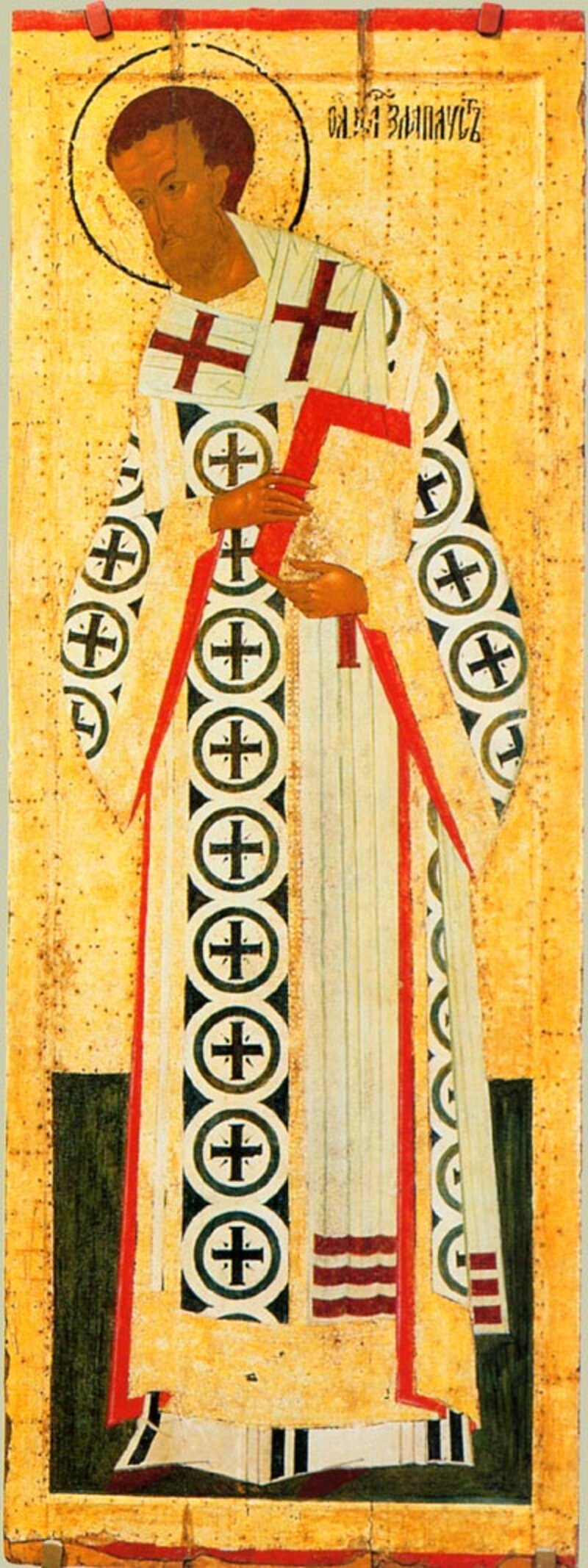
Augustine foregrounds the epistemic-moral dimension: darkness is the blindness of foolish hearts; the light is present like the sun, but the blind are absent from it. Origen reads in the direction of hostile pursuit: “did not overtake it” implies the darkness was actively chasing the light and failed. Chrysostom combines the senses—“it cannot be overcome”—while stressing that God draws human beings not “by necessity and force” but by consent. Cyril of Alexandria safeguards divine inviolability while carefully maintaining human vulnerability.3 These are not competing readings so much as harmonizing facets of a purposefully polyvalent verb.
John 1:5 in Catholic Interpretation
The Catholic interpretive tradition reads John 1:5 within the full arc of salvation history and the dogmatic framework of the Incarnation. The Church Fathers cited above—Augustine, Origen, Chrysostom, Cyril—are not merely historical curiosities; they are voices within a living tradition that the Catholic Church draws on authoritatively. The Catechism of the Catholic Church (§§456–478) grounds the “light” of the Prologue in the permanent assumption of human nature by the eternal Son, and the eschatological framework of the “already / not yet” that structures Catholic teaching on the Kingdom is visible here in embryonic form. Unlike Protestant traditions that tend to isolate individual verses, the Catholic reading situates John 1:5 within the full witness of Scripture, Tradition, and the Magisterium—a reading in which the Prologue is not simply a theological preface but a Christological confession with binding doctrinal weight.
Why I Translate “Did Not Master It”
It is because of this ambiguity that I prefer the translation “the darkness did not master it,” because it preserves the double meaning found in the Greek. “The darkness did not master it” could mean both that the darkness was unable to overcome or defeat the light in a conflict between the two, and that the darkness did not understand or comprehend the light—the way a student might fail to master a subject. I believe John had both of these in mind, and that the word choice was therefore deliberate. John could have used other words to more explicitly make his point if he had meant either one or the other.
Creation, New Creation, and the Jewish Background of Light and Darkness
It is easy to read John’s light-darkness antithesis as purely metaphysical or Hellenistic, but its roots run deep into Jewish Scripture and tradition. The Prologue’s opening word—Ἐν ἀρχῇ—is a deliberate echo of Genesis 1:1, and the progression from darkness to light in John 1:5 resonates with the primal act of creation: God said, let there be light. John is not merely borrowing an abstract dualism; he is recasting the story of creation.4 The Gospel of John is, among other things, a new-creation narrative: the Word through whom all things came into being now enters the darkness of the old order as the light of the new.
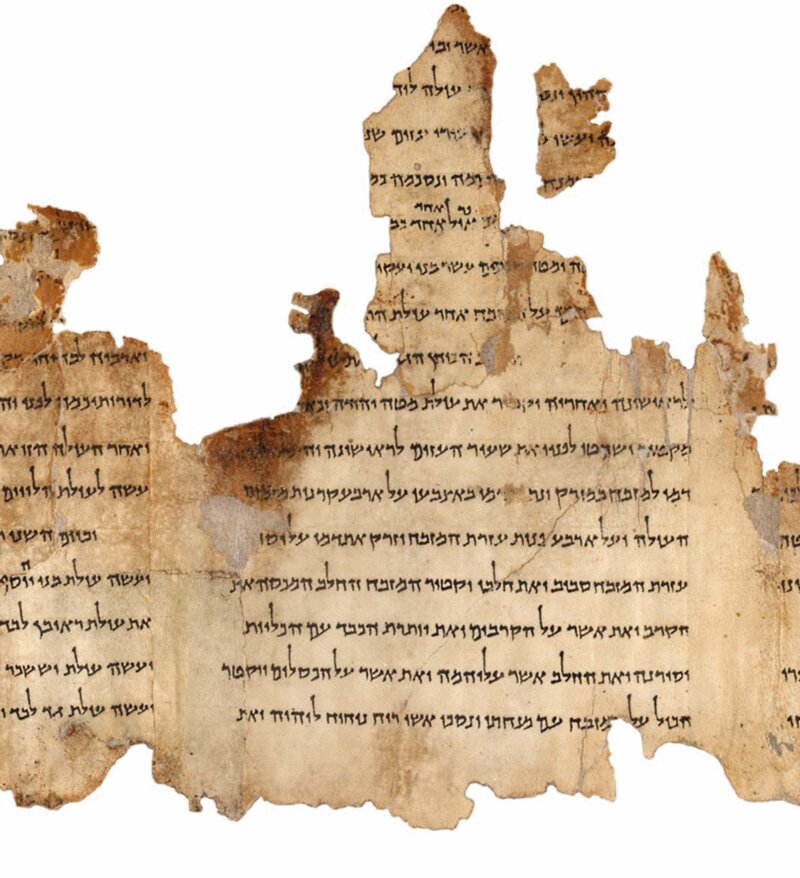
The light-darkness symbolism also inhabited a rich Jewish apocalyptic universe. The Dead Sea Scrolls—particularly the Community Rule (1QS) and the War Scroll (1QM)—employ explicit “sons of light / sons of darkness” language and frame an eschatological conflict between the forces of light and the armies of darkness.5
John’s imagery would have been immediately legible in this register: the σκοτία of verse 5 participates in a familiar symbolic universe of covenant, creation, judgment, and apocalyptic conflict. This is not Gnostic dualism—which posits two co-eternal principles—but covenantal Jewish eschatology in which the one God’s sovereignty over creation is vindicated through a decisive confrontation with the forces of darkness.
Darkness Defeated, Darkness Still Present: The Already and Not Yet
In John’s statement that the light shines while the darkness did not overcome it, two things are simultaneously affirmed: the light’s invincible, present-tense reality, and the genuine existence of an opposing darkness that made a real attempt against it. John does not say there is no darkness. He says the darkness failed. This is not a pastoral abstraction—it is a bow to the experience of his original audience. They were suffering. Evil was not an intellectual puzzle for them but a daily weight. And to them John writes that the evil still prowling in the world has already been defeated, that what they are enduring are the last gasps of a losing cause.
The theological register for this is the “already / not yet” of eschatology, and it has deep roots in Catholic doctrine. The Catechism of the Catholic Church describes the present age as the time of the Spirit and witness “but also” the time of “the trial of evil.” Lumen Gentium speaks of the kingdom of Christ as “now present in mystery” and growing in the world—language that fits a proleptic victory alongside ongoing struggle.6 The war is won; the peace is not yet fully restored. The Allies took the beaches on D-Day, but German resistance continued for months. That is the structure of the eschatological moment in which we live: decisive defeat accomplished, final peace not yet fully restored. Oscar Cullmann classically articulated this framework in Christ and Time (1950), comparing Christ’s victory to the decisive battle that determines the outcome of a war even though fighting continues until the armistice.
The Light Is Invincible—but Individual Souls Are Not
Two qualifications are essential here, however. First, at the level of human experience and moral life, the patristic tradition is consistent: darkness still poses a real danger to individual souls. Cyril of Alexandria explicitly argues that if it were impossible for some to be apprehended by darkness, Christ would not have spoken as he did. The invincibility is the invincibility of the Light itself—not a guarantee that no individual will be ensnared. This is why John’s Gospel, after the Prologue, deploys the light-darkness antithesis through the entire narrative: belief and unbelief, walking in the light and preferring darkness, are live options for real human beings in a real moral drama. The Prologue introduces a major theme of the Gospel—not a theme it exhausts.
Human Freedom and the Offered Light
Second, John’s recognition that darkness exists is a recognition that human freedom is real. We are not puppets in some divine theatrical. There is genuine resistance, genuine refusal, genuine evil. Chrysostom says it precisely: God draws human beings not by necessity and force, but by will and consent. The light that shines in the darkness is offered, not imposed. This preserves both divine sovereignty—the light cannot be extinguished—and genuine human culpability: those who love darkness rather than light bear responsibility for that preference.
The Incarnate Word and the Permanence of the Light
The full weight of verse 5 comes into view when read against the Christological confession that grounds the Prologue. The light that continues to shine is not an impersonal cosmic force. It is the life that was in him—the life that was the light of men—and “him” is the Word who, as John will declare in verse 14, became flesh and dwelt among us. The permanence of the light is grounded in the permanence of the Incarnation itself.
Catholic doctrine is explicit on this point: the Incarnation is not a temporary condescension but an abiding assumption. The Catechism articulates it with precision: “What he was, he remained and what he was not, he assumed.”7 The eternal Son who took on human nature did not lay it aside at the Ascension. The Incarnate Word, Jesus Christ, still exists as true God and true man; the glorified humanity through which salvation was accomplished is a permanent feature of the eternal Son’s personal identity. This is the ultimate theological warrant for the present tense of φαίνει: the light shines, and it shines because the one who is the light has not ceased to be what he became for us. As the Council of Chalcedon confessed: two natures, one Person—without confusion, without change, without division, without separation.
John’s Gospel, then, is not antiquarian history—a record of events that once mattered but are now safely past. It is a living proclamation. The Word who was in the beginning, through whom all things came into being, who brought light into the darkness of human existence, still offers that light now. The story John tells still matters, still reaches out, still awaits a response. The Gospel does not end at Calvary, or at the empty tomb, or even at Pentecost; it ends in every moment in which the light continues to shine—and, by God’s grace, is received.
If you are following this series through John’s Prologue, the previous posts explore John 1:1 and the grammar of divine identity, John 1:2 and the structural safeguard against Modalism and polytheism, and John 1:3–4 on the Creator who became the light. You may also find it helpful to read the reflections on the Council of Nicaea and the Council of Chalcedon, which trace the Christological grammar this post draws upon.
How Major Translations Render John 1:5
The differences between English translations of John 1:5 are unusually revealing, because they reflect a genuine ambiguity in the Greek verb κατέλαβεν. No single English word fully captures what the Greek holds together, which is why attention to the original language matters here more than in most verses.
John 1:5 KJV: “Comprehended It Not”
The King James Version renders John 1:5 as: “And the light shineth in darkness; and the darkness comprehended it not.” The KJV’s choice of “comprehended” foregrounds the cognitive-epistemic sense of κατέλαβεν: the darkness failed to understand the light. This reading has deep roots in the Latin Vulgate (non comprehenderunt) and in Augustine’s exegesis, which emphasizes the moral blindness of those who fail to perceive the light of Christ even when it is present before them. For readers in the KJV tradition, the emphasis falls on human inability or refusal to grasp the divine reality that has entered the world.
John 1:5 NABRE: “Has Not Overcome It”
The New American Bible Revised Edition, the standard translation used in Catholic liturgy in the United States, renders the verse: “The light shines in the darkness, and the darkness has not overcome it.” This translation foregrounds the adversarial-cosmic sense of κατέλαβεν: the darkness actively opposed the light and was defeated. The NABRE reading aligns with the eschatological “already / not yet” framework and with the Johannine narrative arc in which the world’s hostility toward Jesus culminates at the cross—and fails.
John 1:5 NET: “Has Not Mastered It”
The NET Bible translates: “And the light shines on in the darkness, but the darkness has not mastered it.” Of the major English translations, the NET comes closest to preserving the deliberate polysemy of the Greek. “Mastered” can mean both “overcome” (as in a physical contest) and “comprehend” (as in mastering a subject). This is why I adopt a similar strategy in my own translation: “the darkness did not master it” holds both senses together, as John almost certainly intended.
Watch: Bishop Barron on Christmas and the Prologue of John
Bishop Robert Barron reflects on the theological depth of John’s Prologue—the Logos, the light that shines in the darkness, and the Incarnation that grounds it all.
Study & Reflection Questions
These questions are designed for personal study, small group discussion, or Bible study preparation.
-
John shifts from the imperfect ἦν (“was”) and aorist ἐγένετο (“came into being”) to the present-tense φαίνει (“shines”). What difference does this tense-shift make for how we read the Gospel? How does it change whether we experience the Prologue as a historical report or a living proclamation?
-
The verb κατέλαβεν can mean both “overcome” and “comprehend.” Consider a situation in your own experience where evil seemed both hostile and uncomprehending toward goodness. How do both dimensions of κατέλαβεν illuminate that situation?
-
John’s light-darkness imagery echoes Genesis 1 and resonates with the Dead Sea Scrolls’ “sons of light / sons of darkness” language. How does grounding this imagery in Jewish covenant theology rather than Gnostic dualism change what “darkness” means in the Gospel?
-
The “already / not yet” of eschatology holds together the light’s invincibility and the reality of ongoing darkness. Where in your own life do you experience this tension between a decisive victory and an unfinished peace?
-
Cyril of Alexandria insists that the invincibility of the Light does not guarantee that individual souls will not be ensnared by darkness. How does this qualification function as both a warning and an invitation? What does it say about human freedom?
-
The permanence of the light is grounded in the permanence of the Incarnation—“What he was, he remained and what he was not, he assumed” (CCC §470). What difference does it make that the Son still exists as true God and true man, rather than having temporarily adopted a human nature and set it aside?
-
John writes that the light is “offered, not imposed”—that God draws by “will and consent,” not “necessity and force” (Chrysostom). How does this shape your understanding of evangelization? Of the moral life? Of the nature of love?
What Does “The Light Shines in the Darkness” Mean?
The phrase “the light shines in the darkness” in John 1:5 is not a metaphor for optimism or a vague statement about good prevailing over evil. It is a theological claim grounded in the Prologue’s identification of the “light” with the eternal Word—Jesus Christ—who entered the concrete reality of human sin, ignorance, and hostility toward God. The Greek present tense φαίνει (“shines”) signals that this is not a concluded event but an ongoing, present-tense reality: the light of Christ continues to shine now. The “darkness” draws on Jewish creation theology (Genesis 1) and apocalyptic tradition (the Dead Sea Scrolls), not Gnostic dualism. And the second clause—“the darkness did not master it”—affirms that this darkness, though real and actively hostile, has been decisively defeated by the light of the Incarnate Word.
Frequently Asked Questions
What does John 1:5 mean?
John 1:5 declares that the light—identified throughout the Prologue with the eternal Word who is Jesus Christ—shines in the darkness, and that the darkness has not overcome or comprehended it. The verse simultaneously announces the invincibility of Christ’s light and the reality of an opposing darkness that attempted, and failed, to extinguish it. The present tense (“shines”) signals that this is not merely a past event but an ongoing reality: the light of Christ continues to shine now.
What does “the darkness did not overcome it” mean in John 1:5?
The Greek verb κατέλαβεν (from καταλαμβάνω) carries a deliberately double meaning. It can mean “overcome” or “defeat” in the adversarial sense, and it can also mean “comprehend” or “grasp” in the cognitive sense. Most scholars believe John intended both meanings: the darkness neither defeated the light nor understood it. The KJV renders it “comprehended it not”; modern translations tend toward “overcome”; the NET Bible’s “mastered” preserves both senses.
What is the Greek word for “overcome” in John 1:5?
The Greek verb is κατέλαβεν (katelaben), the aorist form of καταλαμβάνω (katalambanō). Its semantic range includes physical seizure, temporal overtaking, and cognitive apprehension—making it one of the most theologically rich verbs in the Prologue. The major Greek lexica (BDAG, Liddell–Scott–Jones, Thayer) all attest to this breadth of meaning.
Why does John use the present tense “shines” in John 1:5?
The present-tense φαίνει (“shines”) is a deliberate rhetorical shift from the imperfect (“was”) and aorist (“came into being”) forms that dominate verses 1–4. By switching to the present, John signals that the Gospel is not merely a historical report about past events. The light of the Word is an ongoing, present-tense reality. This verb form carries what Greek linguists call imperfective aspect—portraying the action as in progress and unfolding, not completed.
Is John 1:5 about Gnostic dualism?
No. While John’s light-darkness antithesis superficially resembles later Gnostic categories, its roots are in Jewish Scripture and tradition, not Hellenistic dualism. The Prologue’s opening words echo Genesis 1:1, and the light-darkness conflict resonates with Jewish apocalyptic literature like the Dead Sea Scrolls (the Community Rule and War Scroll). Unlike Gnostic dualism, which posits two co-eternal principles, John’s theology affirms the one Creator God whose sovereignty over creation is vindicated through a decisive confrontation with the forces of darkness.
What do the Church Fathers say about John 1:5?
The patristic tradition reads John 1:5 with remarkable range. Augustine emphasizes the epistemic-moral dimension: darkness is the blindness of foolish hearts, and the light is present even when the blind fail to perceive it. Origen reads κατέλαβεν as hostile pursuit—the darkness actively chased the light and failed. Chrysostom combines both senses while insisting that God draws human beings by will and consent, not compulsion. Cyril of Alexandria guards the divine Light’s inviolability while maintaining that individual souls remain genuinely vulnerable to darkness.
What does “the light shines in the darkness” mean?
The phrase “the light shines in the darkness” (John 1:5) uses the Greek present tense φαίνει to declare that the light of the eternal Word—Jesus Christ—is not a concluded historical event but an ongoing, present-tense reality. The “darkness” refers not to an abstract metaphysical principle but to the concrete reality of sin, ignorance, and hostility toward God. John’s imagery draws on Jewish creation theology (Genesis 1) and apocalyptic tradition (the Dead Sea Scrolls), not Gnostic dualism. The verse affirms that this darkness, though real, has been decisively defeated.
What does “already / not yet” mean in eschatology?
The “already / not yet” is a theological framework describing how the decisive victory of Christ has already occurred, but its full effects have not yet been realized in history. Applied to John 1:5: the light has already triumphed over the darkness (the “already”), but darkness continues to exist and to pose a genuine threat to individuals (the “not yet”). The Catechism of the Catholic Church describes the present age as the time of the Spirit and witness “but also” the time of “the trial of evil,” and Lumen Gentium speaks of the kingdom of Christ as “now present in mystery” and growing in the world.
For Further Study: Commentaries and Sources
- Raymond E. Brown, The Gospel According to John I–XII, Anchor Bible 29 (New York: Doubleday, 1966), pp. 6–37—the standard critical commentary on the Fourth Gospel; indispensable for any serious study of the Prologue.
- C. K. Barrett, The Gospel According to St John, 2nd ed. (Louisville: Westminster John Knox, 1978), pp. 155–162—a classic British commentary; concise, exegetically rigorous, and especially strong on the Greek text.
- Craig S. Keener, The Gospel of John: A Commentary, 2 vols. (Peabody: Hendrickson, 2003), commentary on John 1:1–18—the most comprehensive recent commentary; encyclopedic on historical and cultural background.
- Mary L. Coloe, God Dwells with Us: Temple Symbolism in the Fourth Gospel (Collegeville: Liturgical Press, 2001)—essential for the creation and temple framework underlying the Prologue.
- Francis J. Moloney, The Gospel of John, Sacra Pagina 4 (Collegeville: Liturgical Press, 1998)—a major Catholic commentary in a Catholic series; attentive to narrative structure and theological development.
- Marianne Meye Thompson, John: A Commentary, New Testament Library (Louisville: Westminster John Knox, 2015)—a major recent commentary with particular attention to the Prologue’s Jewish background.
- D. A. Carson, The Gospel According to John, Pillar New Testament Commentary (Grand Rapids: Eerdmans, 1991)—a major evangelical commentary that engages extensively with the Greek of the Prologue; valuable for ecumenical scholarly perspective.
- Oscar Cullmann, Christ and Time: The Primitive Christian Conception of Time and History, rev. ed. (London: SCM Press, 1964)—the classic articulation of the “already / not yet” eschatological framework this post draws upon.
- St. Thomas Aquinas, Catena Aurea on John 1—Aquinas’s chain of patristic commentary on John, organizing the full range of Church Fathers into a single continuous gloss.
- St. Augustine, Tractates on the Gospel of John, Tractate 1 (on John 1:1–5)
- St. John Chrysostom, Homilies on the Gospel of John, Homily 5 (on John 1:3–5)
- Origen, Commentary on the Gospel of John, Book II
- Cyril of Alexandria, Commentary on the Gospel of John, Book I
- Catechism of the Catholic Church, §§456–478 (on the Incarnation and the hypostatic union)
- Constantine R. Campbell, Verbal Aspect and Non-Indicative Verbs: Further Soundings in the Greek of the New Testament (New York: Peter Lang, 2008)—a rigorous treatment of aspect theory in New Testament Greek; relevant for understanding φαίνει in verse 5.
- Richard Bauckham, The Testimony of the Beloved Disciple: Narrative, History, and Theology in the Gospel of John (Grand Rapids: Baker Academic, 2007)—especially chapter 6 on the relationship between John and the Dead Sea Scrolls.
Footnotes
1. Contemporary Greek linguistics cautions against treating the “Greek present” as inherently “continuous action” in all contexts; aspect and discourse function are decisive. A more precise formulation: φαίνει portrays the shining with imperfective aspect—the action “in progress” and unfolding—and within the Prologue it rhetorically positions the light as an ongoing, present-tense reality. See Constantine R. Campbell, Verbal Aspect and Non-Indicative Verbs: Further Soundings in the Greek of the New Testament (New York: Peter Lang, 2008), for a rigorous treatment of aspect theory in New Testament Greek.
2. The semantic range of καταλαμβάνω encompasses physical seizure, temporal overtaking, and cognitive apprehension. Major lexica (BDAG; Liddell–Scott–Jones; Thayer) consistently list “seize/grasp/comprehend/overtake.” The NET Bible translates “the darkness has not mastered it,” explicitly preserving the polysemy. The KJV tradition renders “comprehended it not,” foregrounding the epistemic/cognitive sense; contemporary versions more often render “overcome.” Both dimensions are likely intentional in the Johannine text.
3. Origen reads κατέλαβεν in the “overtake” direction and argues that “did not overtake it” implies the darkness actively pursued the light—ongoing hostility, not a one-time failed assault (Commentary on John, Book II). Cyril of Alexandria explicitly reasons that if it were not possible for some to be “apprehended by darkness,” Christ would not have spoken as he did—maintaining human vulnerability even while guarding the inviolability of the divine Light (Commentary on John, Book I). Augustine foregrounds the cognitive/moral sense: darkness is like the blindness of foolish hearts; the light is present, but the blind are absent from it (Tractates on John, 1). Chrysostom combines both: the light “cannot be overcome,” yet God draws not “by necessity and force” but by “will and consent” (Homilies on John, 5).
4. See Mary L. Coloe on the creation framing of John 1:1–5, which explicitly places John 1:5 alongside Gen 1:4 as an intertextual resonance (light/darkness separation; creation/new creation). See also the broader discussion of Genesis 1 and its interpretive frameworks.
5. The Community Rule (1QS) from Qumran employs explicit “sons of light / sons of darkness” covenantal language; the War Scroll (1QM) frames an apocalyptic conflict between the “Sons of Light” and the “forces of Darkness.” Richard Bauckham cautions, however, that the overlap between John and Qumran on this imagery is most plausibly due to common dependence on the Hebrew Bible and Jewish tradition rather than any direct John–Qumran relationship (The Testimony of the Beloved Disciple, ch. 6).
6. The Catechism of the Catholic Church describes the present age as a time of the Spirit and witness “but also” of “the trial of evil.” Lumen Gentium §3 speaks of the kingdom of Christ as “now present in mystery” and growing in the world. Oscar Cullmann classically articulated this “already / not yet” structure in Christ and Time (1950; rev. 1964), comparing Christ’s victory to the decisive battle (D-Day) that determines the outcome of a war even though fighting continues until the armistice (V-E Day). The framework is therefore not a theological improvisation but a settled eschatological category. For more on Lumen Gentium, see the reflection on its teaching on salvation.
7. Catechism of the Catholic Church, §470: “What he was, he remained and what he was not, he assumed.” The Incarnation is thus not a reversible episode but an abiding assumption of human nature into the divine Person of the Son. Vatican.va.
καὶ τὸ φῶς ἐν τῇ σκοτίᾳ φαίνει, καὶ ἡ σκοτία αὐτὸ οὐ κατέλαβεν.
“And the light shines in the darkness, and the darkness did not master it.”—John 1:5 (author’s translation)
John 1:5 in Three Translations
NABRE: “The light shines in the darkness, and the darkness has not overcome it.”
KJV: “And the light shineth in darkness; and the darkness comprehended it not.”
NET: “And the light shines on in the darkness, but the darkness has not mastered it.”
Greek (NA28): καὶ τὸ φῶς ἐν τῇ σκοτίᾳ φαίνει, καὶ ἡ σκοτία αὐτὸ οὐ κατέλαβεν.
The Tense-Shift That Changes Everything
To understand the meaning of John 1:5, we need to feel the force of what changes when we arrive at it. The Prologue’s first four verses are governed by past-referring verbal forms: the imperfect ἦν (was) for the eternal being of the Word, and the aorist ἐγένετο (came into being) for creation through him. The Word was; all things came to be. Even the perfect γέγονεν in the contested punctuation of verses 3–4 looks backward—to a completed act whose results endure.
Then comes verse 5, and the tense-shift becomes striking. καὶ τὸ φῶς ἐν τῇ σκοτίᾳ φαίνει—and the light shines in the darkness. φαίνει is the present indicative of φαίνω. More precisely, it portrays the shining with imperfective aspect: the action as in progress, ongoing, unfolding.1 After the series of past-referring forms in verses 1–4, this is a shift of considerable rhetorical force. John does not say the light shone—as though the Gospel were an archive of concluded events. He says it shines. The story he is about to tell is not merely history; it is a present, living proclamation. The Word who was in the beginning, who was with God and who was God, who brought life to what came into being—that same Word continues to shine as light for humanity now, available to all who will receive him.
What Does κατέλαβεν Mean: Overcome, or Comprehend?
Then John pivots once more: καὶ ἡ σκοτία αὐτὸ οὐ κατέλαβεν—and the darkness did not master it. The verb καταλαμβάνω carries a broad semantic range: physical seizure, temporal overtaking, and cognitive apprehension. The major lexica—BDAG, Liddell–Scott–Jones, Thayer—consistently list “seize,” “grasp,” “comprehend,” and “overtake” as live options.2 The King James tradition renders it “comprehended it not”; the NET Bible translates “the darkness has not mastered it,” explicitly preserving the polysemy; most contemporary translations prefer “overcome.”
This ambiguity is almost certainly intentional. John’s Prologue is dense with double meanings—a feature Raymond E. Brown documents throughout his Anchor Bible commentary—and here κατέλαβεν may carry both senses simultaneously: the darkness has neither overcome (or defeated) the light nor understood it. The patristic tradition exploits precisely this range.
Augustine foregrounds the epistemic-moral dimension: darkness is the blindness of foolish hearts; the light is present like the sun, but the blind are absent from it. Origen reads in the direction of hostile pursuit: “did not overtake it” implies the darkness was actively chasing the light and failed. Chrysostom combines the senses—“it cannot be overcome”—while stressing that God draws human beings not “by necessity and force” but by consent. Cyril of Alexandria safeguards divine inviolability while carefully maintaining human vulnerability.3 These are not competing readings so much as harmonizing facets of a purposefully polyvalent verb.
John 1:5 in Catholic Interpretation
The Catholic interpretive tradition reads John 1:5 within the full arc of salvation history and the dogmatic framework of the Incarnation. The Church Fathers cited above—Augustine, Origen, Chrysostom, Cyril—are not merely historical curiosities; they are voices within a living tradition that the Catholic Church draws on authoritatively. The Catechism of the Catholic Church (§§456–478) grounds the “light” of the Prologue in the permanent assumption of human nature by the eternal Son, and the eschatological framework of the “already / not yet” that structures Catholic teaching on the Kingdom is visible here in embryonic form. Unlike Protestant traditions that tend to isolate individual verses, the Catholic reading situates John 1:5 within the full witness of Scripture, Tradition, and the Magisterium—a reading in which the Prologue is not simply a theological preface but a Christological confession with binding doctrinal weight.
Why I Translate “Did Not Master It”
It is because of this ambiguity that I prefer the translation “the darkness did not master it,” because it preserves the double meaning found in the Greek. “The darkness did not master it” could mean both that the darkness was unable to overcome or defeat the light in a conflict between the two, and that the darkness did not understand or comprehend the light—the way a student might fail to master a subject. I believe John had both of these in mind, and that the word choice was therefore deliberate. John could have used other words to more explicitly make his point if he had meant either one or the other.
Creation, New Creation, and the Jewish Background of Light and Darkness
It is easy to read John’s light-darkness antithesis as purely metaphysical or Hellenistic, but its roots run deep into Jewish Scripture and tradition. The Prologue’s opening word—Ἐν ἀρχῇ—is a deliberate echo of Genesis 1:1, and the progression from darkness to light in John 1:5 resonates with the primal act of creation: God said, let there be light. John is not merely borrowing an abstract dualism; he is recasting the story of creation.4 The Gospel of John is, among other things, a new-creation narrative: the Word through whom all things came into being now enters the darkness of the old order as the light of the new.
The light-darkness symbolism also inhabited a rich Jewish apocalyptic universe. The Dead Sea Scrolls—particularly the Community Rule (1QS) and the War Scroll (1QM)—employ explicit “sons of light / sons of darkness” language and frame an eschatological conflict between the forces of light and the armies of darkness.5
John’s imagery would have been immediately legible in this register: the σκοτία of verse 5 participates in a familiar symbolic universe of covenant, creation, judgment, and apocalyptic conflict. This is not Gnostic dualism—which posits two co-eternal principles—but covenantal Jewish eschatology in which the one God’s sovereignty over creation is vindicated through a decisive confrontation with the forces of darkness.
Darkness Defeated, Darkness Still Present: The Already and Not Yet
In John’s statement that the light shines while the darkness did not overcome it, two things are simultaneously affirmed: the light’s invincible, present-tense reality, and the genuine existence of an opposing darkness that made a real attempt against it. John does not say there is no darkness. He says the darkness failed. This is not a pastoral abstraction—it is a bow to the experience of his original audience. They were suffering. Evil was not an intellectual puzzle for them but a daily weight. And to them John writes that the evil still prowling in the world has already been defeated, that what they are enduring are the last gasps of a losing cause.
The theological register for this is the “already / not yet” of eschatology, and it has deep roots in Catholic doctrine. The Catechism of the Catholic Church describes the present age as the time of the Spirit and witness “but also” the time of “the trial of evil.” Lumen Gentium speaks of the kingdom of Christ as “now present in mystery” and growing in the world—language that fits a proleptic victory alongside ongoing struggle.6 The war is won; the peace is not yet fully restored. The Allies took the beaches on D-Day, but German resistance continued for months. That is the structure of the eschatological moment in which we live: decisive defeat accomplished, final peace not yet fully restored. Oscar Cullmann classically articulated this framework in Christ and Time (1950), comparing Christ’s victory to the decisive battle that determines the outcome of a war even though fighting continues until the armistice.
The Light Is Invincible—but Individual Souls Are Not
Two qualifications are essential here, however. First, at the level of human experience and moral life, the patristic tradition is consistent: darkness still poses a real danger to individual souls. Cyril of Alexandria explicitly argues that if it were impossible for some to be apprehended by darkness, Christ would not have spoken as he did. The invincibility is the invincibility of the Light itself—not a guarantee that no individual will be ensnared. This is why John’s Gospel, after the Prologue, deploys the light-darkness antithesis through the entire narrative: belief and unbelief, walking in the light and preferring darkness, are live options for real human beings in a real moral drama. The Prologue introduces a major theme of the Gospel—not a theme it exhausts.
Human Freedom and the Offered Light
Second, John’s recognition that darkness exists is a recognition that human freedom is real. We are not puppets in some divine theatrical. There is genuine resistance, genuine refusal, genuine evil. Chrysostom says it precisely: God draws human beings not by necessity and force, but by will and consent. The light that shines in the darkness is offered, not imposed. This preserves both divine sovereignty—the light cannot be extinguished—and genuine human culpability: those who love darkness rather than light bear responsibility for that preference.
The Incarnate Word and the Permanence of the Light
The full weight of verse 5 comes into view when read against the Christological confession that grounds the Prologue. The light that continues to shine is not an impersonal cosmic force. It is the life that was in him—the life that was the light of men—and “him” is the Word who, as John will declare in verse 14, became flesh and dwelt among us. The permanence of the light is grounded in the permanence of the Incarnation itself.
Catholic doctrine is explicit on this point: the Incarnation is not a temporary condescension but an abiding assumption. The Catechism articulates it with precision: “What he was, he remained and what he was not, he assumed.”7 The eternal Son who took on human nature did not lay it aside at the Ascension. The Incarnate Word, Jesus Christ, still exists as true God and true man; the glorified humanity through which salvation was accomplished is a permanent feature of the eternal Son’s personal identity. This is the ultimate theological warrant for the present tense of φαίνει: the light shines, and it shines because the one who is the light has not ceased to be what he became for us. As the Council of Chalcedon confessed: two natures, one Person—without confusion, without change, without division, without separation.
John’s Gospel, then, is not antiquarian history—a record of events that once mattered but are now safely past. It is a living proclamation. The Word who was in the beginning, through whom all things came into being, who brought light into the darkness of human existence, still offers that light now. The story John tells still matters, still reaches out, still awaits a response. The Gospel does not end at Calvary, or at the empty tomb, or even at Pentecost; it ends in every moment in which the light continues to shine—and, by God’s grace, is received.
If you are following this series through John’s Prologue, the previous posts explore John 1:1 and the grammar of divine identity, John 1:2 and the structural safeguard against Modalism and polytheism, and John 1:3–4 on the Creator who became the light. You may also find it helpful to read the reflections on the Council of Nicaea and the Council of Chalcedon, which trace the Christological grammar this post draws upon.
How Major Translations Render John 1:5
The differences between English translations of John 1:5 are unusually revealing, because they reflect a genuine ambiguity in the Greek verb κατέλαβεν. No single English word fully captures what the Greek holds together, which is why attention to the original language matters here more than in most verses.
John 1:5 KJV: “Comprehended It Not”
The King James Version renders John 1:5 as: “And the light shineth in darkness; and the darkness comprehended it not.” The KJV’s choice of “comprehended” foregrounds the cognitive-epistemic sense of κατέλαβεν: the darkness failed to understand the light. This reading has deep roots in the Latin Vulgate (non comprehenderunt) and in Augustine’s exegesis, which emphasizes the moral blindness of those who fail to perceive the light of Christ even when it is present before them. For readers in the KJV tradition, the emphasis falls on human inability or refusal to grasp the divine reality that has entered the world.
John 1:5 NABRE: “Has Not Overcome It”
The New American Bible Revised Edition, the standard translation used in Catholic liturgy in the United States, renders the verse: “The light shines in the darkness, and the darkness has not overcome it.” This translation foregrounds the adversarial-cosmic sense of κατέλαβεν: the darkness actively opposed the light and was defeated. The NABRE reading aligns with the eschatological “already / not yet” framework and with the Johannine narrative arc in which the world’s hostility toward Jesus culminates at the cross—and fails.
John 1:5 NET: “Has Not Mastered It”
The NET Bible translates: “And the light shines on in the darkness, but the darkness has not mastered it.” Of the major English translations, the NET comes closest to preserving the deliberate polysemy of the Greek. “Mastered” can mean both “overcome” (as in a physical contest) and “comprehend” (as in mastering a subject). This is why I adopt a similar strategy in my own translation: “the darkness did not master it” holds both senses together, as John almost certainly intended.
Bishop Robert Barron reflects on the theological depth of John’s Prologue—the Logos, the light that shines in the darkness, and the Incarnation that grounds it all.
Study & Reflection Questions
These questions are designed for personal study, small group discussion, or Bible study preparation.
-
John shifts from the imperfect ἦν (“was”) and aorist ἐγένετο (“came into being”) to the present-tense φαίνει (“shines”). What difference does this tense-shift make for how we read the Gospel? How does it change whether we experience the Prologue as a historical report or a living proclamation?
-
The verb κατέλαβεν can mean both “overcome” and “comprehend.” Consider a situation in your own experience where evil seemed both hostile and uncomprehending toward goodness. How do both dimensions of κατέλαβεν illuminate that situation?
-
John’s light-darkness imagery echoes Genesis 1 and resonates with the Dead Sea Scrolls’ “sons of light / sons of darkness” language. How does grounding this imagery in Jewish covenant theology rather than Gnostic dualism change what “darkness” means in the Gospel?
-
The “already / not yet” of eschatology holds together the light’s invincibility and the reality of ongoing darkness. Where in your own life do you experience this tension between a decisive victory and an unfinished peace?
-
Cyril of Alexandria insists that the invincibility of the Light does not guarantee that individual souls will not be ensnared by darkness. How does this qualification function as both a warning and an invitation? What does it say about human freedom?
-
The permanence of the light is grounded in the permanence of the Incarnation—“What he was, he remained and what he was not, he assumed” (CCC §470). What difference does it make that the Son still exists as true God and true man, rather than having temporarily adopted a human nature and set it aside?
-
John writes that the light is “offered, not imposed”—that God draws by “will and consent,” not “necessity and force” (Chrysostom). How does this shape your understanding of evangelization? Of the moral life? Of the nature of love?
What Does “The Light Shines in the Darkness” Mean?
The phrase “the light shines in the darkness” in John 1:5 is not a metaphor for optimism or a vague statement about good prevailing over evil. It is a theological claim grounded in the Prologue’s identification of the “light” with the eternal Word—Jesus Christ—who entered the concrete reality of human sin, ignorance, and hostility toward God. The Greek present tense φαίνει (“shines”) signals that this is not a concluded event but an ongoing, present-tense reality: the light of Christ continues to shine now. The “darkness” draws on Jewish creation theology (Genesis 1) and apocalyptic tradition (the Dead Sea Scrolls), not Gnostic dualism. And the second clause—“the darkness did not master it”—affirms that this darkness, though real and actively hostile, has been decisively defeated by the light of the Incarnate Word.
Frequently Asked Questions
What does John 1:5 mean?
John 1:5 declares that the light—identified throughout the Prologue with the eternal Word who is Jesus Christ—shines in the darkness, and that the darkness has not overcome or comprehended it. The verse simultaneously announces the invincibility of Christ’s light and the reality of an opposing darkness that attempted, and failed, to extinguish it. The present tense (“shines”) signals that this is not merely a past event but an ongoing reality: the light of Christ continues to shine now.
What does “the darkness did not overcome it” mean in John 1:5?
The Greek verb κατέλαβεν (from καταλαμβάνω) carries a deliberately double meaning. It can mean “overcome” or “defeat” in the adversarial sense, and it can also mean “comprehend” or “grasp” in the cognitive sense. Most scholars believe John intended both meanings: the darkness neither defeated the light nor understood it. The KJV renders it “comprehended it not”; modern translations tend toward “overcome”; the NET Bible’s “mastered” preserves both senses.
What is the Greek word for “overcome” in John 1:5?
The Greek verb is κατέλαβεν (katelaben), the aorist form of καταλαμβάνω (katalambanō). Its semantic range includes physical seizure, temporal overtaking, and cognitive apprehension—making it one of the most theologically rich verbs in the Prologue. The major Greek lexica (BDAG, Liddell–Scott–Jones, Thayer) all attest to this breadth of meaning.
Why does John use the present tense “shines” in John 1:5?
The present-tense φαίνει (“shines”) is a deliberate rhetorical shift from the imperfect (“was”) and aorist (“came into being”) forms that dominate verses 1–4. By switching to the present, John signals that the Gospel is not merely a historical report about past events. The light of the Word is an ongoing, present-tense reality. This verb form carries what Greek linguists call imperfective aspect—portraying the action as in progress and unfolding, not completed.
Is John 1:5 about Gnostic dualism?
No. While John’s light-darkness antithesis superficially resembles later Gnostic categories, its roots are in Jewish Scripture and tradition, not Hellenistic dualism. The Prologue’s opening words echo Genesis 1:1, and the light-darkness conflict resonates with Jewish apocalyptic literature like the Dead Sea Scrolls (the Community Rule and War Scroll). Unlike Gnostic dualism, which posits two co-eternal principles, John’s theology affirms the one Creator God whose sovereignty over creation is vindicated through a decisive confrontation with the forces of darkness.
What do the Church Fathers say about John 1:5?
The patristic tradition reads John 1:5 with remarkable range. Augustine emphasizes the epistemic-moral dimension: darkness is the blindness of foolish hearts, and the light is present even when the blind fail to perceive it. Origen reads κατέλαβεν as hostile pursuit—the darkness actively chased the light and failed. Chrysostom combines both senses while insisting that God draws human beings by will and consent, not compulsion. Cyril of Alexandria guards the divine Light’s inviolability while maintaining that individual souls remain genuinely vulnerable to darkness.
What does “the light shines in the darkness” mean?
The phrase “the light shines in the darkness” (John 1:5) uses the Greek present tense φαίνει to declare that the light of the eternal Word—Jesus Christ—is not a concluded historical event but an ongoing, present-tense reality. The “darkness” refers not to an abstract metaphysical principle but to the concrete reality of sin, ignorance, and hostility toward God. John’s imagery draws on Jewish creation theology (Genesis 1) and apocalyptic tradition (the Dead Sea Scrolls), not Gnostic dualism. The verse affirms that this darkness, though real, has been decisively defeated.
What does “already / not yet” mean in eschatology?
The “already / not yet” is a theological framework describing how the decisive victory of Christ has already occurred, but its full effects have not yet been realized in history. Applied to John 1:5: the light has already triumphed over the darkness (the “already”), but darkness continues to exist and to pose a genuine threat to individuals (the “not yet”). The Catechism of the Catholic Church describes the present age as the time of the Spirit and witness “but also” the time of “the trial of evil,” and Lumen Gentium speaks of the kingdom of Christ as “now present in mystery” and growing in the world.
For Further Study: Commentaries and Sources
- Raymond E. Brown, The Gospel According to John I–XII, Anchor Bible 29 (New York: Doubleday, 1966), pp. 6–37—the standard critical commentary on the Fourth Gospel; indispensable for any serious study of the Prologue.
- C. K. Barrett, The Gospel According to St John, 2nd ed. (Louisville: Westminster John Knox, 1978), pp. 155–162—a classic British commentary; concise, exegetically rigorous, and especially strong on the Greek text.
- Craig S. Keener, The Gospel of John: A Commentary, 2 vols. (Peabody: Hendrickson, 2003), commentary on John 1:1–18—the most comprehensive recent commentary; encyclopedic on historical and cultural background.
- Mary L. Coloe, God Dwells with Us: Temple Symbolism in the Fourth Gospel (Collegeville: Liturgical Press, 2001)—essential for the creation and temple framework underlying the Prologue.
- Francis J. Moloney, The Gospel of John, Sacra Pagina 4 (Collegeville: Liturgical Press, 1998)—a major Catholic commentary in a Catholic series; attentive to narrative structure and theological development.
- Marianne Meye Thompson, John: A Commentary, New Testament Library (Louisville: Westminster John Knox, 2015)—a major recent commentary with particular attention to the Prologue’s Jewish background.
- D. A. Carson, The Gospel According to John, Pillar New Testament Commentary (Grand Rapids: Eerdmans, 1991)—a major evangelical commentary that engages extensively with the Greek of the Prologue; valuable for ecumenical scholarly perspective.
- Oscar Cullmann, Christ and Time: The Primitive Christian Conception of Time and History, rev. ed. (London: SCM Press, 1964)—the classic articulation of the “already / not yet” eschatological framework this post draws upon.
- St. Thomas Aquinas, Catena Aurea on John 1—Aquinas’s chain of patristic commentary on John, organizing the full range of Church Fathers into a single continuous gloss.
- St. Augustine, Tractates on the Gospel of John, Tractate 1 (on John 1:1–5)
- St. John Chrysostom, Homilies on the Gospel of John, Homily 5 (on John 1:3–5)
- Origen, Commentary on the Gospel of John, Book II
- Cyril of Alexandria, Commentary on the Gospel of John, Book I
- Catechism of the Catholic Church, §§456–478 (on the Incarnation and the hypostatic union)
- Constantine R. Campbell, Verbal Aspect and Non-Indicative Verbs: Further Soundings in the Greek of the New Testament (New York: Peter Lang, 2008)—a rigorous treatment of aspect theory in New Testament Greek; relevant for understanding φαίνει in verse 5.
- Richard Bauckham, The Testimony of the Beloved Disciple: Narrative, History, and Theology in the Gospel of John (Grand Rapids: Baker Academic, 2007)—especially chapter 6 on the relationship between John and the Dead Sea Scrolls.
Footnotes
1. Contemporary Greek linguistics cautions against treating the “Greek present” as inherently “continuous action” in all contexts; aspect and discourse function are decisive. A more precise formulation: φαίνει portrays the shining with imperfective aspect—the action “in progress” and unfolding—and within the Prologue it rhetorically positions the light as an ongoing, present-tense reality. See Constantine R. Campbell, Verbal Aspect and Non-Indicative Verbs: Further Soundings in the Greek of the New Testament (New York: Peter Lang, 2008), for a rigorous treatment of aspect theory in New Testament Greek.
2. The semantic range of καταλαμβάνω encompasses physical seizure, temporal overtaking, and cognitive apprehension. Major lexica (BDAG; Liddell–Scott–Jones; Thayer) consistently list “seize/grasp/comprehend/overtake.” The NET Bible translates “the darkness has not mastered it,” explicitly preserving the polysemy. The KJV tradition renders “comprehended it not,” foregrounding the epistemic/cognitive sense; contemporary versions more often render “overcome.” Both dimensions are likely intentional in the Johannine text.
3. Origen reads κατέλαβεν in the “overtake” direction and argues that “did not overtake it” implies the darkness actively pursued the light—ongoing hostility, not a one-time failed assault (Commentary on John, Book II). Cyril of Alexandria explicitly reasons that if it were not possible for some to be “apprehended by darkness,” Christ would not have spoken as he did—maintaining human vulnerability even while guarding the inviolability of the divine Light (Commentary on John, Book I). Augustine foregrounds the cognitive/moral sense: darkness is like the blindness of foolish hearts; the light is present, but the blind are absent from it (Tractates on John, 1). Chrysostom combines both: the light “cannot be overcome,” yet God draws not “by necessity and force” but by “will and consent” (Homilies on John, 5).
4. See Mary L. Coloe on the creation framing of John 1:1–5, which explicitly places John 1:5 alongside Gen 1:4 as an intertextual resonance (light/darkness separation; creation/new creation). See also the broader discussion of Genesis 1 and its interpretive frameworks.
5. The Community Rule (1QS) from Qumran employs explicit “sons of light / sons of darkness” covenantal language; the War Scroll (1QM) frames an apocalyptic conflict between the “Sons of Light” and the “forces of Darkness.” Richard Bauckham cautions, however, that the overlap between John and Qumran on this imagery is most plausibly due to common dependence on the Hebrew Bible and Jewish tradition rather than any direct John–Qumran relationship (The Testimony of the Beloved Disciple, ch. 6).
6. The Catechism of the Catholic Church describes the present age as a time of the Spirit and witness “but also” of “the trial of evil.” Lumen Gentium §3 speaks of the kingdom of Christ as “now present in mystery” and growing in the world. Oscar Cullmann classically articulated this “already / not yet” structure in Christ and Time (1950; rev. 1964), comparing Christ’s victory to the decisive battle (D-Day) that determines the outcome of a war even though fighting continues until the armistice (V-E Day). The framework is therefore not a theological improvisation but a settled eschatological category. For more on Lumen Gentium, see the reflection on its teaching on salvation.
7. Catechism of the Catholic Church, §470: “What he was, he remained and what he was not, he assumed.” The Incarnation is thus not a reversible episode but an abiding assumption of human nature into the divine Person of the Son. Vatican.va.

Garrett Ham
Garrett Ham is an attorney, military veteran, and holds a Master of Divinity from Yale Divinity School. He writes from Northwest Arkansas on theology, law, and service.
More about Garrett →Related Posts
John 1:3–4 Meaning Explained: The Creator Who Became the Light
What do John 1:3–4 mean in the Gospel of John? A close reading in the original Greek — the punctuation of ὃ γέγονεν, Incarnation as life in the Word, and Chalcedonian Christology.
John 1:2 Meaning Explained: This One Was in the Beginning with God
What does John 1:2 mean? A close reading in the original Greek — why the repetition guards against Modalism and polytheism, and what it reveals about God.

In the Beginning Was the Word: John 1:1 Explained
A deep dive into John 1:1 in the original Greek—the Logos, Colwell's rule, Nicene consubstantiality, and why this verse is the whole Gospel.
Stay Informed
Get new writing on faith, law, and service delivered to your inbox.
No spam. Unsubscribe anytime.